
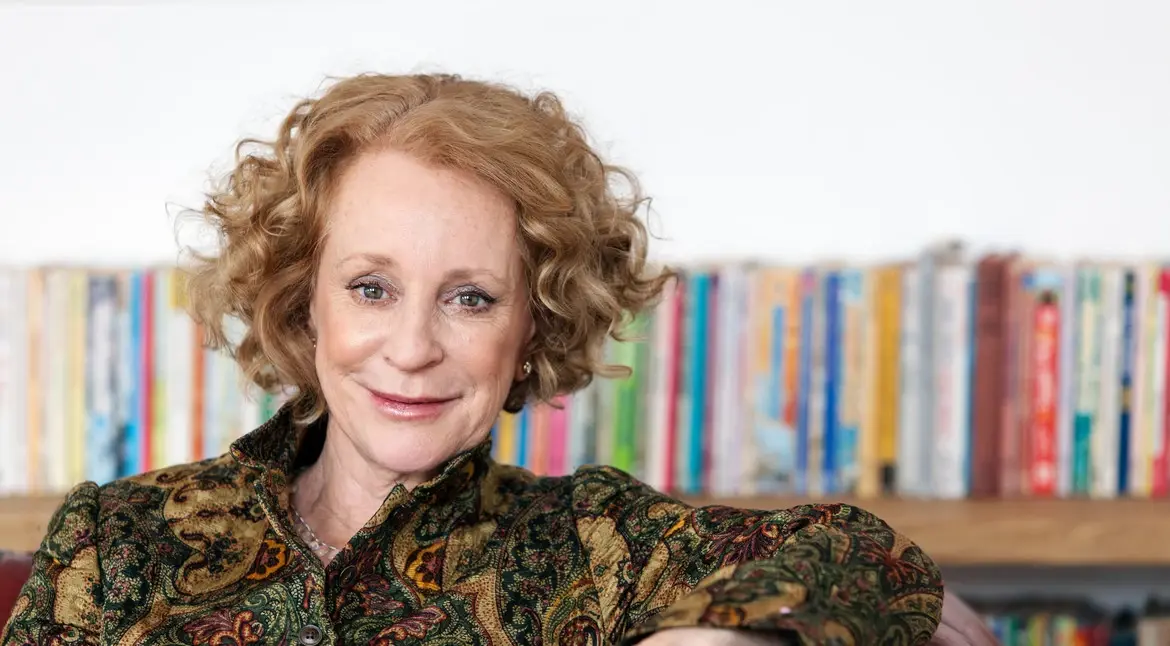

From Tudor queens to the heroines of the Wars of the Roses, Philippa Gregory has brought history’s most fascinating women to life for millions of readers worldwide. With over 40 novels published, multiple bestsellers, and seven major TV adaptations, Gregory has become one of the most recognizable names in historical fiction. Her latest release, The Boleyn Traitor (2024), continues her exploration of the Tudor court, while her non-fiction bestseller, Normal Women (2023), demonstrates her versatility extending beyond fiction.
Whether you discovered Gregory through The Other Boleyn Girl, the BBC’s The White Queen, or Starz’s The Spanish Princess, this guide covers her complete bibliography, reading orders, and everything you need to navigate her extensive body of work.
Disclosure: This article contains affiliate links. We earn from qualifying purchases at no extra cost to you.
About Philippa Gregory
Early Life and Academic Background
Born on January 9, 1954, in Nairobi, Kenya, Philippa Gregory moved to Bristol, England, as a child. She pursued a degree in history at the University of Sussex, earning her BA, before completing a PhD in 18th-century literature at the University of Edinburgh in 1985. This academic foundation would later inform her meticulous approach to historical research, even as critics debated her creative interpretations.
Before becoming a full-time novelist, Gregory worked as a BBC radio presenter and taught at universities. Her academic career provided her with access to primary sources and historical methodologies that would shape her writing, although she would eventually choose commercial success and reader engagement over strict academic rigor.
Breakthrough Success
Gregory’s first novel, Wideacre (1987), launched her writing career, but it was The Other Boleyn Girl (2001) that transformed her into a household name. The novel’s success, combined with two film adaptations (released in 2003 and 2008), established Gregory as the leading voice in Tudor historical fiction. The 2008 film starring Scarlett Johansson and Natalie Portman brought her work to mainstream audiences worldwide.
Since then, Gregory has published steadily, with most of her novels becoming bestsellers. She has sold millions of copies globally, with translations in 40 languages. Her work consistently appears on the New York Times and Sunday Times bestseller lists.
Writing Style and Approach
Gregory’s novels are immediately recognizable by several distinctive features:
Female Perspectives: Every Gregory novel centers on a woman’s experience. She deliberately brings forgotten or marginalized women from history into the spotlight, often choosing to tell familiar stories from unexpected viewpoints. As she describes it, these are the women “history tried to forget.”
Present Tense Narrative: Unlike most historical fiction, Gregory writes in the present tense, creating immediacy and emotional intensity. This stylistic choice makes historical events feel urgent and personal, drawing readers directly into her characters’ experiences.
Romantic Elements: Gregory’s work blends historical fiction with romantic drama. This crossover appeal has made her popular with both historical fiction enthusiasts and romance readers, though it has also drawn criticism from academic historians who dismiss her work as “Mills and Boon.”
First-Person Narration: Most of her novels use first-person perspective, allowing readers to inhabit the minds of queens, noblewomen, and ordinary women caught up in extraordinary historical events.
Recent Work and Recognition
Gregory received a CBE (Commander of the Order of the British Empire) in 2021 for services to literature and charity. She is a Fellow of the Royal Historical Society and has received honorary fellowships from the Universities of Sussex and Cardiff.
Her 2023 non-fiction book Normal Women: 900 Years of Making History became a bestseller, demonstrating her ability to reach audiences beyond fiction. The book challenges traditional historical narratives by foregrounding women’s experiences throughout English history.
The Boleyn Traitor (October 2024) is her latest novel, returning to the Tudor court she has made her signature setting. The book explores the fate of Jane Boleyn, Viscountess Rochford, and has generated significant reader interest, with searches for the title showing breakout trends.
Charitable Work
Beyond writing, Gregory founded Gardens for the Gambia in 1993, a charity that has dug over 200 wells in rural Gambia. Her CBE recognized both her literary contributions and her sustained charitable efforts.
Philippa Gregory Series in Reading Order
The Plantagenet and Tudor Novels (16 Books)
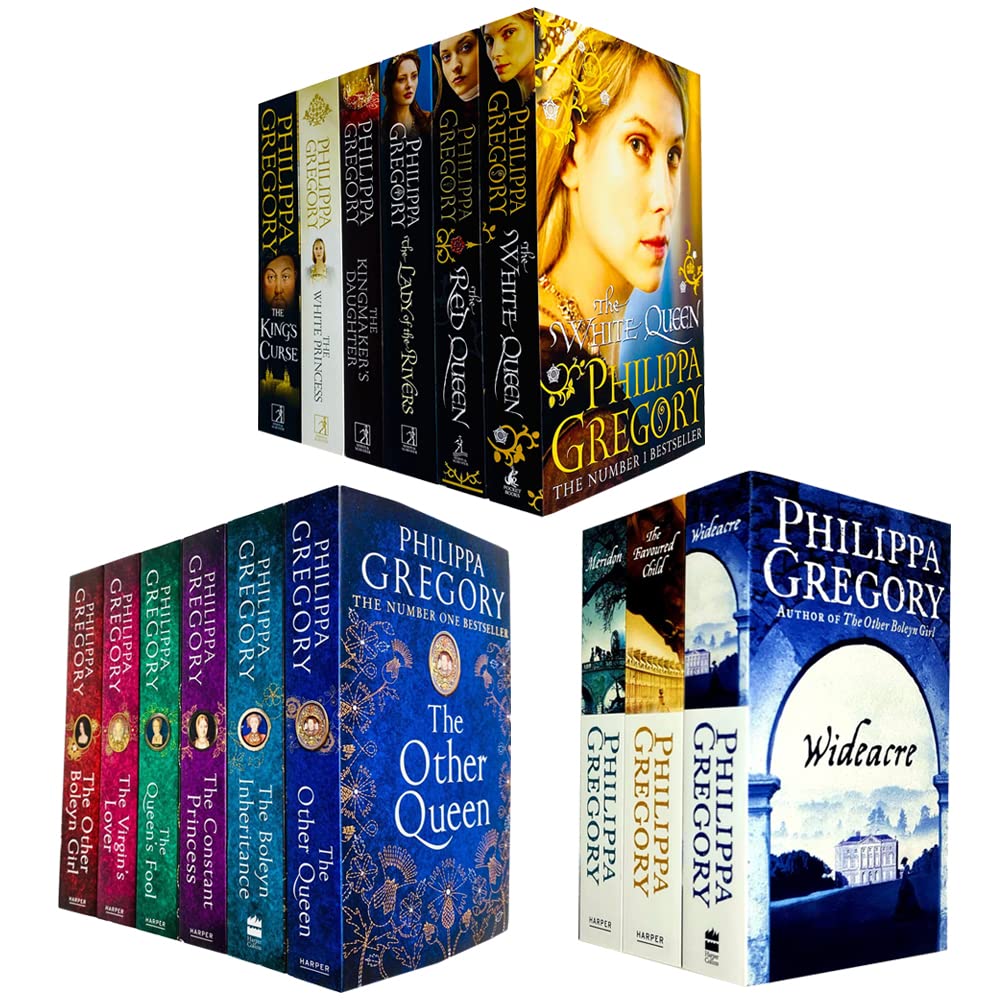
This is Gregory’s signature series, originally published as two separate sequences but now marketed together. These novels cover English royal history from the Wars of the Roses through the Tudor dynasty, focusing on the queens and noblewomen whose stories shaped the era.
The Cousins’ War (Wars of the Roses Novels)
These six novels explore the 15th-century conflict between the houses of York and Lancaster through the eyes of the women who wielded power behind the throne.
Setting: England, 1435-1499
Main Themes: Political intrigue, dynastic struggle, female power
Reading Order:
- The Lady of the Rivers (2011) – Jacquetta of Luxembourg, mother of Elizabeth Woodville, navigates the dangerous waters of royal politics during the Wars of the Roses.
- The White Queen (2009) – Elizabeth Woodville, who secretly marries King Edward IV and becomes queen, fights to protect her family amid civil war.
- The Red Queen (2010) – Margaret Beaufort, mother of Henry VII, pursues her obsessive ambition to see her son crowned king.
- The Kingmaker’s Daughter (2012) – Anne Neville, daughter of Warwick the Kingmaker, becomes queen to Richard III amid betrayal and shifting loyalties.
- The White Princess (2013) – Elizabeth of York must marry Henry VII to unite the warring houses, but struggles with divided loyalties and buried secrets.
- The King’s Curse (2014) – Margaret Pole, last of the Plantagenets, survives the Tudor court under constant threat as a rival claimant.
Tudor Court Novels
The Tudor sequence follows the wives, daughters, and courtiers of the Tudor monarchs, with a particular focus on the reigns of Henry VIII and Elizabeth I.
Setting: England, 1501-1603
Main Themes: Royal marriages, religious upheaval, survival at court
Reading Order:
- The Constant Princess (2005) – Katherine of Aragon fights to become Queen of England, determined to fulfill her Spanish destiny.
- The Other Boleyn Girl (2001) – Mary Boleyn narrates her family’s rise and fall as her sister Anne becomes Henry VIII’s second wife.
- The Boleyn Inheritance (2006) – Three women, Anne of Cleves, Katherine Howard, and Jane Boleyn, navigate the deadly politics of Henry VIII’s later reign.
- The Queen’s Fool (2003) – Hannah Green, a Jewish girl disguised as a boy, serves as a fool to both Mary I and Elizabeth I.
- The Virgin’s Lover (2004) – Amy Dudley, wife of Robert Dudley, stands between her husband and Queen Elizabeth I’s affection.
- The Other Queen (2008) – Bess of Hardwick becomes guardian to the imprisoned Mary, Queen of Scots, with dangerous consequences.
- The Taming of the Queen (2015) – Kateryn Parr, Henry VIII’s sixth wife, must survive marriage to a dangerous king while harboring Protestant sympathies.
- The Last Tudor (2017) – The Grey sisters, Jane, Katherine, and Mary, face the dangers of being royal heirs under Mary I and Elizabeth I.
- The Boleyn Traitor (2024) – Jane Boleyn, Viscountess Rochford, navigates the treacherous Tudor court through three queens’ reigns.
- Three Sisters, Three Queens (2016) – Margaret Tudor, sister of Henry VIII, becomes Queen of Scotland and watches her siblings from the north.
Recommended Reading Order: You can read these Tudor novels in any order, as each focuses on different characters. However, chronological order by historical timeline provides the most cohesive experience. Gregory’s website offers a detailed chronological reading guide.
Can You Read Them Standalone? Yes. Each novel is self-contained, although reading them in chronological order provides greater context about recurring characters and historical events.
The Fairmile Series (3 Books)
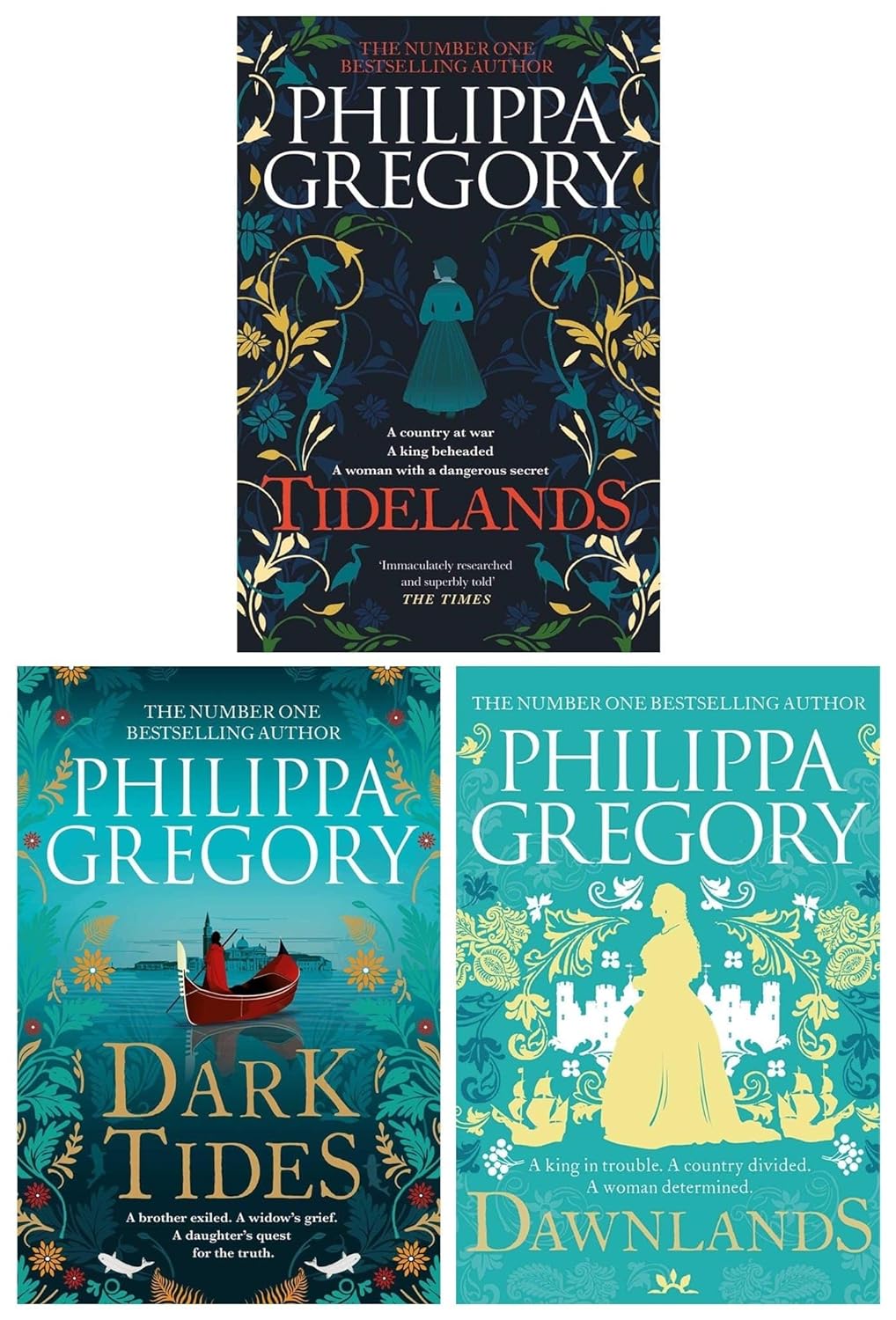
A more recent series set during the English Civil War, exploring the conflict between Royalists and Parliamentarians through the lives of a family living on the tidal edge of England.
Setting: Sussex coast, 1648-1685
Main Character: The Reekie family across three generations
Themes: Civil war, religious conflict, trade, and survival
Reading Order:
- Tidelands (2019) – Alinor Reekie, a midwife and healer, must protect her family as civil war divides England and suspicion of witchcraft threatens her life.
- Dark Tides (2020) – Alinor’s journey continues in Restoration London, where her daughter Alys seeks her fortune amid plague and fire.
- Dawnlands (2022) – The final book follows Alinor’s descendants to colonial New England, exploring themes of freedom, slavery, and settlement.
Must Read in Order? Yes. The Fairmile series tells a continuous family saga across generations and should be read in sequence.
Wideacre Trilogy (3 Books)

Gregory’s debut series, set in 18th-century Sussex, focuses on Beatrice Lacey’s ruthless ambition to control her family estate.
Setting: Sussex, 18th century
Main Theme: Land ownership, female ambition, Gothic elements
Content Warning: These novels contain mature themes, including manipulation and family violence
Reading Order:
- Wideacre (1987) – Beatrice Lacey will do anything to possess her beloved estate, including dark deeds that destroy her family.
- The Favoured Child (1989) – The next generation struggles with the consequences of Beatrice’s actions.
- Meridon (1990) – The trilogy concludes with themes of identity and inheritance.
Must Read in Order? Yes. The trilogy follows a continuous narrative across three generations.
Order of Darkness Series (4 Books – Young Adult)
Set in 15th-century Italy, this YA series follows a young investigator who uncovers claims of witchcraft and supernatural phenomena during the Renaissance.
Setting: Italy and Europe, 1453-1456
Main Character: Luca Vero, a young inquirer
Audience: Young adult readers (ages 12+)
Reading Order:
- Changeling (2012)
- Stormbringers (2013)
- Fools’ Gold (2014)
- Dark Tracks (2015)
Must Read in Order? Yes. The series follows Luca’s journey in chronological order.
Tradescant Series (2 Books)
Following the famous royal gardeners John Tradescant and his son across the 17th century, exploring botanical discovery and political upheaval.
Setting: England and Virginia, 1600s
Historical Context: English Civil War, colonial America
Reading Order:
- Earthly Joys (1998) – John Tradescant serves the Duke of Buckingham and creates magnificent gardens.
- Virgin Earth (1999) – John Tradescant the Younger travels to Virginia and witnesses both paradise and the beginning of slavery.
Standalone Historical Novels
Gregory has written several standalone historical novels outside her major series:
- A Respectable Trade (1992) – Set in 1788 Bristol, exploring the slave trade through the marriage of a sugar merchant and an impoverished gentlewoman. Adapted by the BBC in 1998.
- The Wise Woman (1992) – A healer in the Yorkshire Dales faces accusations of witchcraft in the 17th century.
- Fallen Skies (1993) – Post-WWI England and the social upheaval of the 1920s.
- Zelda’s Cut (2000) – A 1920s story exploring class, sexuality, and social change.
Contemporary Novels (Early Career)
Gregory wrote several contemporary novels before focusing on historical fiction:
- Mrs. Hartley and the Growth Centre (1992)
- Perfectly Correct (1994)
- The Little House (1997)
- Alice Hartley’s Happiness (1994)
These are now out of print but occasionally available secondhand.
Non-Fiction
Normal Women: 900 Years of Making History (2023) – Gregory’s bestselling non-fiction work challenges traditional historical narratives by centering women’s experiences throughout English history. Drawing on her decades of research, she argues for recognizing ordinary women as historical actors rather than passive observers.
The Women of the Cousins’ War (2011) – Co-written with historians David Baldwin and Michael Jones, this book provides historical context for the women in The Cousins’ War series.
Children’s Books
Princess Florizella Series (4 books) – Feminist fairy tales featuring a princess who rescues herself. Written for younger readers.
Where to Start with Philippa Gregory
Best First Book
Recommendation: The Other Boleyn Girl
This is Gregory’s most famous work and the perfect introduction to her style. The novel tells the story of Mary Boleyn, sister to the more famous Anne Boleyn, who becomes mistress to Henry VIII before her sister supplants her. It showcases all of Gregory’s strengths: compelling female characters, intimate court politics, romantic drama, and meticulous period detail.
The book is accessible to readers new to Tudor history while providing enough depth to satisfy those familiar with the period. With two film adaptations, many readers are already familiar with the basic story, making it an easy entry point.
If You Want…
Tudor Court Drama: Start with The Other Boleyn Girl or The Queen’s Fool for multiple perspectives on Henry VIII’s reign.
Wars of the Roses: Begin with The White Queen, the first published in the Cousins’ War series and the basis for the BBC/Starz adaptation.
Non-Tudor History: Try Tidelands for the English Civil War or A Respectable Trade for 18th-century Bristol and the slave trade.
Strong Female Protagonist Fighting Against Constraints: The Constant Princess (Katherine of Aragon) or The Taming of the Queen (Kateryn Parr).
Non-Fiction: Normal Women provides Gregory’s historical perspective without fictional characters.
Her Most Acclaimed Work: The Other Boleyn Girl won the Romantic Novel of the Year award and remains her bestselling title.
Do You Need to Read Philippa Gregory Books in Order?
The Plantagenet and Tudor Novels
Short Answer: No, but chronological order enhances the experience.
Each Tudor novel focuses on different characters and can be read independently. However, reading in chronological order provides several advantages:
- Character Connections: Minor characters in one book may be protagonists in another. Reading chronologically helps you track these connections.
- Historical Context: Events build upon one another, and chronological reading provides a deeper understanding of cause and effect.
- Thematic Continuity: Gregory explores recurring themes about female power, survival, and ambition that develop more fully when read in sequence.
Gregory’s official website provides a detailed chronological reading order for the Plantagenet and Tudor novels, which differs from publication order.
The Fairmile Series
Must Read in Order: Yes. This trilogy follows the Reekie family across three generations chronologically. Start with Tidelands.
Wideacre Trilogy
Must Read in Order: Yes. The three books tell a continuous multigenerational story.
Order of Darkness
Must Read in Order: Yes. The YA series follows the protagonist’s journey sequentially.
TV and Film Adaptations
Gregory’s work has been extensively adapted, bringing her novels to millions of viewers worldwide.
The Other Boleyn Girl
2003 BBC Television Film
- Starring: Jodhi May (Mary Boleyn), Natascha McElhone (Anne Boleyn)
- A faithful adaptation that pleased many fans of the novel
2008 Theatrical Film
- Starring: Scarlett Johansson (Mary Boleyn), Natalie Portman (Anne Boleyn), Eric Bana (Henry VIII)
- Director: Justin Chadwick
- A major Hollywood production that introduced Gregory’s work to mainstream audiences
- While criticized for historical liberties beyond even the novel’s interpretation, the film’s commercial success significantly boosted book sales
The White Queen (2013)
BBC One/Starz Limited Series – 10 episodes
- Based on: The White Queen, The Red Queen, and The Kingmaker’s Daughter
- Starring: Rebecca Ferguson (Elizabeth Woodville), Faye Marsay (Anne Neville), Amanda Hale (Margaret Beaufort)
- The series interweaves the stories of three women from the Cousins’ War novels, showing the Wars of the Roses from multiple female perspectives
- Critical and commercial success led to additional adaptations
The White Princess (2017)
Starz Limited Series – 8 episodes
- Based on: The White Princess
- Starring: Jodie Comer (Elizabeth of York), Jacob Collins-Levy (Henry VII)
- Follows Elizabeth of York’s marriage to Henry VII and the early Tudor dynasty
- Jodie Comer’s performance received praise and helped launch her career before Killing Eve
The Spanish Princess (2019-2020)
Starz Series – 2 seasons, 16 episodes total
- Based on: The Constant Princess and The King’s Curse
- Starring: Charlotte Hope (Catherine of Aragon), Stephanie Levi-John (Lina), Laura Carmichael (Margaret Pole)
- Explores Catherine of Aragon’s journey from Spanish princess to Queen of England
- Notable for diverse casting and focus on Catherine’s perspective
- Season 2 follows Catherine’s later years and Margaret Pole’s story
A Respectable Trade (1998)
BBC Drama – 4 episodes
- Adapted from Gregory’s 1992 novel
- Gregory wrote the screenplay adaptation herself
- Earned her a BAFTA nomination for Best Screenplay
- Explores the slave trade in 18th-century Bristol
Impact of Adaptations
These adaptations have dramatically expanded Gregory’s audience. The success of The White Queen established a template for subsequent adaptations and demonstrated sustained viewer interest in Gregory’s approach to historical drama. The casting of emerging actresses like Rebecca Ferguson, Jodie Comer, and Charlotte Hope in leading roles has created lasting associations between these stars and Gregory’s novels.
Awards and Recognition
Major Awards
- Romantic Novel of the Year (2002) – The Other Boleyn Girl
- Outstanding Contribution to Historical Fiction Award (2016) – Historical Writers’ Association
- Honorary Platinum Award (2018) – Nielsen BookScan for lifetime sales achievement
- CBE (2021) – Commander of the Order of the British Empire for services to literature and charity
Academic Recognition
- Fellow of the Royal Historical Society
- Fellow of the University of Sussex
- Fellow of Cardiff University
- Honorary Research Fellow at Birkbeck, University of London
- Alumna of the Year (2009) – University of Edinburgh
Commercial Success
Gregory’s novels have sold millions of copies worldwide and been translated into 40 languages. Multiple titles have topped bestseller lists in the UK and the US. AudioFile magazine has called her “the queen of British historical fiction.”
The Historical Accuracy Debate
No discussion of Philippa Gregory would be complete without addressing the ongoing debate about her historical accuracy.
The Criticism
Academic historians have frequently criticized Gregory’s work for taking liberties with historical facts. Historian David Starkey famously dismissed her work as “good Mills and Boon,” while academic Susan Bordo has written extensively about what she views as Gregory’s misrepresentation of Anne Boleyn.
Specific criticisms include:
- Invented Motivations: Creating romantic or personal motivations for historical actions without documentary evidence
- Character Assassination: Particularly regarding Anne Boleyn, whom Gregory portrays unsympathetically
- Dramatic License: Compressing timelines, inventing scenes, and creating dialogue with no historical basis
- Selective Research: Choosing interpretations that serve dramatic purposes over scholarly consensus
Gregory’s Defense
Gregory has consistently defended her approach, describing herself as a “teller of historical tales” rather than a historian. Her arguments include:
Fiction, Not Biography: Gregory argues that historical fiction is inherently imaginative and should not be judged by the same standards as academic history.
Gateway Drug: She has described her work as a “gateway drug” to history, arguing that her novels serve as a catalyst for readers to learn more about historical periods and figures. Her books often include extensive author’s notes distinguishing fact from fiction.
Feminist Revision: Gregory argues that traditional historical narratives often marginalize women, and her work deliberately centers on female experiences, even when documentary evidence is sparse.
Popular Appeal: The commercial success of her books demonstrates that readers appreciate her approach, even if academics do not.
The Reader’s Perspective
For most readers, Gregory’s historical accuracy matters less than her ability to create compelling characters and engaging stories. Many readers appreciate the author’s notes she includes, which clarify where she has diverged from documented history.
The debate ultimately centers on different goals: historians seek an accurate representation of the past, while Gregory prioritizes emotional truth and narrative engagement. Readers can enjoy her work while maintaining awareness that her interpretations should not be taken as historical fact.
Similar Authors You’ll Enjoy
If you enjoy Philippa Gregory’s blend of historical detail, female-centered narratives, and romantic drama, consider these authors:
Alison Weir
A historical biographer-turned-novelist who writes about the same Tudor period with greater historical rigor. Try her Six Tudor Queens series for alternative perspectives on Henry VIII’s wives.
C.J. Sansom
Tudor mystery novels featuring lawyer Matthew Shardlake offer a darker, grittier view of the period. Less romantic but equally immersive in historical detail.
Hilary Mantel
The literary alternative to Gregory’s commercial approach. Wolf Hall trilogy presents Thomas Cromwell’s perspective on the Tudor court with literary prose and complex characterization. Winner of two Booker Prizes.
Jean Plaidy
The original queen of Tudor fiction, writing under the pen name of Eleanor Hibbert. Published dozens of historical novels from the 1940s to the 1990s covering various periods of English and European history.
Susan Holloway Scott
Focuses on overlooked royal mistresses and less famous women of history. A similar emphasis on female perspectives, with slightly less dramatic license.
Elizabeth Chadwick
Specialist in medieval historical fiction, focusing on the 12th-13th centuries. Strong female characters and meticulous research combined with engaging storytelling.
Frequently Asked Questions
How many books has Philippa Gregory written?
Philippa Gregory has published over 40 books, including novels, non-fiction, and children’s books. Her historical fiction catalog includes 16 Plantagenet and Tudor novels, 3 Fairmile series books, the Wideacre trilogy, 4 YA Order of Darkness books, and several standalone historical novels.
What is Philippa Gregory’s best book?
The Other Boleyn Girl is Gregory’s most famous and bestselling work. It won the Romantic Novel of the Year award and has been adapted into two films. However, “best” is a subjective term. Fans of the Wars of the Roses often prefer The White Queen, while those interested in less familiar periods recommend Tidelands or A Respectable Trade.
In what order should I read Philippa Gregory’s Tudor books?
You can read them in any order, since each focuses on different characters; however, reading them in chronological order by historical timeline provides the richest experience. Start with The Constant Princess (Katherine of Aragon) and follow through to The Last Tudor (the Grey sisters). Gregory’s official website provides a detailed chronological reading guide.
Is Philippa Gregory historically accurate?
Gregory takes significant creative liberties with history, inventing dialogue, motivations, and sometimes events with no documentary basis. She describes herself as writing historical tales rather than historical facts. Academic historians have criticized her interpretations, particularly of Anne Boleyn. However, Gregory includes the author’s notes distinguishing fact from fiction, and many readers appreciate her ability to bring historical periods to life, even if not perfectly accurate.
How old is Philippa Gregory?
Philippa Gregory was born on January 9, 1954, making her 70 years old as of 2024. She continues to write and publish regularly.
Who is Philippa Gregory?
Philippa Gregory is a British historical novelist with a PhD in 18th-century literature from the University of Edinburgh. She’s best known for her Tudor court novels, particularly The Other Boleyn Girl, and has sold millions of copies worldwide. Her work has been adapted into multiple TV series and films.
When is Philippa Gregory’s next book?
The Boleyn Traitor, published in October 2024, is Gregory’s most recent novel. She has not announced her next book as of late 2024, though she continues to write. Follow her official website or social media for announcements.
Which Philippa Gregory book should I read first?
Start with The Other Boleyn Girl for the full Gregory experience, combining Tudor intrigue, romantic drama, and accessible historical storytelling. If you prefer the Wars of the Roses period, begin with The White Queen.
Has Philippa Gregory’s work been adapted for TV?
Yes, extensively. Major adaptations include The Other Boleyn Girl (two films), The White Queen (BBC/Starz series), The White Princess (Starz series), The Spanish Princess (Starz series), and A Respectable Trade (BBC). These adaptations have reached millions of viewers worldwide.
What time periods does Philippa Gregory write about?
Gregory is best known for Tudor England (1485-1603), but she also writes about the Wars of the Roses (1455-1487), the English Civil War (1640s-1680s), 18th-century England, and various other periods. Her 2023 nonfiction book, Normal Women, covers 900 years of English history.
Are Philippa Gregory’s books appropriate for young adults?
Her adult historical fiction contains mature themes, including sexuality, violence, and adult relationships. The Order of Darkness series is specifically written for young adults (ages 12 and up). Parents should preview adult titles before recommending them to teen readers.
Do Philippa Gregory’s books connect to each other?
Within the Plantagenet and Tudor sequence, yes. Characters from one book often appear in others, and events build upon each other. The Fairmile trilogy and the Wideacre trilogy are also interconnected. Her standalone novels and other series are separate.
Who writes like Philippa Gregory?
Authors with similar female-focused historical fiction include Alison Weir, Jean Plaidy, Susan Holloway Scott, and Elizabeth Chadwick. For literary approaches to similar periods, try Hilary Mantel’s Tudor novels.
What are Philippa Gregory’s most popular series?
The Plantagenet and Tudor Novels (16 books) are her most popular and include The Other Boleyn Girl, The White Queen, and The Spanish Princess. These have generated the most TV adaptations and sustained reader interest.
Is Normal Women fiction or non-fiction?
Normal Women: 900 Years of Making History (2023) is non-fiction. It’s Gregory’s first major non-fiction work about women’s history, drawing on her decades of research into overlooked female historical figures.
Conclusion
Philippa Gregory has spent nearly four decades bringing history’s overlooked women to vivid life. From her academic beginnings to becoming one of the world’s bestselling historical fiction authors, she has created a body of work that has introduced millions of readers to the fascinating complexity of the past.
Whether you’re drawn to the deadly politics of the Tudor court, the dynastic struggles of the Wars of the Roses, or the religious turmoil of the English Civil War, Gregory offers compelling entry points to these periods. Her focus on female perspectives has filled a genuine gap in historical fiction, bringing queens, noblewomen, and ordinary women out of the margins and into the center of the story.
The debate about historical accuracy will likely continue, but Gregory’s impact is undeniable. Her novels have inspired countless readers to delve deeper into history, her TV adaptations have reached global audiences, and her commercial success has demonstrated a sustained appetite for women-centered historical narratives.
With over 40 books published and more potentially to come, there has never been a better time to explore Gregory’s work. Whether you’re reading about Anne Boleyn’s rise and fall, Elizabeth Woodville’s secret marriage, or an ordinary woman surviving the English Civil War, you’ll find Gregory’s signature blend of intimate character development, meticulous period detail, and page-turning drama.
Ready to start your Philippa Gregory reading journey? Begin with The Other Boleyn Girl for her most famous work, The White Queen for the Wars of the Roses drama, or Normal People for her historical perspective, which is told through fictional characters.
Related Content
- Hilary Mantel – Complete Guide to Books & Series
- Best Historical Fiction of All Time
- Best Female Lead Historical Fiction
- More Historical Fiction Authors