


Historical fiction has long been criticized for centering male experiences, particularly in military and political narratives where women were historically excluded from formal power. Yet throughout history, women have been warriors, rulers, spies, healers, artists, and revolutionaries. They’ve shaped events, survived impossible circumstances, and left marks on history that deserve recognition and exploration.
The best historical fiction with female leads doesn’t just insert modern feminist sensibilities into the past. Instead, it explores how women navigated, resisted, and sometimes wielded power within the constraints of their eras. These books portray women as complex individuals making difficult choices, rather than as passive victims or anachronistic superheroes. They’re stories of intelligence, courage, resilience, and the many forms strength can take.
This list spans time periods from ancient Egypt to World War II, featuring queens and commoners, warriors and scholars, rebels and survivors. Some protagonists change history through grand gestures, while others do so through quiet persistence. All of them are unforgettable.
Disclosure: This article contains affiliate links. We earn from qualifying purchases at no extra cost to you.What Makes a Great Female Protagonist in Historical Fiction?
Before diving into our recommendations, let’s consider what distinguishes memorable female protagonists in historical fiction:
Historical Authenticity with Agency: The best characters feel like products of their time while still possessing genuine agency. They work within historical constraints rather than magically transcending them, making their achievements more impressive.
Complex Motivations: Strong female leads aren’t motivated solely by romance or family (though these can be factors). They have political ambitions, intellectual curiosity, survival instincts, professional goals, or moral convictions that drive their decisions.
Realistic Obstacles: These characters face the genuine limitations women encountered in their eras, whether legal restrictions, social expectations, or physical dangers. How they navigate these obstacles reveals their strength.
Emotional Depth: Being “strong” doesn’t mean being emotionally invulnerable. The most compelling protagonists experience a range of emotions, including fear, doubt, grief, and joy. Their emotional authenticity makes them relatable across centuries.
Impact on Their World: Whether through large-scale historical events or intimate personal victories, these characters leave their mark. We see how their choices ripple outward, affecting others and sometimes shaping the course of history.
Now, let’s meet eighteen remarkable women whose stories span millennia.
Ancient World
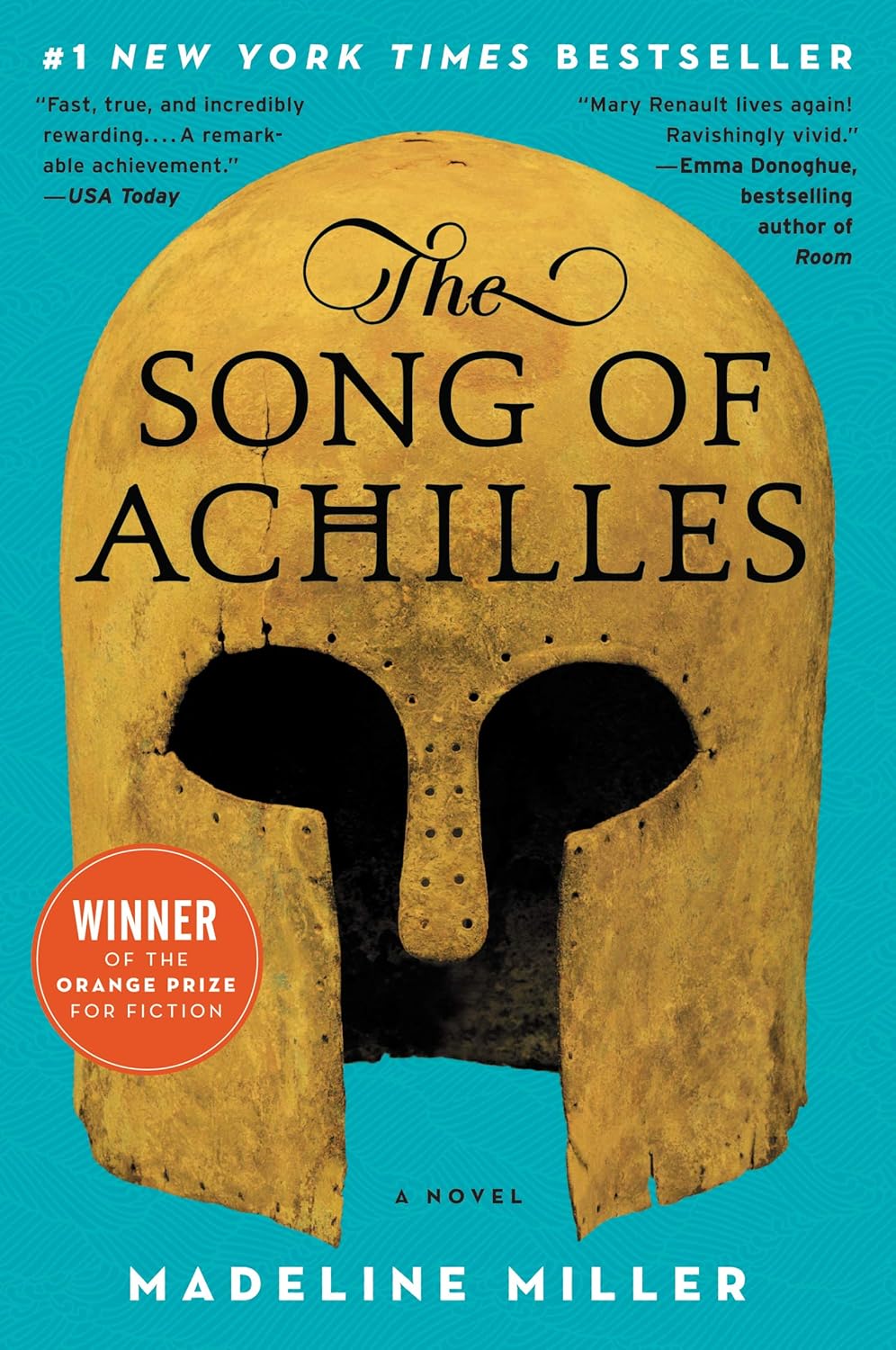
The Song of Achilles by Madeline Miller
Time Period: Ancient Greece (Trojan War mythology)
Protagonist: Patroclus (with significant focus on Briseis and Thetis)
While this is a mythological retelling rather than historical fiction, Miller brings complex female characters to life within the male-dominated narrative of the Trojan War. Briseis, the captive who becomes a prize of war, is given dignity, intelligence, and her own form of resistance within impossible circumstances. Thetis, Achilles’s immortal mother, is portrayed as a complex figure whose fierce maternal love drives much of the story’s tragedy.
Miller’s prose is gorgeous, her understanding of Greek mythology is deep, and her ability to make ancient stories feel intimate and human is extraordinary. This book won the Orange Prize for Fiction and introduced many readers to thoughtful literary retellings of classical mythology.
Why Read It: Literary excellence, fresh perspective on familiar mythology, complex female characters within a male-dominated narrative, beautiful prose, and bridges mythology and character-driven fiction.
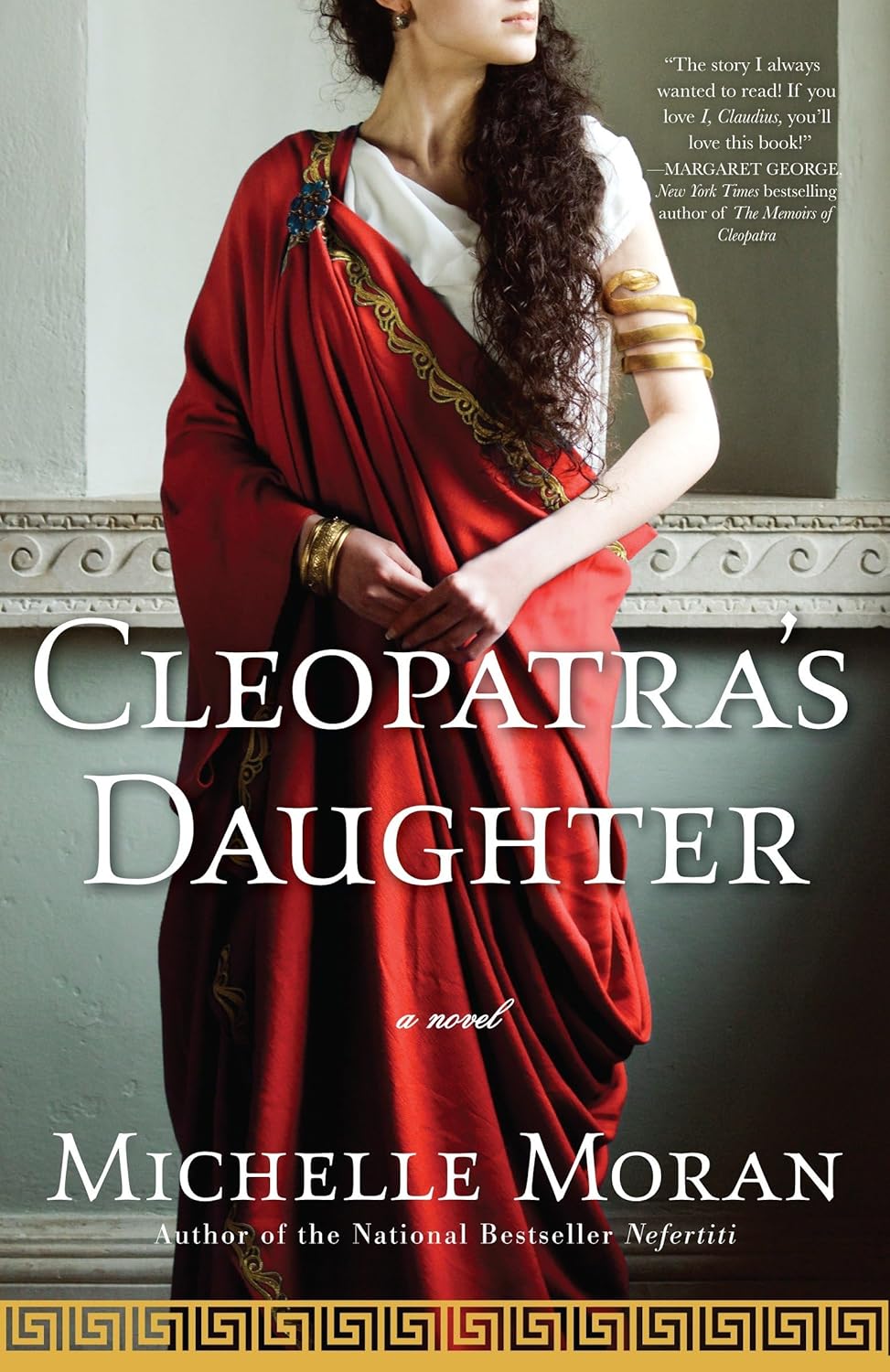
Cleopatra’s Daughter by Michelle Moran
Time Period: Ancient Rome (1st century BC/AD)
Protagonist: Cleopatra Selene, daughter of Cleopatra VII
After watching her mother’s suicide and her father Marc Antony’s defeat, Cleopatra Selene is taken to Rome as a captive alongside her twin brother. Moran follows her transformation from Egyptian princess to Roman pawn to queen in her own right, as she marries Juba II of Numidia, who jointly ruled Mauretania with her.
What makes Selene compelling is her resilience. She must navigate the treacherous Roman court, preserve her Egyptian identity in a hostile environment, and ultimately forge a new life in North Africa. Moran portrays her as intelligent and adaptable, using the limited tools available to a woman in her position while mourning the Egypt she lost.
The novel brings to life a historical figure often overshadowed by her famous mother, showing how Cleopatra’s children survived and even thrived after their parents’ dramatic end.
Why Read It: Overlooked historical figure, ancient Roman and Egyptian culture, survival and adaptation, mother-daughter legacy.
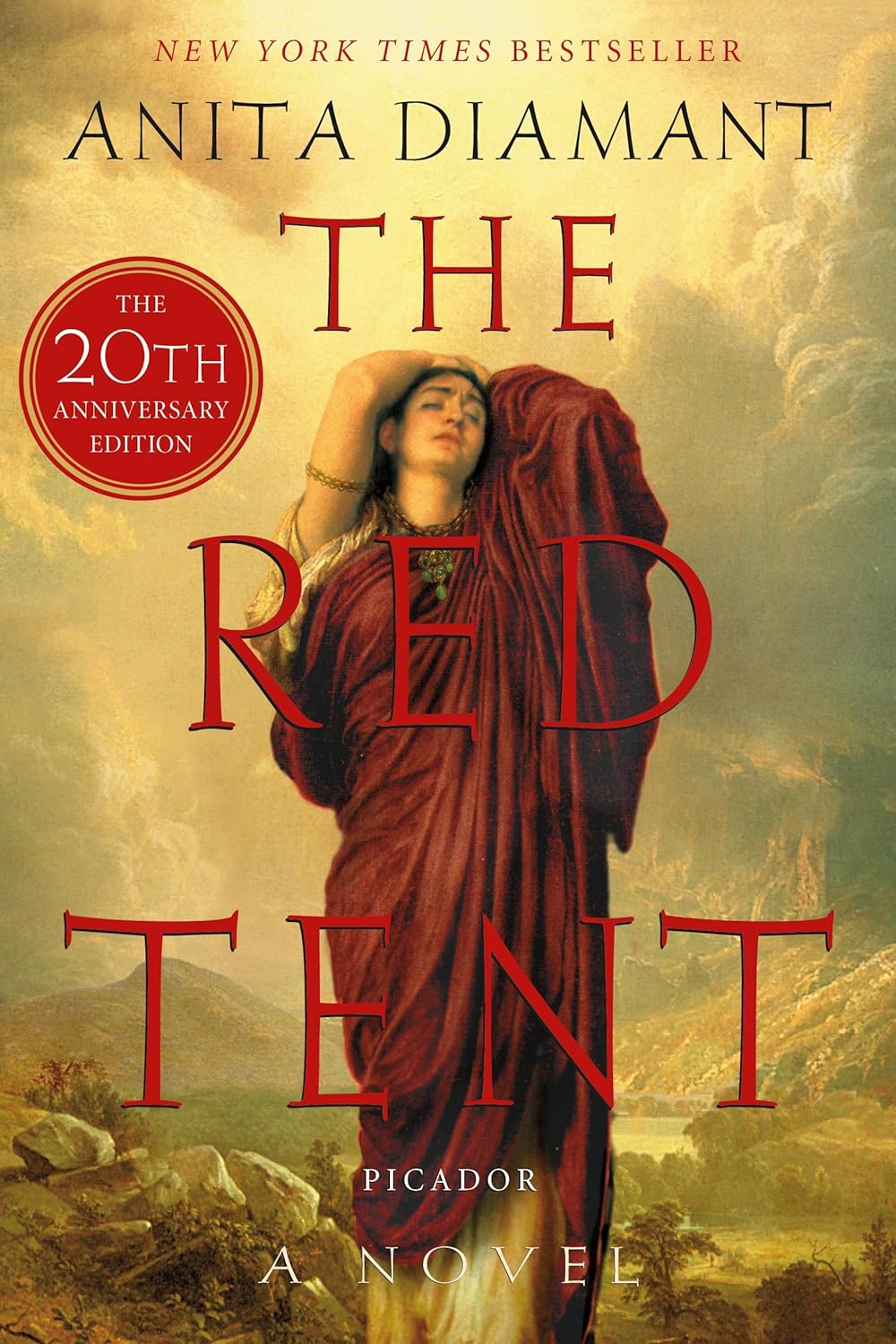
The Red Tent by Anita Diamant
Time Period: Biblical Era (approx. 1800 BC)
Protagonist: Dinah, daughter of Jacob and Leah
Diamant takes a minor biblical character mentioned in only a few verses and creates a rich, woman-centered narrative. Dinah tells her own story, from her childhood in the red tent (where women gathered during menstruation and childbirth) through her controversial relationship with Prince Shechem and beyond.
The novel is less concerned with biblical accuracy than with imagining the lives of women in the ancient Middle East. The red tent becomes a sacred space for women to share stories, wisdom, and support. Dinah’s journey takes her from Canaan to Egypt, from a loved daughter to an exile, to a respected midwife, showing how women created meaningful lives despite being treated as property.
This book resonated with millions of readers for its celebration of female community, its frank discussion of women’s bodies and experiences, and its refusal to accept the biblical narrative’s dismissal of Dinah’s perspective.
Why Read It: Biblical reimagining, women’s community and wisdom, ancient Middle Eastern culture, midwifery and healing, feminist retelling.
Medieval Period
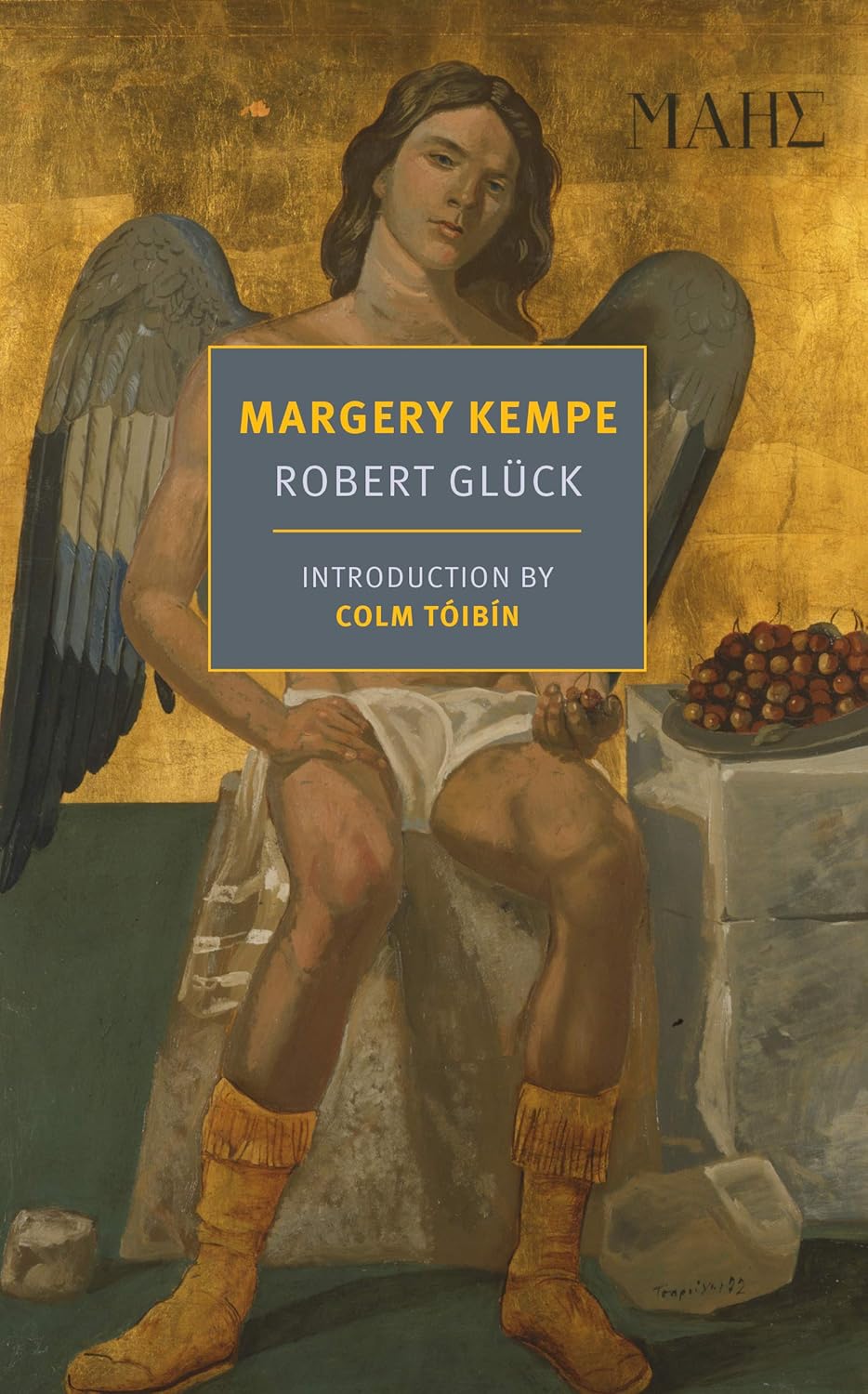
The Book of Margery Kempe by Robert Glück (or the original medieval text)
Time Period: Medieval England (early 15th century)
Protagonist: Margery Kempe
The original “Book of Margery Kempe” is the earliest known autobiography in English, dictated by a woman (Margery dictated it to male scribes). Contemporary readers might prefer Robert Glück’s postmodern novel “Margery Kempe” (2020), which offers a loosely inspired contemporary take, or one of several other modern retellings. Margery Kempe was a medieval mystic, mother of fourteen children, and a pilgrim who traveled to Jerusalem, Rome, and Santiago de Compostela in an era when such journeys were extraordinary for women.
Margery is not always likable; she’s dramatic, weeps loudly in public, claims direct communication with God, and challenges both religious and secular authorities. But she’s undeniably fascinating, a medieval woman who insisted on living according to her own spiritual convictions despite constant criticism. Her negotiation of religious authority, marriage, and female autonomy makes her a complex and memorable protagonist.
Why Read It: Medieval female mystic, religious pilgrimage, challenging protagonist, women’s religious authority, based on a historical figure.
The Mists of Avalon by Marion Zimmer Bradley
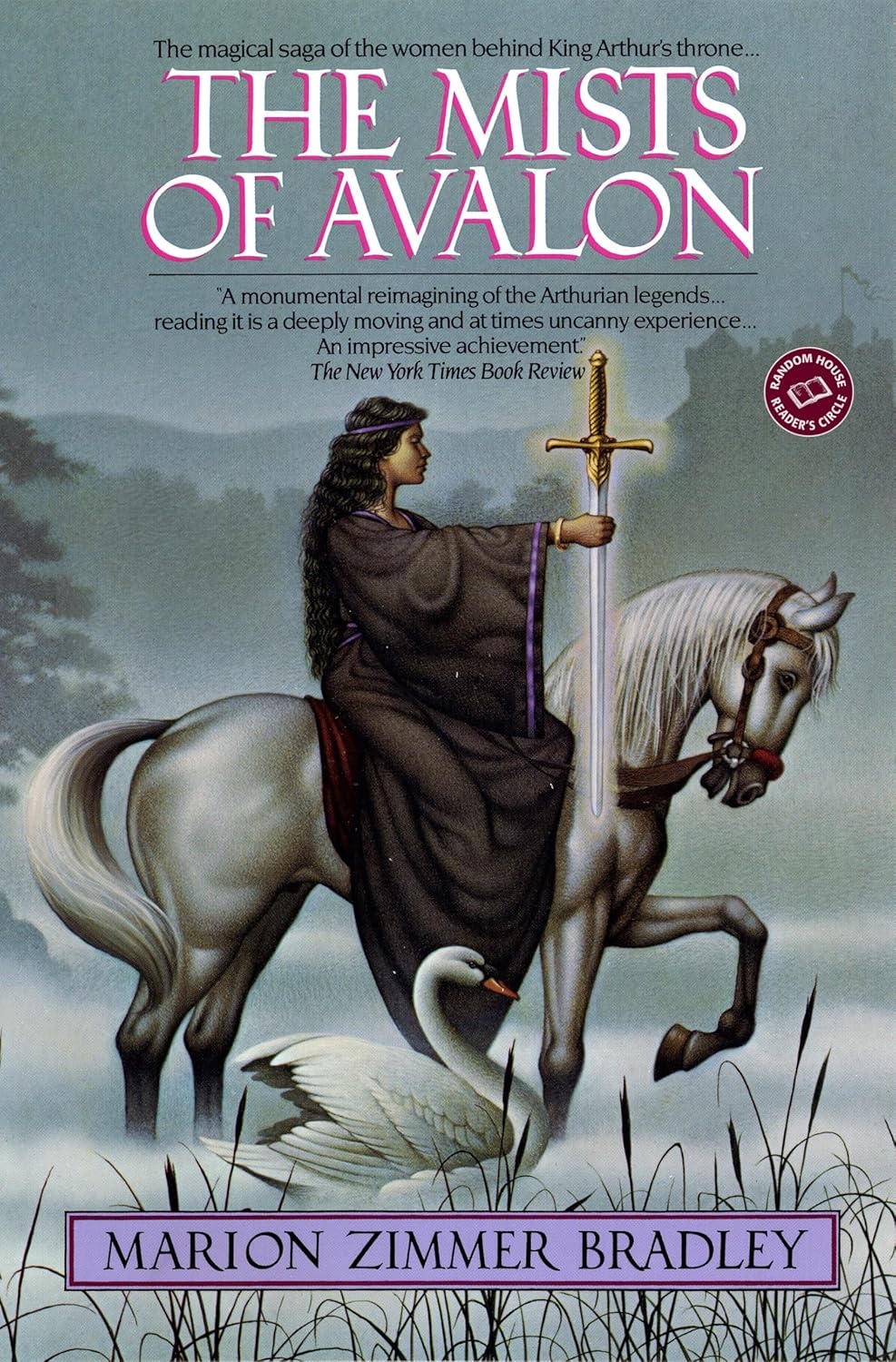
Time Period: 5th-6th Century Britain (Arthurian Legend)
Protagonist: Morgaine (Morgan le Fay)
Bradley’s feminist retelling of the Arthurian legend centers on the women of Avalon, particularly Morgaine (Morgan le Fay), who is traditionally portrayed as a villain. Here, Morgaine is a priestess of the old pagan religion struggling against the rise of Christianity and patriarchal power structures. She’s Arthur’s half-sister, mentor, and ultimately his adversary, driven by her commitment to the Goddess and the old ways.
The novel reimagines Arthurian legend as a religious conflict between the ancient matriarchal Celtic traditions and the new Christian order. Morgaine, Gwenhwyfar (Guinevere), Viviane, and Morgause are all given complex motivations and agency. The story explores women’s power, sexuality, and spirituality in ways that challenge the traditional male-centered versions of these legends.
Note: Bradley’s legacy is complicated by revelations about her personal life that came to light after her death. Many readers struggle with separating the art from the artist. This context is worth considering before reading.
Why Read It: A feminist Arthurian retelling, featuring a pagan vs. Christian conflict, Morgan le Fay as the protagonist, and an exploration of women’s spirituality and power, this influential work is notable despite the author’s problematic legacy.
The Plague Tales by Ann Benson
Time Period: Medieval England (14th-century Black Death) and modern parallel narrative
Protagonist: Alejandro Canches (historical) and Janie Crowe (modern), both physicians
This novel interweaves two narratives: a Jewish physician’s flight from persecution in 14th-century France during the Black Death, and a modern female physician’s investigation of a disease outbreak. While technically featuring a male protagonist in the historical strand, Alejandro’s daughter and the women around him play crucial roles, and the modern narrative centers on Dr. Janie Crowe.
The medieval portions vividly depict the Black Death’s devastation and the persecution of Jewish communities blamed for the plague. The parallel structure enables Benson to examine how medical knowledge, particularly women’s healing traditions, has been both preserved and lost across the centuries.
Why Read It: Black Death historical fiction, medical history, dual timeline, women in medicine, Jewish persecution in medieval Europe.
Tudor and Stuart England
Wolf Hall by Hilary Mantel
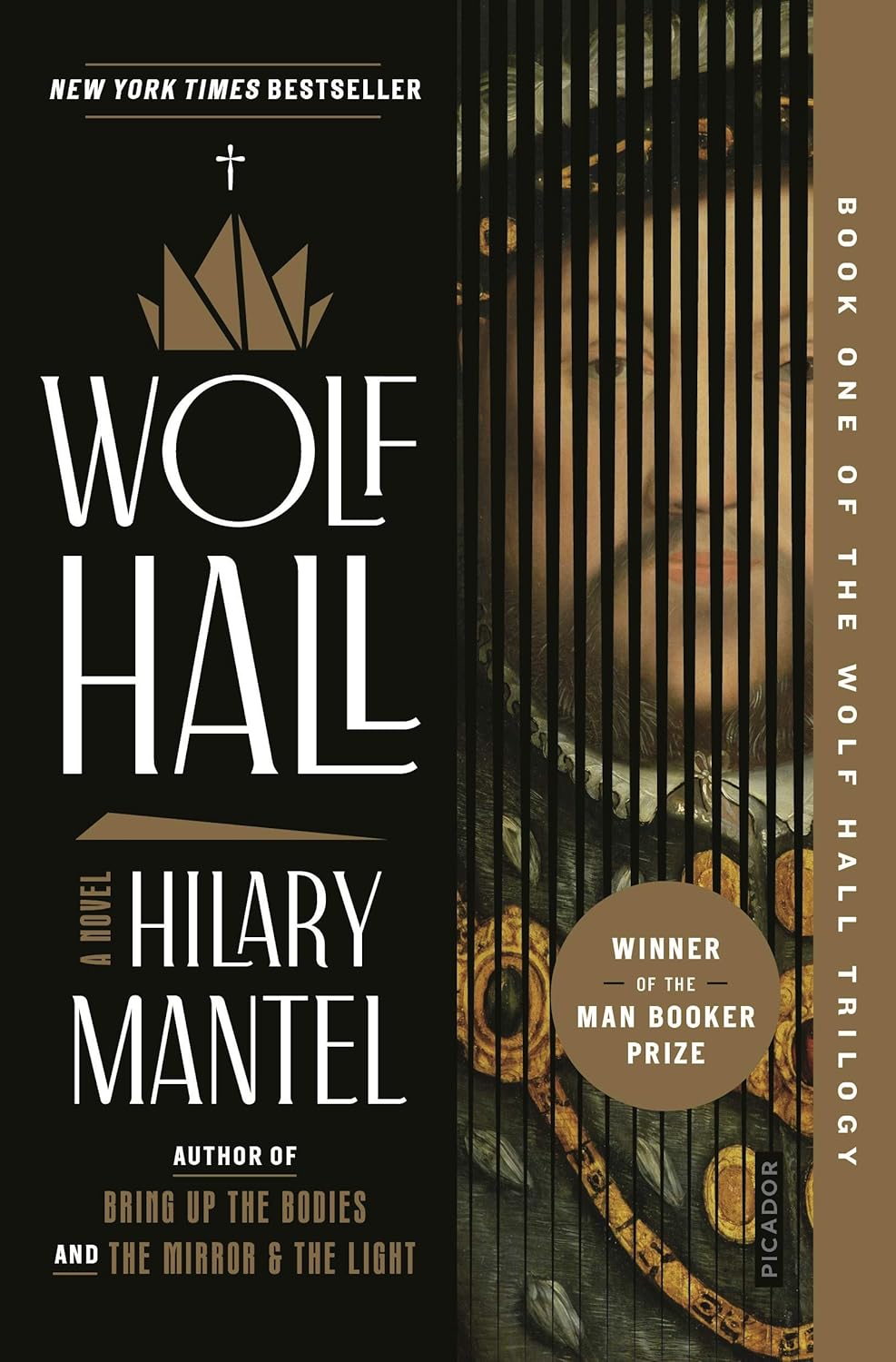
Time Period: Tudor England (1500-1535)
Protagonist: Thomas Cromwell (with significant focus on Anne Boleyn and other women)
While Thomas Cromwell is the protagonist of Mantel’s masterpiece, the trilogy gives unprecedented depth to the women of Henry VIII’s court. Anne Boleyn is neither saint nor monster but a brilliant, ambitious woman navigating impossible circumstances. Katherine of Aragon is a dignified and principled woman. Jane Seymour is observant and strategic. Even minor female characters, such as Cromwell’s wife, Liz, and daughter-in-law, Jo, are rendered with care and complexity.
Mantel’s genius lies in showing how women wielded influence and power in a patriarchal system, utilizing the tools available to them: intelligence, alliance-building, religious conviction, and sexuality. The women of Wolf Hall are not victims; they’re players in a high-stakes political game, and Mantel gives them the respect and complexity they deserve.
Why Read It: Literary masterpiece, complex female characters within a male-dominated narrative, Tudor court politics, won two Booker Prizes, nuanced portrayal of Anne Boleyn.
The Other Boleyn Girl by Philippa Gregory
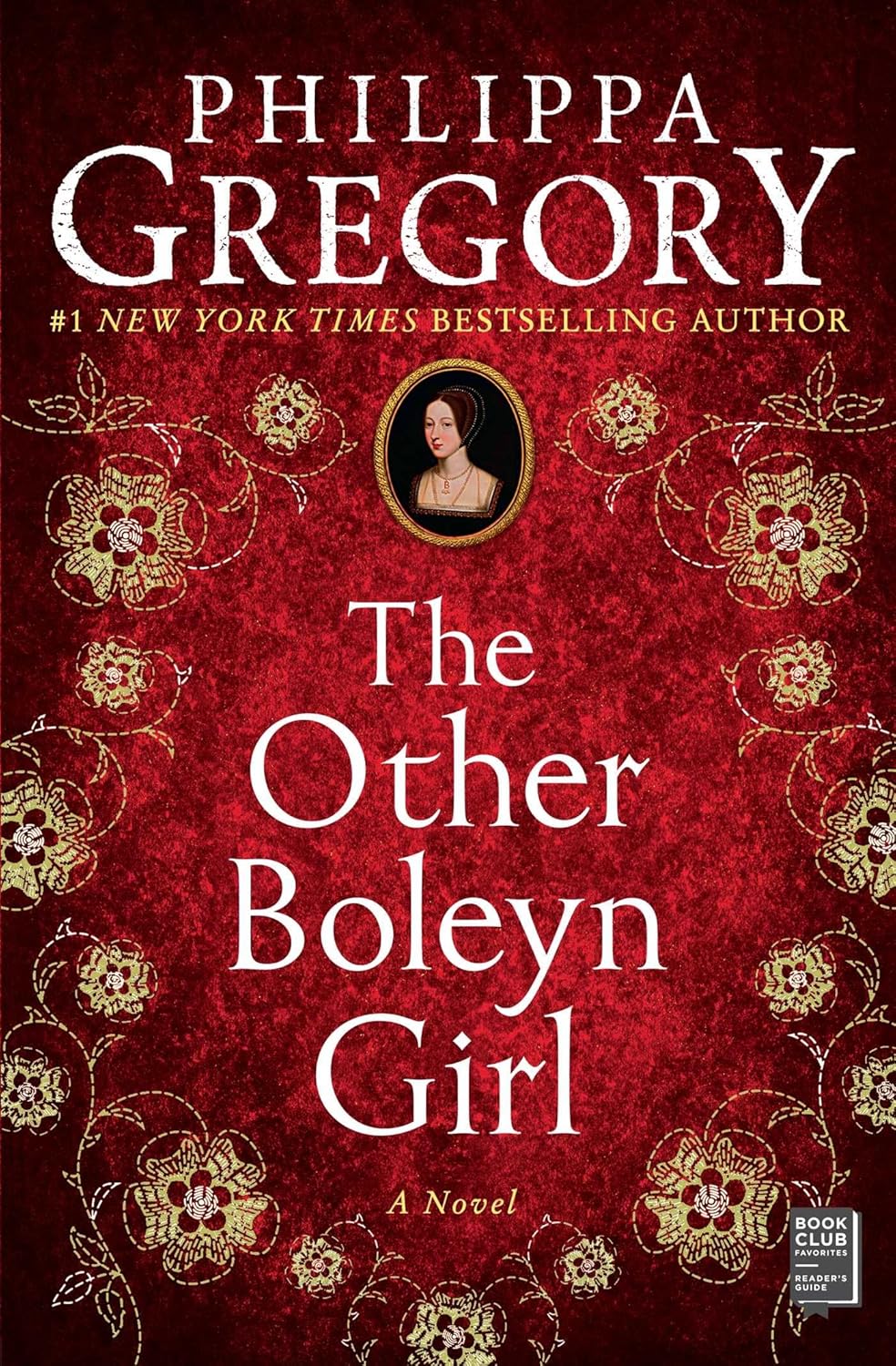
Time Period: Tudor England (1520s-1530s)
Protagonist: Mary Boleyn
Gregory’s breakthrough novel tells the story of Anne Boleyn through the eyes of her sister Mary, who historical sources suggest may have been Henry VIII’s mistress before Anne’s rise. Mary is positioned as the “good” sister, sweet, genuine, and ultimately powerless, while Anne is ambitious and ruthless. The contrast is simplified for dramatic effect, but it works as a page-turner.
What makes this effective historical fiction (if not always accurate history) is Gregory’s ability to make readers care about Mary as she’s swept up in her family’s ambitions. She becomes a mistress, a pawn, and eventually a survivor who chooses love over power. The novel examines how aristocratic families utilized their daughters as a means of influence in Tudor power politics.
The book sparked renewed popular interest in Tudor history and launched Gregory’s career as one of the bestselling authors of historical fiction.
Why Read It: Tudor court intrigue, Boleyn sisters’ relationship, accessible prose, romance intertwined with history, gateway to Tudor fiction.
The Autobiography of Henry VIII by Margaret George
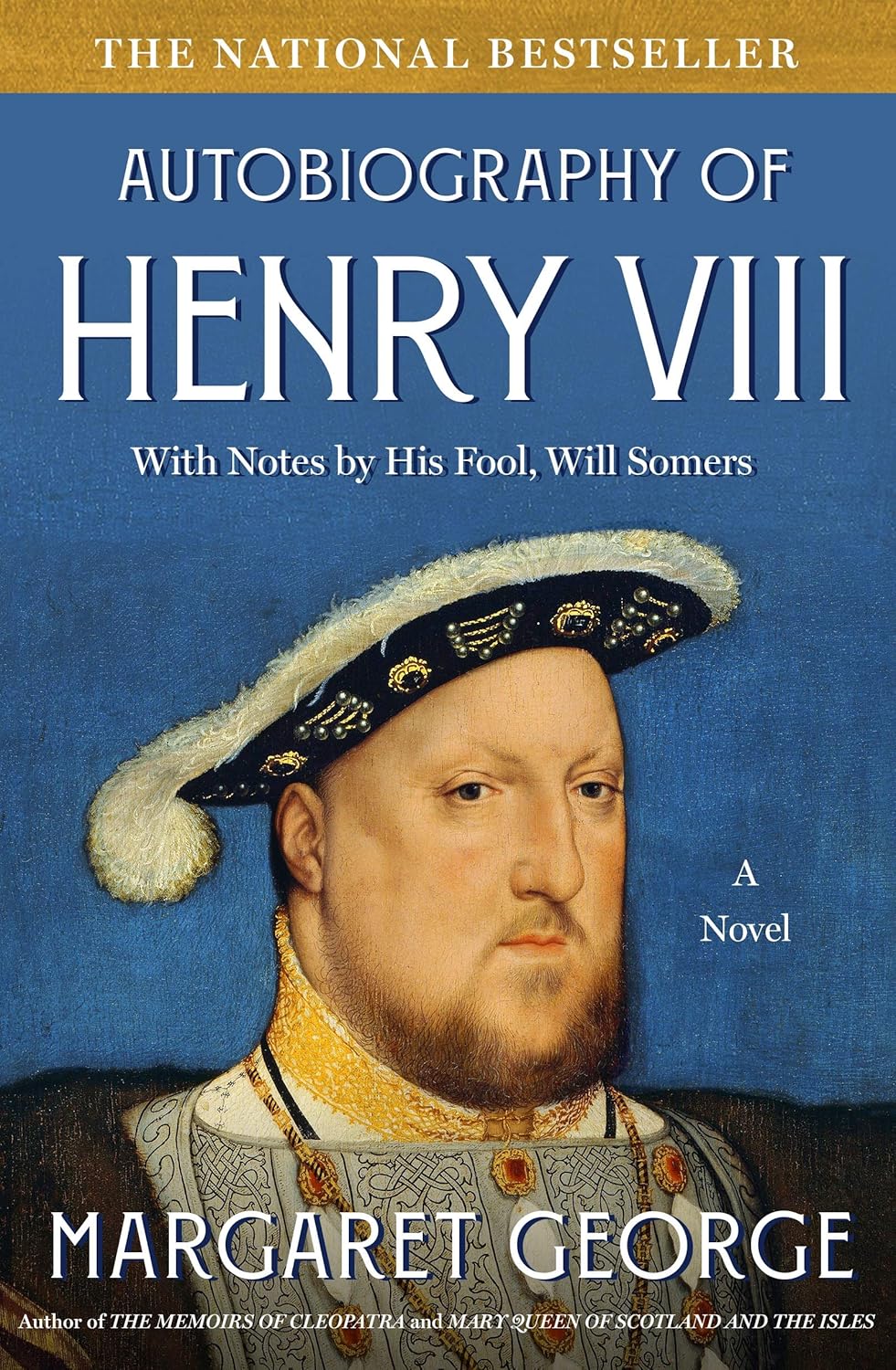
Time Period: Tudor England (1509-1547)
Protagonist: Narrated by Henry VIII, but with Catherine of Aragon, Anne Boleyn, Jane Seymour, Anne of Cleves, Catherine Howard, and Catherine Parr all richly developed
Margaret George’s massive novel (over 900 pages) is narrated by Henry VIII but gives substantial page time and psychological depth to all six wives. Each woman is portrayed as a complete individual with her own motivations, fears, and desires, far beyond the simplified rhyme “divorced, beheaded, died, divorced, beheaded, survived.”
Catherine of Aragon’s quiet dignity, Anne Boleyn’s sharp intelligence, Jane Seymour’s careful calculation, Anne of Cleves’s adaptability, Catherine Howard’s tragic youth, and Catherine Parr’s scholarly interests all come through. George shows how these women navigated life with an unpredictable, dangerous king, making the best choices they could with limited information and few options.
Why Read It: All six wives are portrayed with depth; Henry’s perspective allows insight into the women’s strategies. The epic length and scope, along with its psychological complexity and meticulous research, make it a compelling read.
Girl with a Pearl Earring by Tracy Chevalier
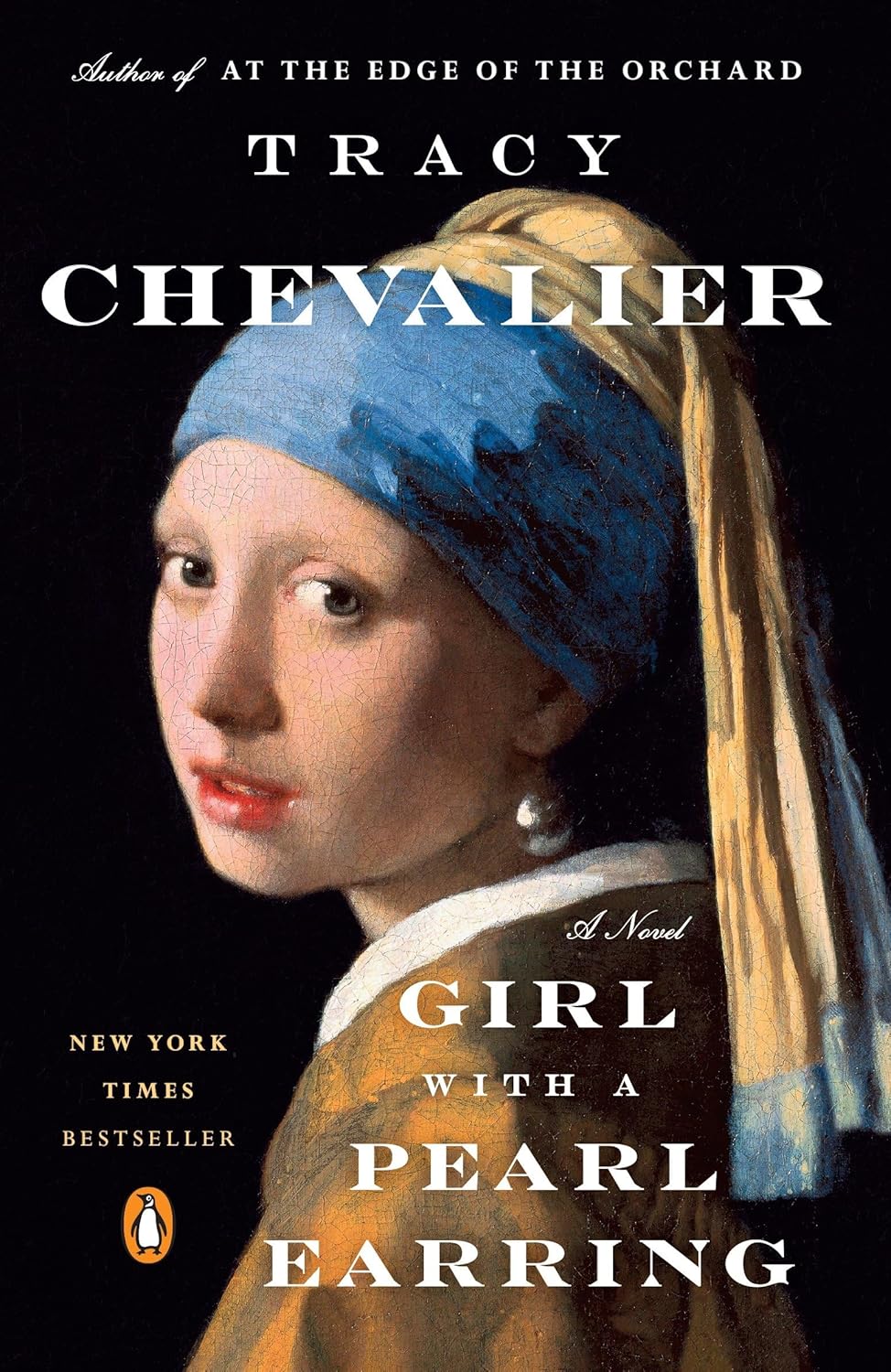
Time Period: Dutch Golden Age (1660s)
Protagonist: Griet
Chevalier imagines the story behind Vermeer’s famous painting, creating Griet, a young servant in the artist’s household who becomes his assistant and muse. Griet is intelligent and observant, with an instinctive understanding of light, color, and composition that draws Vermeer’s attention.
The novel explores class differences, the constraints on women’s lives, and the complicated relationship between artist and muse. Griet must navigate jealousy from Vermeer’s wife, unwanted attention from his patron, and her own ambiguous feelings about the painter. Her agency is limited by her class and gender, but within those constraints, she makes choices that allow her to briefly touch something beautiful and significant.
Chevalier’s prose is restrained and painterly, evoking Vermeer’s style through words. The book is a quiet, intimate portrait of a young woman finding meaning and beauty in constrained circumstances.
Why Read It: Art historical fiction, Dutch Golden Age, class and gender dynamics, quiet and contemplative, a famous painting brought to life.
18th and 19th Centuries
Outlander by Diana Gabaldon
Time Period: 18th century Scotland (with time travel from 1940s)
Protagonist: Claire Randall Fraser
Claire Randall is one of historical fiction’s most beloved protagonists. A World War II combat nurse who accidentally travels back to 1743 Scotland, she brings modern medical knowledge, pragmatic sensibility, and fierce independence to the Highland clans. Her relationship with Jamie Fraser forms the emotional core, but Claire never loses her own identity or agency.
What makes Claire compelling is how she adapts to the 18th century while maintaining her essential self. She becomes a healer in an era of limited medical knowledge, uses her intelligence to navigate political dangers, and repeatedly saves lives (including her own). She’s neither a damsel in distress nor a superhero, but a capable, flawed woman trying to survive and thrive in the wrong century.
The series spans decades and multiple books, allowing readers to witness Claire’s growth, face loss, experience joy, and continually reinvent herself. She remains active and central even in her seventies, a rarity in historical fiction.
Why Read It: Time travel premise, strong female protagonist, epic romance, medical historical fiction, spans decades, passionate fan base.
Alias Grace by Margaret Atwood
Time Period: 1840s Canada
Protagonist: Grace Marks
Based on a real 1843 Canadian murder case, Atwood’s novel follows Grace Marks, a young Irish immigrant and servant convicted of murdering her employer and his housekeeper. The novel is structured around a doctor’s attempt to determine whether Grace is innocent, guilty, or insane, allowing Atwood to explore memory, trauma, and the unreliability of women’s testimony.
Grace is a brilliant creation. Is she a manipulative killer or an innocent victim? Atwood keeps the answer ambiguous, showing how Grace has been defined by men (judges, doctors, journalists) throughout her life. The novel explores how poor women were vulnerable to exploitation, how their voices were dismissed, and how narratives about “criminal women” revealed more about society’s anxieties than about the women themselves.
This is literary historical fiction at its finest, blending true crime with feminist analysis and psychological complexity.
Why Read It: Based on true crime, an unreliable narrator, the Irish immigrant experience in Canada, and literary excellence, Margaret Atwood’s masterful prose explores class and gender.
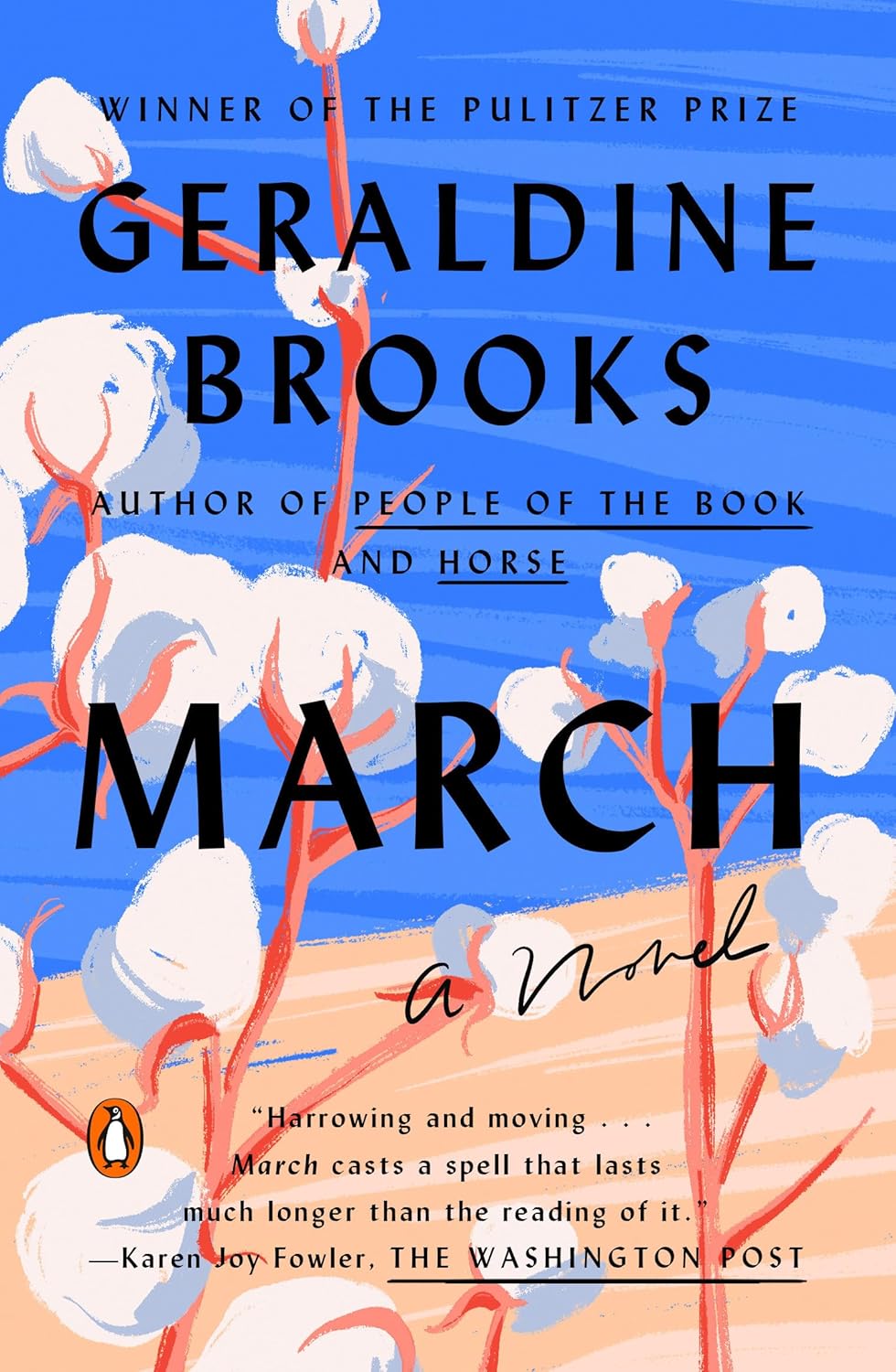
March by Geraldine Brooks
Time Period: American Civil War (1860s)
Protagonist: Mr. March (father from Little Women), but with significant focus on Marmee
Brooks won the Pulitzer Prize for this reimagining of the absent father from Louisa May Alcott’s “Little Women.” While Mr. March narrates his experiences as a Union Army chaplain, the novel gives depth to Marmee (Mrs. March), revealing her as a former abolitionist with her own convictions and sacrifices.
Through flashbacks, we see Marmee’s intellectual life, her commitment to abolition before it was popular, and the compromises she’s made in her marriage and life. The novel explores how women like Marmee supported the Union cause, the strain of wartime separation, and the gap between idealistic beliefs and harsh realities.
Brooks, who researched Civil War history extensively, creates vivid battle scenes and explores the moral complexities of the war. Her Marmee is strong, principled, and far more complex than the sentimental portrait Alcott presents.
Why Read It: Pulitzer Prize winner reimagines the classic novel and the Civil War from a chaplain’s perspective, featuring the abolitionist movement and strong female characters that support the narrative, with Marmee given depth.
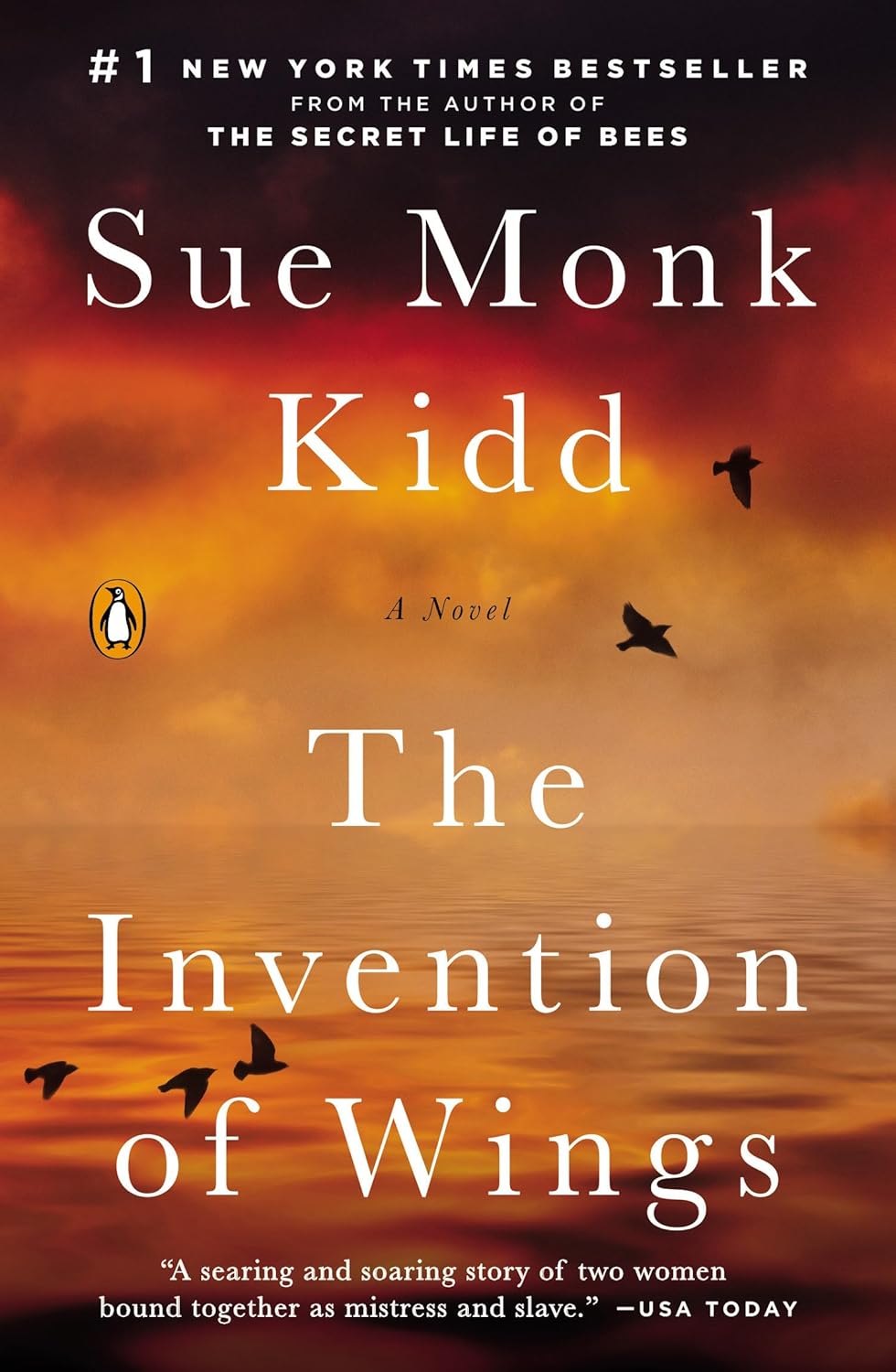
The Invention of Wings by Sue Monk Kidd
Time Period: Antebellum South (1803-1838)
Protagonist: Sarah Grimké (historical figure) and Hetty “Handful” Grimké (fictional)
Kidd’s novel alternates between two protagonists: Sarah Grimké, a real historical figure who became an abolitionist and women’s rights advocate, and Handful, a slave given to Sarah on her eleventh birthday. The dual narrative allows Kidd to explore both white privilege and Black resistance in the antebellum South.
Sarah struggles against her Charleston society upbringing, the expectations of Southern womanhood, and her family’s slaveholding. She eventually moves North and becomes a pioneering advocate for both abolition and women’s suffrage, arguing that the liberation of women and slaves is intertwined.
Handful, inspired by Sarah’s real-life experiences as a slave but fictionalized, is resourceful, talented, and constantly seeking freedom. Her narrative explores the small and large acts of resistance that enslaved people engaged in, from learning to read (which was illegal for slaves) to planning escape.
The novel examines how systems of oppression intersect, how privilege can be both acknowledged and utilized for the greater good, and the arduous, yet ultimately rewarding, path to freedom and equality.
Why Read It: Dual narratives (white and Black women), the abolitionist movement, women’s rights history, based on a historical figure, explores privilege and resistance, and features Sue Monk Kidd’s compelling prose.
Victorian Era
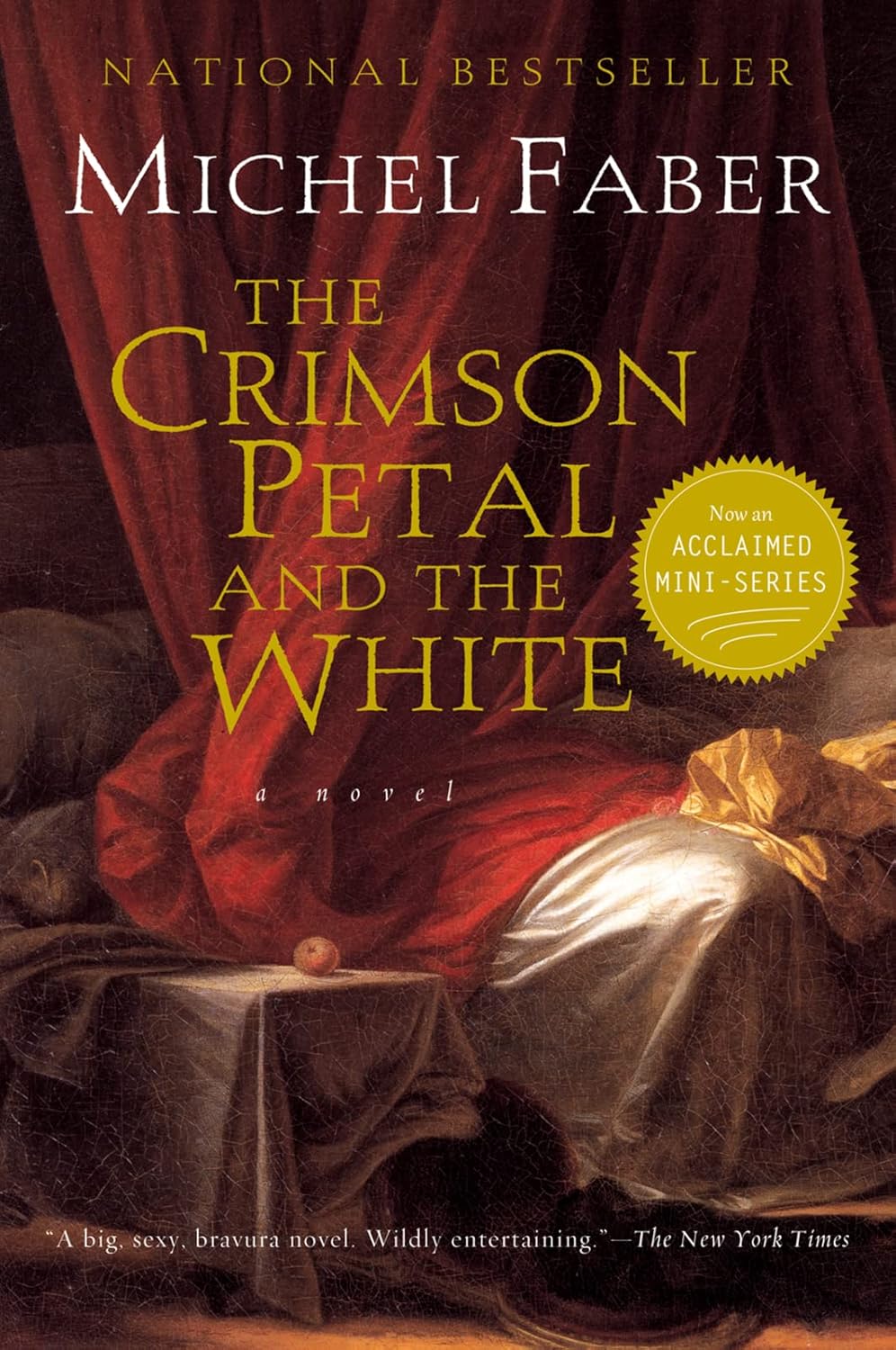
The Crimson Petal and the White by Michel Faber
Time Period: Victorian London (1870s)
Protagonist: Sugar, a prostitute
Sugar is an educated prostitute in Victorian London who becomes the mistress of William Rackham, a wealthy perfume manufacturer. Unlike typical “whore with a heart of gold” narratives, Sugar is complex and sometimes unsympathetic, intelligent, angry, and determined to escape her circumstances by any means necessary.
Faber’s London is vividly realized, from the squalor of the East End to the hypocrisies of middle-class respectability. Sugar navigates this world using her intelligence and sexuality, exploiting William’s weaknesses while trying to help his neglected daughter. The novel explores Victorian attitudes toward women’s sexuality, the limited options available to women outside marriage, and the various forms of prostitution (sexual, emotional, domestic) women engaged in.
This is not a romanticized Victorian novel. It’s gritty, sometimes disturbing, and always intelligent. Sugar is unforgettable, a woman using every resource at her disposal to survive and potentially transcend her circumstances.
Why Read It: Victorian London underworld, complex prostitute protagonist, gritty realism, women’s limited options, social critique, epic scope (over 800 pages).
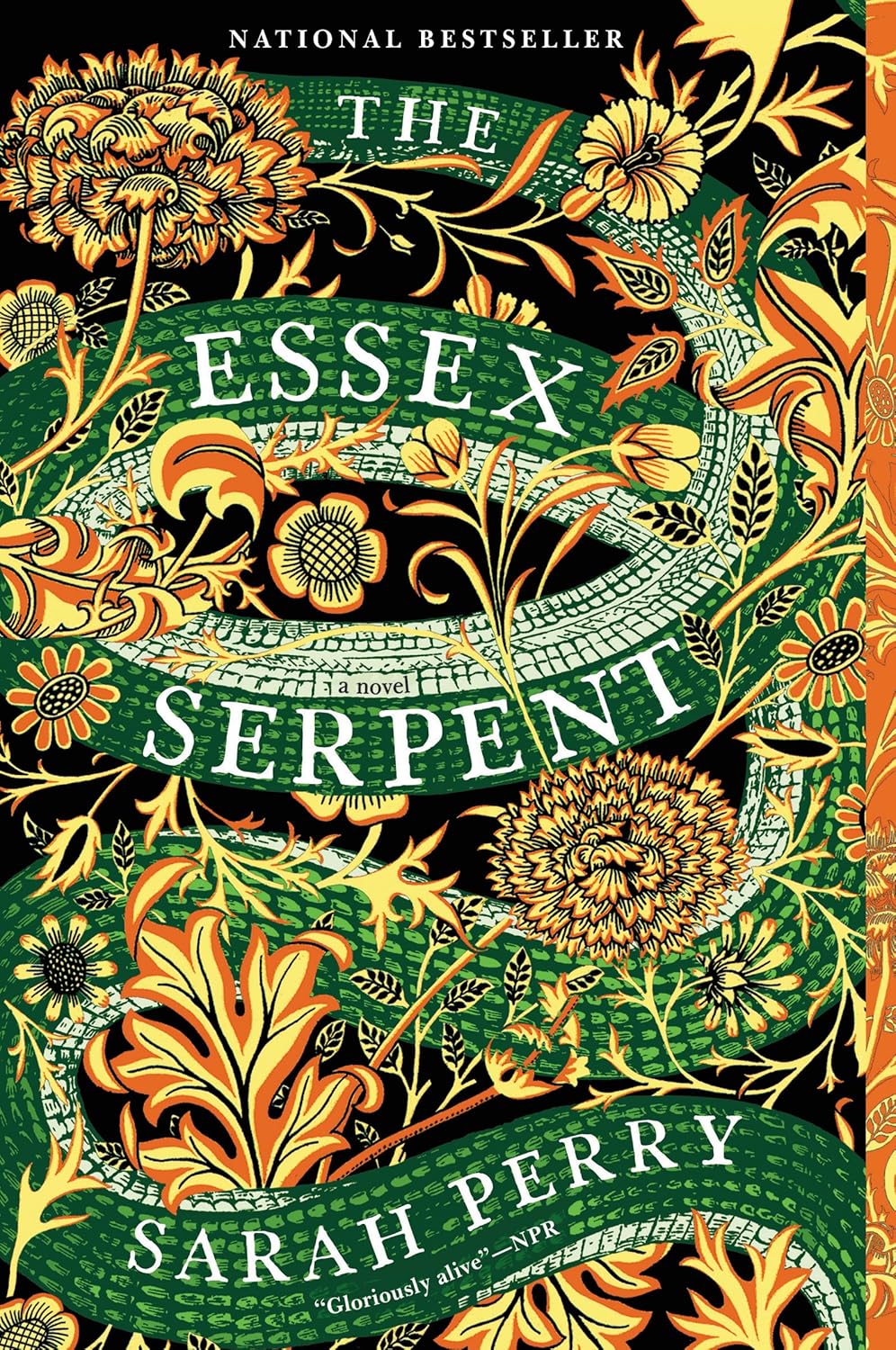
The Essex Serpent by Sarah Perry
Time Period: Victorian England (1890s)
Protagonist: Cora Seaborne
Newly widowed and finally free from an abusive marriage, Cora Seaborne pursues her interest in natural history and paleontology, traveling to Essex to investigate rumors of a sea serpent. Cora is intellectual, unconventional, and determined to live according to her own interests rather than society’s expectations for a widow.
Perry’s novel is as much about ideas as it is about plot, exploring themes such as faith versus science, freedom versus social constraint, and the natural world versus industrialization. Cora’s relationship with a married vicar becomes emotionally intense, but Perry refuses to make it a simple romance, instead exploring intellectual companionship and the limitations both characters face.
What makes Cora compelling is her genuine passion for science and the natural world, a time when women were discouraged from pursuing intellectual interests. She’s awkward, intense, and sometimes selfish, but always authentically herself.
Why Read It: Victorian woman scientist, Essex folklore and landscape, science versus faith themes, complex relationships, literary historical fiction, gorgeous prose.
World War I
Testament of Youth by Vera Brittain
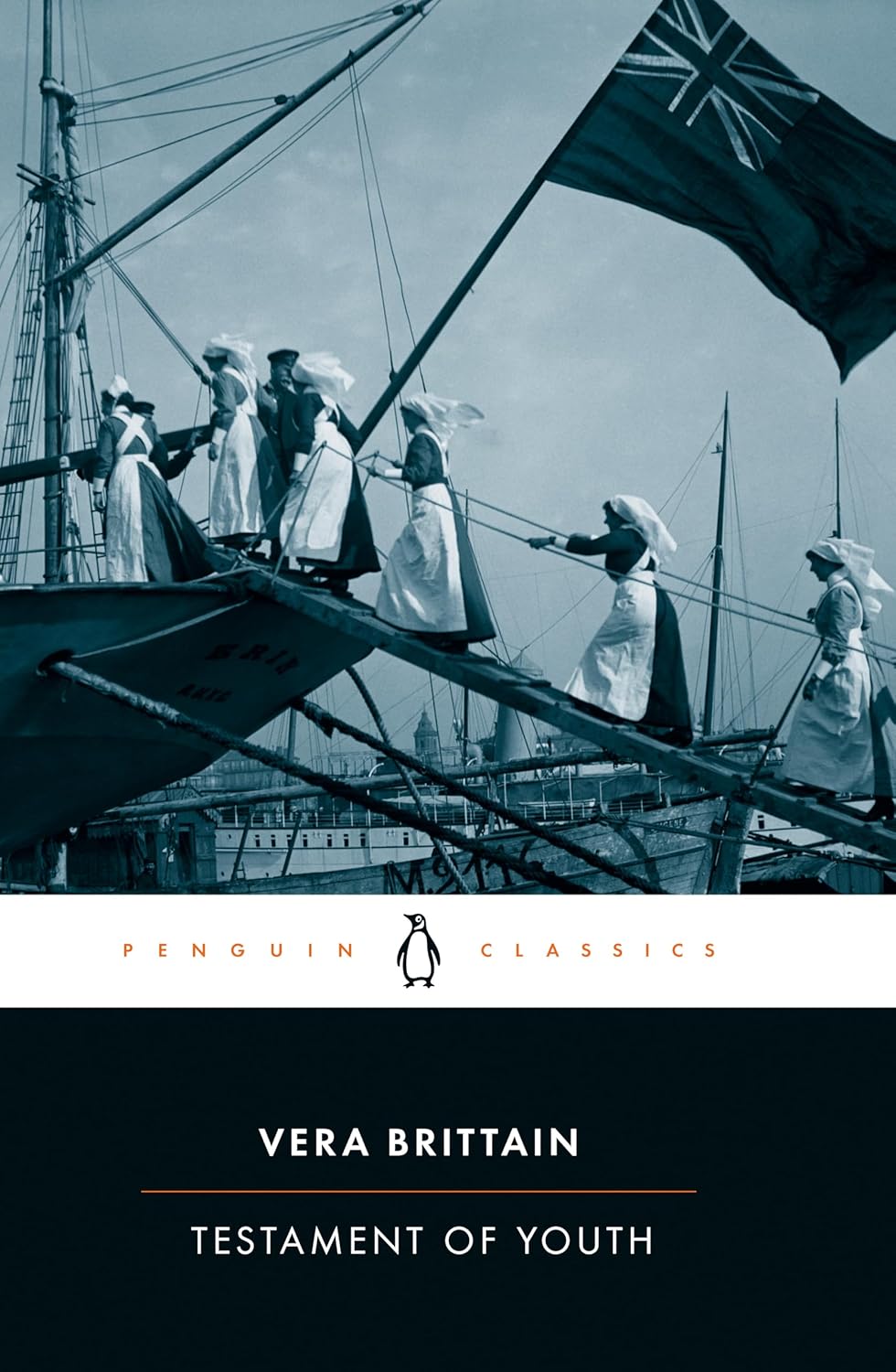
Time Period: World War I (1914-1918)
Protagonist: Vera Brittain (autobiographical)
While technically a memoir rather than fiction, Vera Brittain’s “Testament of Youth” reads with the power of the best historical fiction. Brittain, a young Oxford student when the war began, loses her fiancé, brother, and close friends to the trenches while serving as a VAD (Voluntary Aid Detachment) nurse in England, Malta, and France.
Brittain’s account of nursing hideously wounded soldiers, her struggles with faith and purpose, and her transformation from naïve student to war-weary veteran is devastating and powerful. She writes about the generation of young men destroyed by the war and the women left to carry on, exploring how WWI changed women’s roles and expectations.
The book is essential reading for understanding both WWI and women’s experiences of that war. Brittain’s clear-eyed prose and refusal to romanticize either war or suffering make this a timeless work.
Why Read It: Real WWI nurses’ experience, lost generation, women’s war work, Oxford in wartime, transformation through trauma, essential WWI memoir.
World War II
The Nightingale by Kristin Hannah
Time Period: World War II, France (1939-1945)
Protagonists: Vianne and Isabelle Mauriac (sisters)
Hannah’s bestselling novel follows two French sisters during the Nazi occupation of France. Vianne, the older sister, tries to survive and protect her daughter in occupied France, making impossible moral choices to keep her family alive. Isabelle, younger and more reckless, joins the Resistance and helps downed Allied airmen escape over the Pyrenees.
The sisters represent different responses to occupation: accommodation (Vianne) and resistance (Isabelle). Both face extraordinary dangers and moral dilemmas. Hannah doesn’t judge either response, instead showing how survival in wartime requires compromises and courage takes many forms.
The novel explores women’s experiences of WWII beyond the usual narrative of nurses and spies, showing how ordinary women resisted, collaborated, and survived in occupied France. It’s emotionally powerful, sometimes devastating, and highlights the often-overlooked contributions of women to the French Resistance.
Why Read It: WWII French Resistance, sisters’ relationship, different forms of courage, women’s war experience, emotional depth, and a bestseller for good reason.
Code Name Verity by Elizabeth Wein

Time Period: World War II (1943)
Protagonists: “Verity” (code name) and Maddie Brodatt
Wein’s young adult novel is sophisticated enough for adults and features one of the most brilliant narrative structures in recent historical fiction. A British spy code-named Verity has been captured by the Gestapo in occupied France and writes her confession, revealing how she and her best friend Maddie, a pilot, came to France.
To say more would spoil the experience, but the novel explores female friendship, wartime espionage, the moral complexities of resistance, and the costs of war. Both protagonists are fully realized, brave, and flawed. Their friendship, tested by impossible circumstances, is the heart of the story.
Wein researched World War II aviation, British intelligence operations, and the French Resistance extensively. The book is both a thrilling spy story and a meditation on courage, sacrifice, and the art of storytelling itself.
Why Read It: WWII spy fiction, female pilots, brilliant narrative structure, friendship under pressure, YA that appeals to adults, thoroughly researched.
All the Light We Cannot See by Anthony Doerr

Time Period: World War II (1934-1945)
Protagonists: Marie-Laure LeBlanc and Werner Pfennig
Doerr’s Pulitzer Prize-winning novel alternates between Marie-Laure, a blind French girl who helps her uncle’s Resistance activities in occupied Saint-Malo, and Werner, a German orphan recruited by the Nazi military for his technical skills. Marie-Laure is resourceful and brave, navigating the world through touch and sound while assisting her uncle in broadcasting illegal radio messages for the Resistance.
What makes Marie-Laure remarkable is that her blindness is portrayed as a matter of fact. It’s a part of her reality, not her defining characteristic or a metaphor. She’s intelligent, curious, and determined, adapted to her disability since childhood. Her contributions to the Resistance effort are genuine and significant, utilizing her intimate knowledge of Saint-Malo’s geography to assist others.
Doerr’s prose is lyrical, and the structure is intricate, building toward the inevitable meeting of these two characters, who are on opposite sides of the war. The novel explores how ordinary people navigate extraordinary circumstances, the moral costs of survival, and the small acts of kindness that persist even in the midst of war.
Why Read It: Pulitzer Prize winner, blind protagonist portrayed authentically, dual perspectives (French and German), French Resistance, beautiful prose, and moral complexity.
The Book Thief by Markus Zusak
Time Period: Nazi Germany (1939-1943)
Protagonist: Liesel Meminger
Narrated by Death, Zusak’s novel follows Liesel, a young girl who is sent to live with foster parents in a German town during World War II. Liesel steals books and learns to read, finding solace and power in words during the darkest period of modern history. Her foster family hides a Jewish man in their basement, and Liesel forms a bond with him through their shared stories.
What makes Liesel compelling is her ordinariness. She’s not a heroic Resistance fighter but a child trying to understand an incomprehensible world. Her weapon is literacy, her rebellion is reading banned books, and her power is sharing stories. Zusak demonstrates how literature and language can serve as forms of resistance, illustrating how beauty persists even in the face of horror.
The novel is categorized as young adult, but it has also found a massive adult audience. Death’s narration is unique and strangely compassionate, and the German setting during World War II allows Zusak to explore how ordinary Germans experienced the war.
Why Read It: Unique narrator (Death), German civilian perspective, power of literacy and stories, YA that transcends category, emotionally powerful, sheltering Jews in Nazi Germany.
Frequently Asked Questions
What defines “strong” in a female protagonist?
Strength in historical fiction doesn’t just mean physical courage or fighting ability; it also encompasses the ability to convey a sense of authenticity. It can mean intellectual resilience, moral conviction, adaptability, survival instincts, or the ability to effect change within constrained circumstances. Strong female protagonists make active choices, drive the narrative, and possess agency appropriate to their historical period.
Are these books historically accurate?
Historical accuracy varies from book to book and author to author. Some (like Vera Brittain’s memoir or books by Hilary Mantel) are meticulously researched and largely accurate. Others (like Philippa Gregory’s novels) take creative liberties for dramatic effect. Most historical fiction blends documented history with invented characters and dialogue. Check the author’s notes for their approach to research and accuracy.
Can men enjoy books with female protagonists?
Absolutely. Great characters transcend gender, and these books explore universal themes: survival, moral dilemmas, the search for meaning, human relationships, and how individuals navigate historical forces. Male readers who enjoy historical fiction will find these books as compelling as those with male protagonists.
Why is there a lack of historical fiction featuring women warriors and soldiers?
Women were historically excluded from military service in most cultures (though exceptions exist: Joan of Arc, female pirates, some medieval noblewomen who led troops, Soviet female fighters in WWII). Authors who want to depict women warriors often turn to fantasy or must focus on these exceptional historical cases. However, many forms of “fighting” existed beyond formal military service, including espionage, resistance work, and political maneuvering.
Are these books appropriate for young adult readers?
It depends on the book and the reader’s maturity. Some (like “Code Name Verity” and “The Book Thief”) are explicitly YA. Others contain adult content, including sexual situations, violence, and mature themes. Check content warnings and age recommendations for specific titles to ensure suitability. Many teens who read mature content would enjoy most of these books.
Do these books all have happy endings?
No. Historical fiction often embraces tragedy because history itself is tragic. Some of these books have hopeful or triumphant endings, others are devastating, and many are bittersweet. Expect emotional complexity rather than guaranteed happiness, which makes the victories more meaningful when they occur.
Where can I find more historical fiction with diverse female protagonists?
Look for books featuring women of color, LGBTQ+ women, women with disabilities, and women from non-Western cultures. Authors to explore include Yaa Gyasi, Min Jin Lee, Tayari Jones, Lisa See, Amy Tan, and Jesmyn Ward. Historical fiction increasingly features diverse voices and perspectives.
What time periods have the most historical fiction with female leads?
Tudor England, World War II, the Victorian era, and the American Civil War era are the most prominent historical periods in historical fiction, including books featuring female protagonists. While ancient world and medieval settings have strong representation overall, female-focused novels from these periods are less common proportionally, though they certainly exist and are growing in number. Historical fiction increasingly features diverse voices and perspectives across all time periods.
Conclusion: Women Who Shaped History
Historical fiction with female protagonists does more than entertain. It recovers voices that were silenced or dismissed in traditional historical accounts. It asks what history looks like when seen through women’s eyes, how power operates when you’re excluded from it, and what courage means when your options are limited.
These eighteen books span millennia, from ancient Egypt to Nazi Germany, featuring queens and servants, warriors and healers, rebels and survivors. Their protagonists are flawed, complex, and unforgettable. They remind us that women have always been active participants in history, shaping events through the power available to them, whether political influence, intellectual brilliance, physical courage, or simply the determination to survive.
The beauty of this list is its diversity. If you’re looking for an epic romance, try “Outlander.” Literary excellence? “Wolf Hall” or “Alias Grace.” WWII resistance? “The Nightingale” or “Code Name Verity.” Ancient world reimagined? “The Song of Achilles” or “Cleopatra’s Daughter.” Biblical retelling? “The Red Tent.” Whatever your preference, there’s a remarkable woman waiting to tell you her story.
These characters don’t need to be “strong” in any single definition of the word. They need to be really flawed, scared, brave, intelligent, making impossible choices in difficult circumstances. That’s what makes them unforgettable. That’s what makes them worth reading about centuries after their stories take place.
Begin with the time period or theme that resonates with you. Meet these women on their own terms, in their own times. You’ll come away with not just entertainment, but insight into how women have always navigated, resisted, and shaped the world around them.


