

The medieval period, spanning roughly from the 5th to the 15th century, remains one of the most captivating eras for readers of historical fiction. With its castles and cathedrals, knights and crusades, plagues and power struggles, the Middle Ages offers a rich tapestry of dramatic events and larger-than-life characters that continue to inspire compelling novels.
From Bernard Cornwell’s gritty warrior tales to Ken Follett‘s epic historical fiction, medieval historical fiction transports readers to a world of feudal politics, religious fervor, brutal warfare, and remarkable human resilience. Whether you’re drawn to the clash of swords in battle, the intricate politics of medieval courts, or the daily struggles of ordinary people in extraordinary times, these novels bring the Middle Ages vividly to life.
This comprehensive guide showcases the fifteen best medieval historical fiction novels, spanning the Dark Ages to the late medieval period. Each recommendation captures the essence of medieval life while delivering the engaging storytelling that makes historical fiction so addictive.
Disclosure: This article contains affiliate links. We earn from qualifying purchases at no extra cost to you.What Makes Great Medieval Historical Fiction?
Before diving into our recommendations, it’s worth understanding what elevates medieval fiction from good to great.
Historical Authenticity
The best medieval novels strike a balance between historical accuracy and compelling storytelling. Authors research everything from warfare tactics and castle construction to daily life and period-appropriate language, creating worlds that feel authentic without overwhelming readers with unnecessary detail.
Vivid Characterization
Medieval settings can feel distant, so strong characters who experience recognizable human emotions, ambition, love, loyalty, and fear help bridge the centuries. Whether noble or commoner, warrior or monk, the most memorable medieval protagonists feel real despite their historical distance.
Epic Scope
The medieval period lends itself to sweeping narratives. Great medieval fiction often spans years or decades, following characters through wars, political upheavals, and personal transformations against the backdrop of significant historical events.
Immersive World-Building
From the smell of a medieval market to the terror of a castle siege, the best novels engage all senses. Effective world-building makes readers feel the cold stone of castle walls, hear the clash of battle, and understand the religious fervor that drove crusaders.
Balance of Action and Intrigue
Medieval fiction can offer both physical action (battles, tournaments, sieges) and political maneuvering (court intrigue, religious conflict, succession disputes). The best novels skillfully blend both elements.
The 15 Best Medieval Historical Fiction Novels
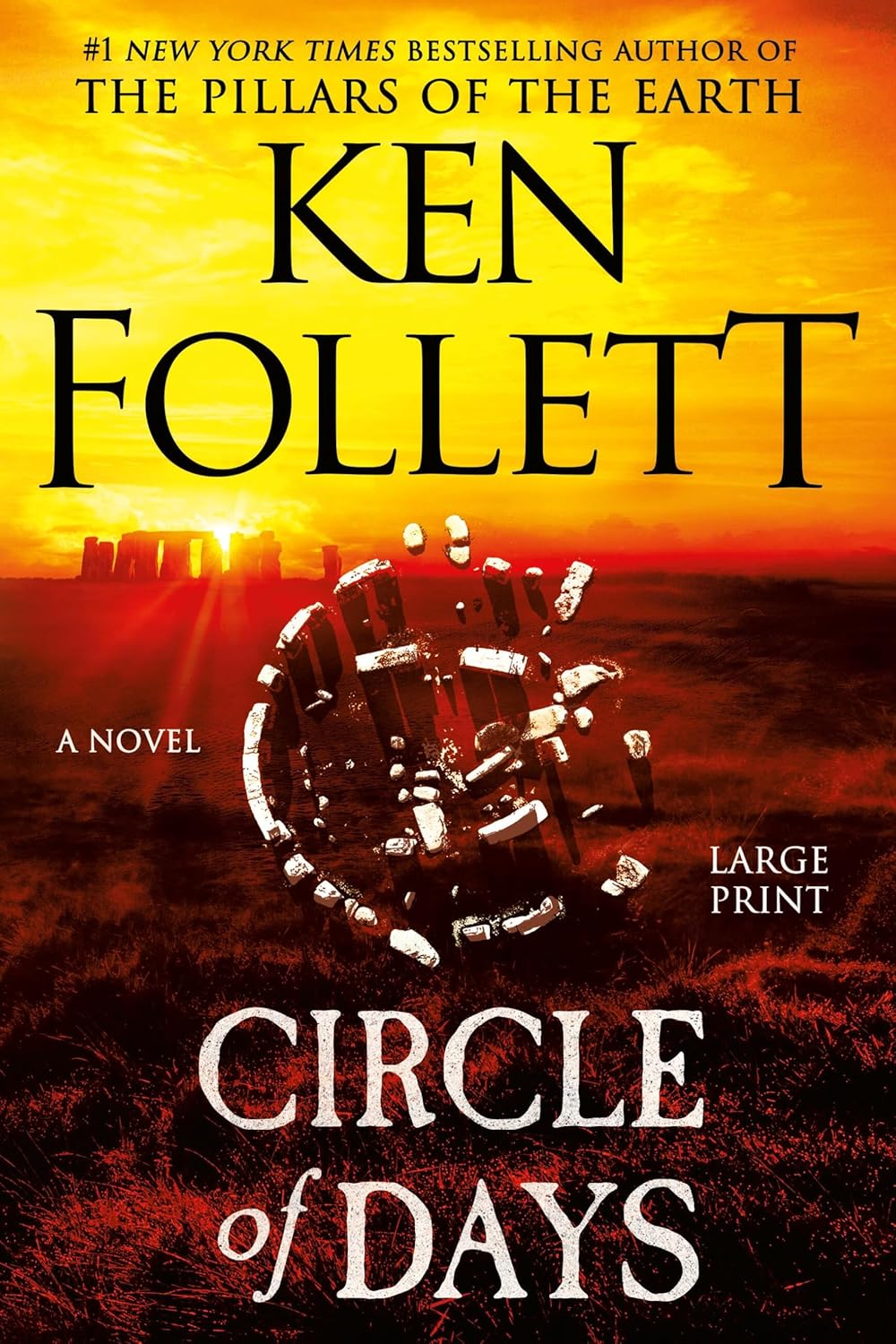
1. The Pillars of the Earth by Ken Follett
Setting: 12th-century England during The Anarchy (1135-1153)
Why It’s Essential: Ken Follett’s masterwork is arguably the most beloved medieval historical novel ever written. Spanning forty years, it follows the construction of a fictional Gothic cathedral in the town of Kingsbridge, weaving together the lives of a master builder, a noblewoman, a monk, and others whose destinies intertwine through decades of civil war, religious conflict, and architectural ambition.
What Makes It Special: Follett combines meticulous research about medieval architecture and construction with page-turning storytelling. The cathedral itself becomes a character—its creation reflecting the period’s technical achievements and spiritual aspirations. The novel’s epic scope, memorable characters, and accessible writing style make it the perfect entry point for readers new to medieval fiction.
Perfect For: Readers seeking epic scope, architectural detail, multiple interweaving storylines, and an immersive introduction to the medieval period.
[Buy Book: The Pillars of the Earth]
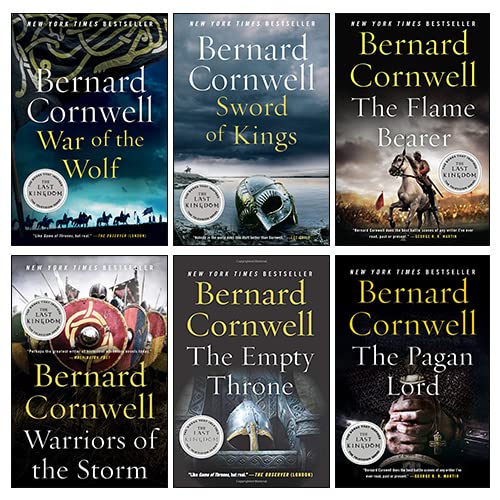
2. The Last Kingdom by Bernard Cornwell
Setting: 9th-century England during Viking invasions (866 AD)
Why It’s Essential: The first in Cornwell’s Saxon Stories series (comprising 13 books in total), The Last Kingdom introduces Uhtred of Bebbanburg, a Saxon nobleman who is captured and raised by Vikings, and must navigate divided loyalties as they conquer much of England. Cornwell’s protagonist serves both Alfred the Great and his own Viking upbringing, creating compelling internal conflict.
What Makes It Special: Cornwell is the master of military historical fiction. His battle scenes are visceral, historically accurate, and thoroughly researched. The clash between Saxon Christianity and Viking paganism, combined with Uhtred’s conflicted identity, creates constant tension. Fast-paced and action-packed, this series epitomizes the warrior’s tale in medieval fiction.
Perfect For: Readers who love battle scenes, Viking culture, warrior protagonists, and fast-paced action with historical depth.
[Buy Series: The Last Kingdom]
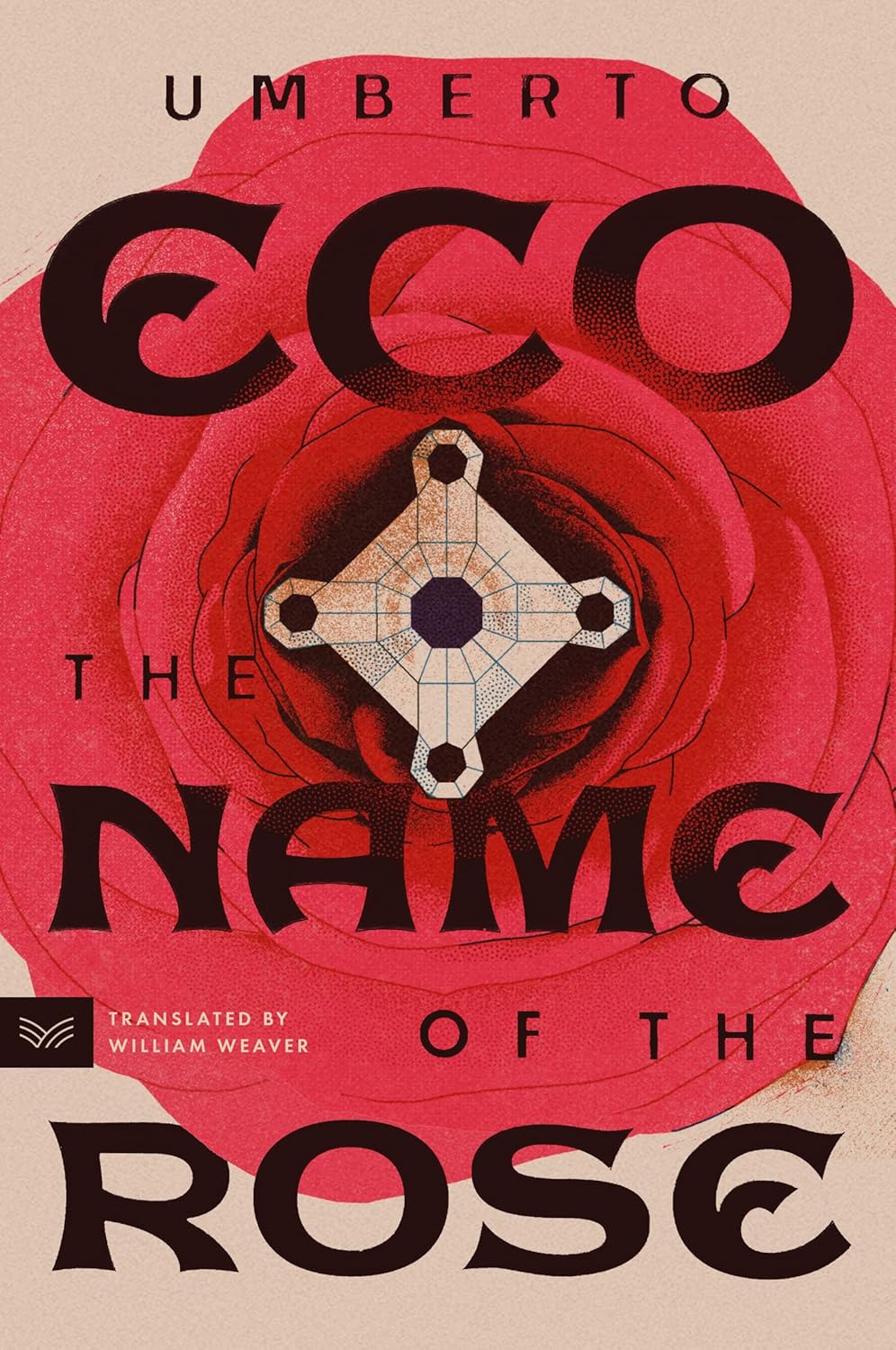
3. The Name of the Rose by Umberto Eco
Setting: Italian monastery, November 1327
Why It’s Essential: Eco’s intellectual mystery combines medieval scholarship with the detective fiction genre. Franciscan friar William of Baskerville investigates a series of murders in a wealthy Italian abbey, navigating theological disputes, forbidden books, and the complex web of ecclesiastical politics. The novel delves into medieval philosophy, religious controversies, and the transformative power of knowledge.
What Makes It Special: Dense with period detail and philosophical inquiry, The Name of the Rose is literary historical fiction at its finest. Eco’s deep knowledge of medieval theology, politics, and daily monastic life creates an incredibly immersive experience. It’s challenging but rewarding a thinking reader’s medieval novel that explores the period’s intellectual life.
Perfect For: Readers seeking intellectual depth, mystery elements, detailed medieval scholarship, and literary fiction with a historical setting.
[Buy Book: The Name of the Rose]
4. Ivanhoe by Sir Walter Scott
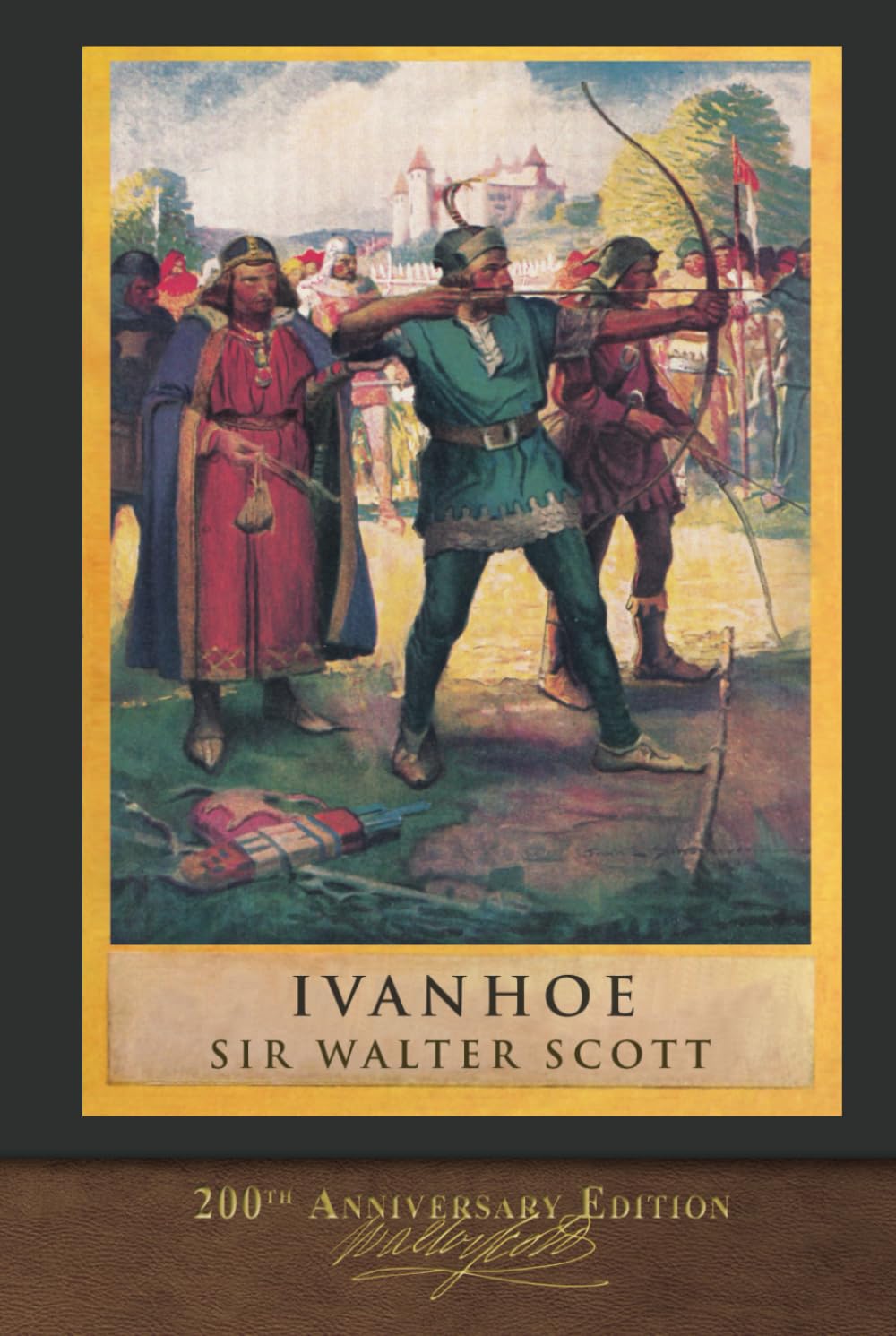
Setting: 12th-century England after the Third Crusade (1194)
Why It’s Essential: Scott’s 1819 novel essentially created the historical fiction genre as we know it and established many medieval romance tropes, such as knights in shining armor, damsels in distress, and jousting tournaments. Ivanhoe returns from the Crusades to find England ruled by Prince John in King Richard’s absence, leading to conflicts that involve Saxon-Norman tensions, Jewish persecution, and the legendary Robin Hood himself.
What Makes It Special: While dated in some aspects, Ivanhoe remains influential and entertaining. Scott’s romantic medievalism shaped popular perceptions of the period—for better and worse. His vivid tournament scenes, siege warfare, and larger-than-life characters established templates followed by countless later authors.
Perfect For: Readers interested in literary history, classic literature, romantic medievalism, Robin Hood legends, and the origins of the historical fiction genre.
[Buy Book: Ivanhoe]
5. World Without End by Ken Follett
Setting: 14th-century England, 1327-1361
Why It’s Essential: Follett’s sequel to The Pillars of the Earth returns to Kingsbridge two centuries later, as the town faces new challenges: the Black Death, the Hundred Years’ War, and ongoing conflicts between the Church and the Crown. Four young people, a builder, a physician’s daughter, a monk, and a noblewoman, navigate love, ambition, and survival through catastrophic historical events.
What Makes It Special: Where Pillars focused on construction, World Without End examines destruction and the rebuilding that follows. The Black Death sections are harrowing and historically accurate, showing the plague’s devastating impact on medieval society. Follett again demonstrates his gift for making history accessible while maintaining emotional engagement across an epic timeline.
Perfect For: Fans of The Pillars of the Earth, readers interested in the Black Death, those who enjoy medical history and medieval medicine, and epic multi-generational sagas.
[Buy Book: World Without End]
6. The Warlord Chronicles by Bernard Cornwell (Trilogy)
Setting: 5th-6th century Britain (Dark Ages)
Why It’s Essential: Cornwell’s Arthur trilogy, The Winter King, Enemy of God, and Excalibur, strips away medieval romance to present a gritty, historically plausible version of the Arthurian legend. Arthur is a war leader trying to unite Britain against Saxon invaders, not a chivalrous king. Magic becomes superstition, knights become warriors, and Camelot becomes a brutal Dark Ages Britain.
What Makes It Special: This is an Arthurian legend for adults who want historical realism over fantasy. Cornwell grounds the myths in what could have actually happened, creating a believable historical context for legendary stories. Narrated by an elderly priest looking back on his youth, the trilogy strikes a balance between action and reflection on faith, loyalty, and the cost of leadership.
Perfect for: Arthurian legend enthusiasts seeking a realistic interpretation, fans of Cornwell’s Dark Ages setting, and readers who want myth grounded in historical possibility.
[Buy Book: The Winter King (Warlord Chronicles)]
7. The Physician by Noah Gordon
Setting: 11th-century England and Persia (1021-1041)
Why It’s Essential: Young Englishman Rob Cole journeys to Persia to study medicine with the legendary Ibn Sina (Avicenna), disguising himself as a Jew to gain access to the world’s most advanced medical knowledge. Gordon’s novel combines adventure, medical history, themes of religious tolerance, and the transmission of knowledge between cultures.
What Makes It Special: The Physician offers a rare perspective on a medieval novel centered on medicine and learning rather than warfare or politics. The contrast between Dark Ages Europe and the more advanced Islamic world illuminates medieval global dynamics. Rob’s quest for knowledge and his experiences in a foreign culture create both adventure and education.
Perfect for readers interested in medieval medicine, the Islamic Golden Age, cross-cultural stories, medical history, and adventure narratives that emphasize learning over conquest.
[Buy Book: The Physician]
8. Katherine by Anya Seton
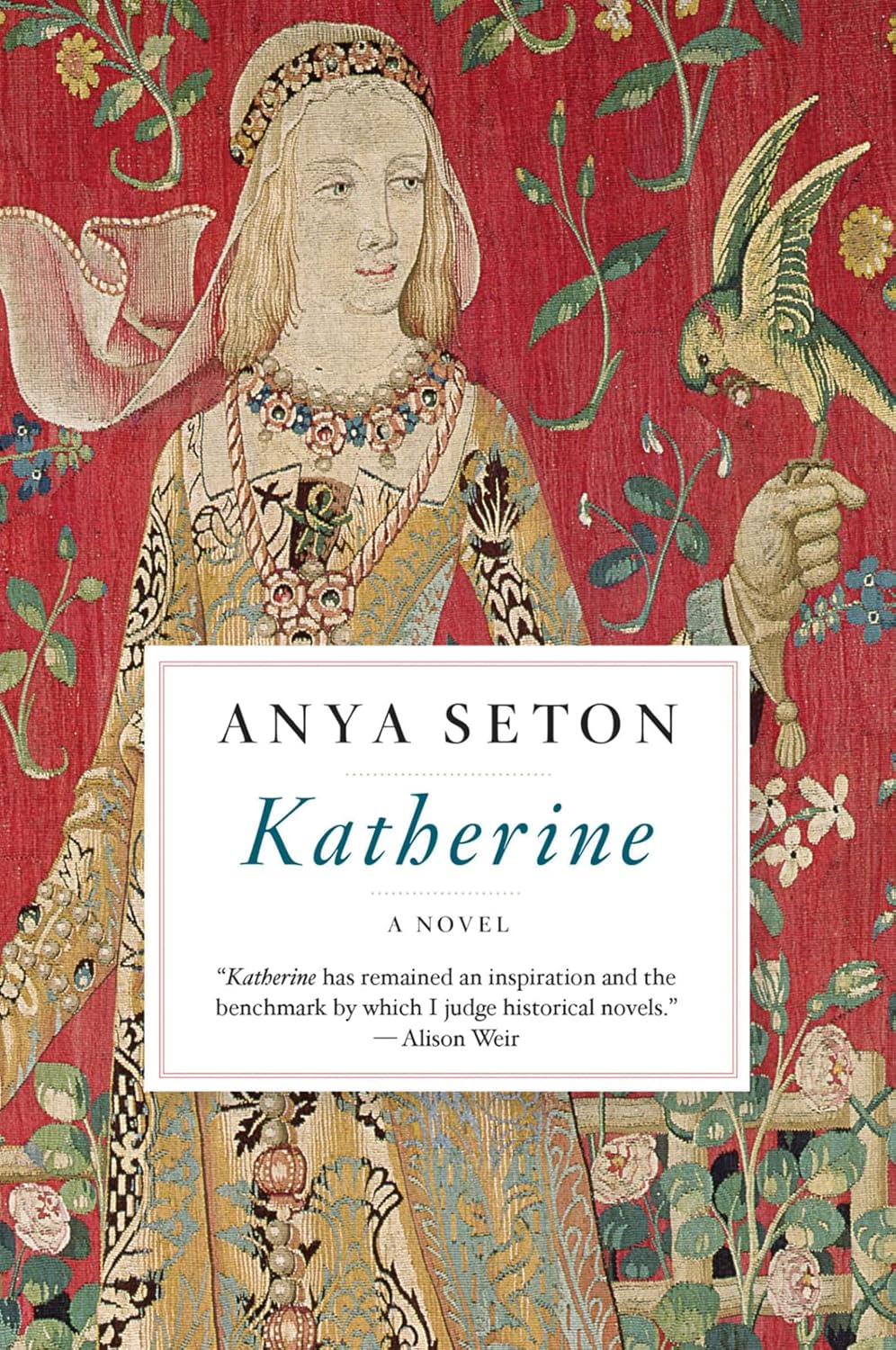
Setting: 14th-century England (1366-1396)
Why It’s Essential: This classic romance tells the true story of Katherine Swynford, mistress and later wife of John of Gaunt (son of Edward III), whose descendants include multiple English monarchs. Seton meticulously researched Katherine’s life, creating a sweeping romance that’s also historically grounded, covering the Peasants’ Revolt, royal courts, and changing social orders.
What Makes It Special: Katherine strikes a balance between romance and historical authenticity. Seton doesn’t shy from period realities, social hierarchies, limited women’s rights, and political violence while creating a genuinely moving love story. The novel follows Katherine from a young girl to a powerful noblewoman, showing character growth across decades.
Perfect for: Historical romance readers seeking depth, those interested in women’s medieval history, readers who enjoy learning about true historical figures, and those who appreciate sweeping romantic epics with a solid historical foundation.
[Buy Book: Katherine]
9. The Sunne in Splendour by Sharon Kay Penman
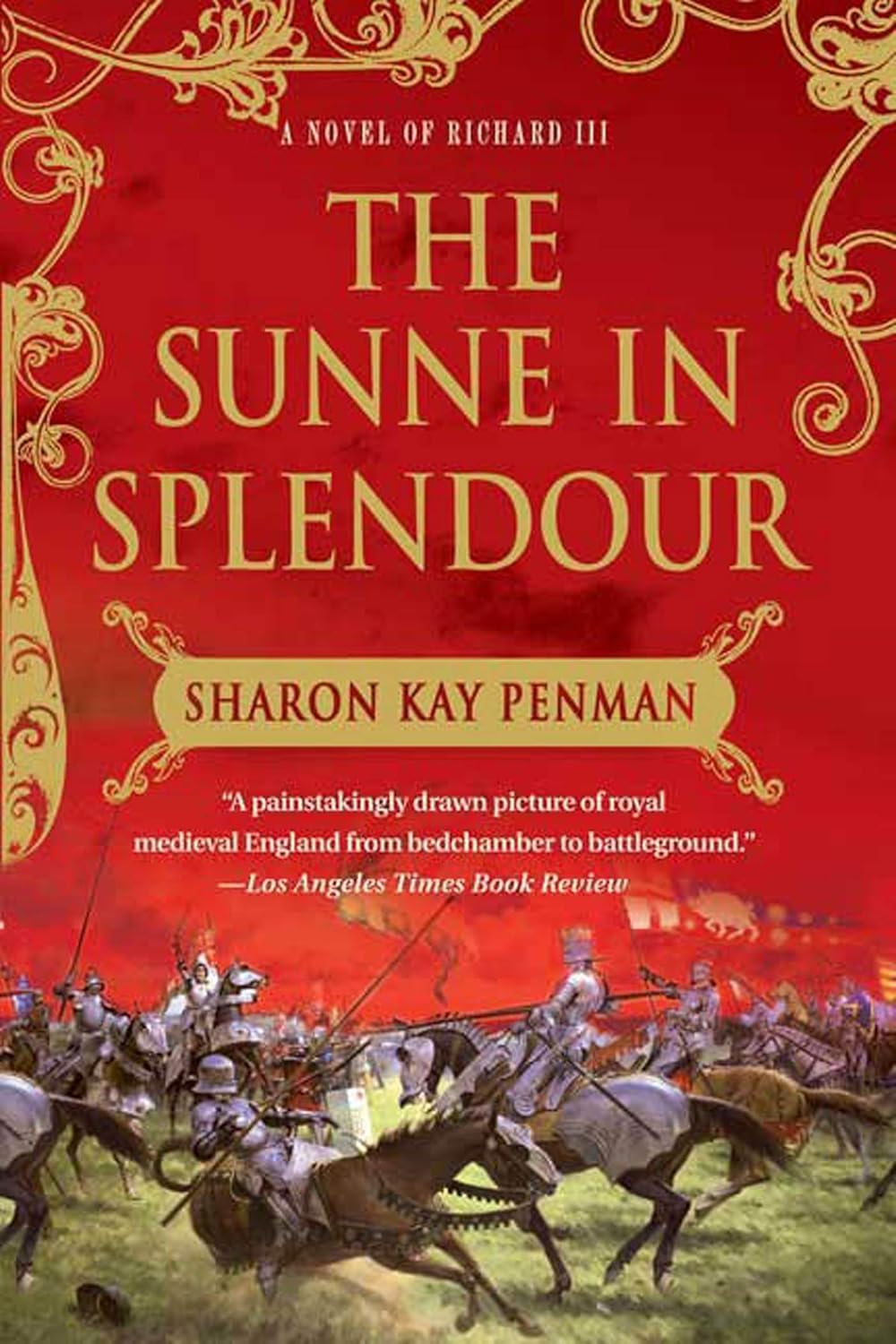
Setting: Wars of the Roses, England 1459-1485
Why It’s Essential: Penman’s ambitious novel tells the story of the Wars of the Roses from the Yorkist perspective, with a particular focus on Richard III. At over 900 pages, it thoroughly explores the complex dynastic struggles between the Yorkists and the Lancastrians, challenging Shakespeare’s portrayal of Richard as a villain while maintaining historical complexity.
What Makes It Special: Penman is known for exhaustive research and refusal to simplify medieval politics. The Sunne in Splendour doesn’t pick easy heroes or villains; characters are complex, politically motivated, and human. The novel’s length allows deep character development and comprehensive coverage of this turbulent period.
Perfect for readers who love political intrigue, those interested in the Wars of the Roses, fans of Richard III, and those seeking comprehensive historical detail over fast-paced storytelling.
[Buy Book: The Sunne in Splendour]
10. Hild by Nicola Griffith
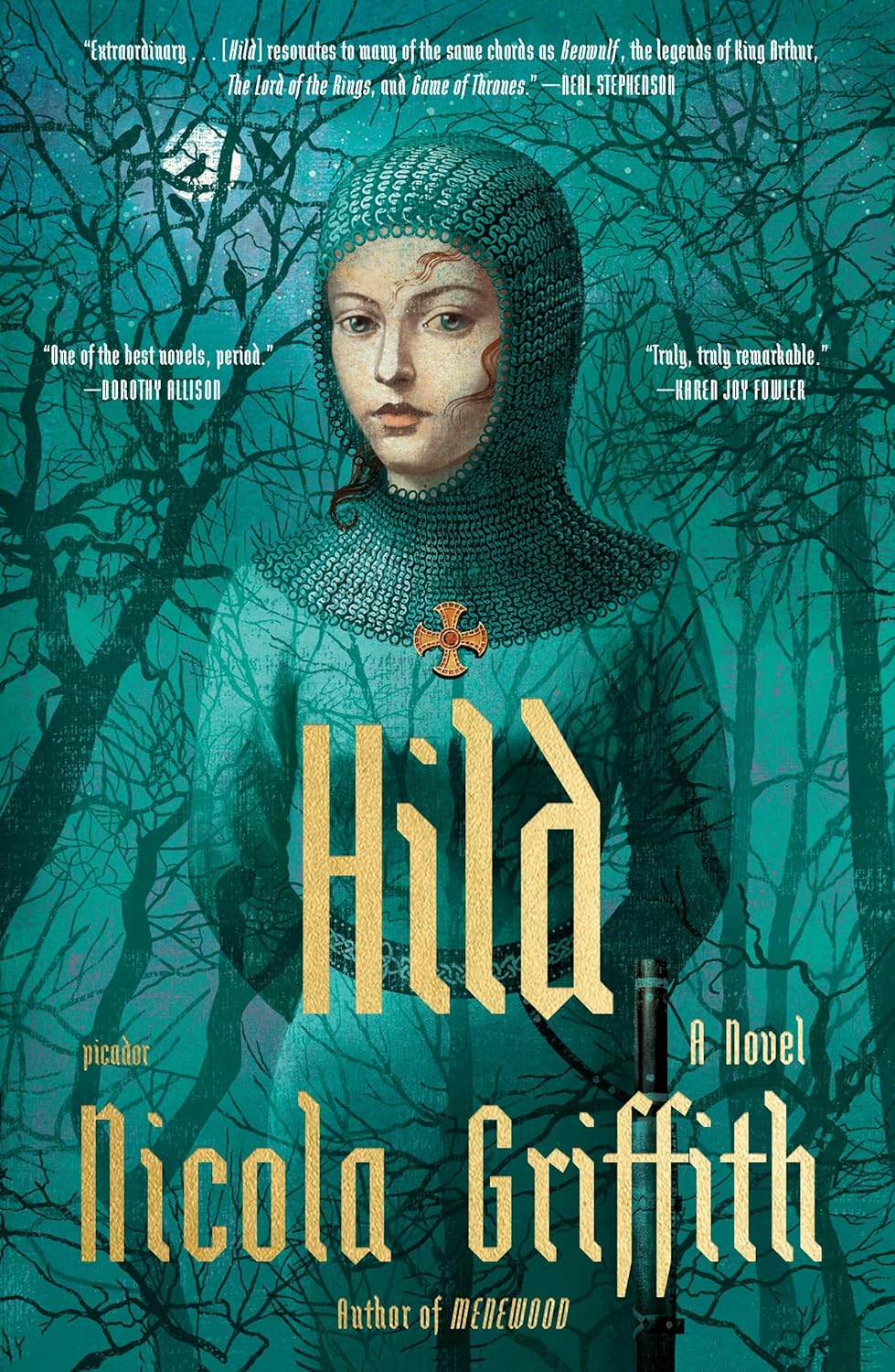
Setting: 7th-century Britain (Dark Ages)
Why It’s Essential: Based on the historical Saint Hild of Whitby, Griffith’s novel imagines the childhood and young adulthood of this remarkable woman who became one of the most powerful figures in Anglo-Saxon England. The novel explores pre-Christian and early Christian Britain, as well as the political maneuvering of a brilliant woman navigating limited options.
What Makes It Special: Hild stands out for its focus on an early medieval woman and its evocative depiction of Dark Ages Britain, a period rarely covered in fiction. Griffith’s prose is literary and immersive, bringing an often-overlooked era to vivid life. Hild herself is a compelling protagonist, observant, intelligent, and strategic.
Perfect For: Readers interested in women’s medieval history, Dark Ages setting, literary historical fiction, early Christianity in Britain, and character-driven narratives.
[Buy Book: Hild]
11. The Mists of Avalon by Marion Zimmer Bradley
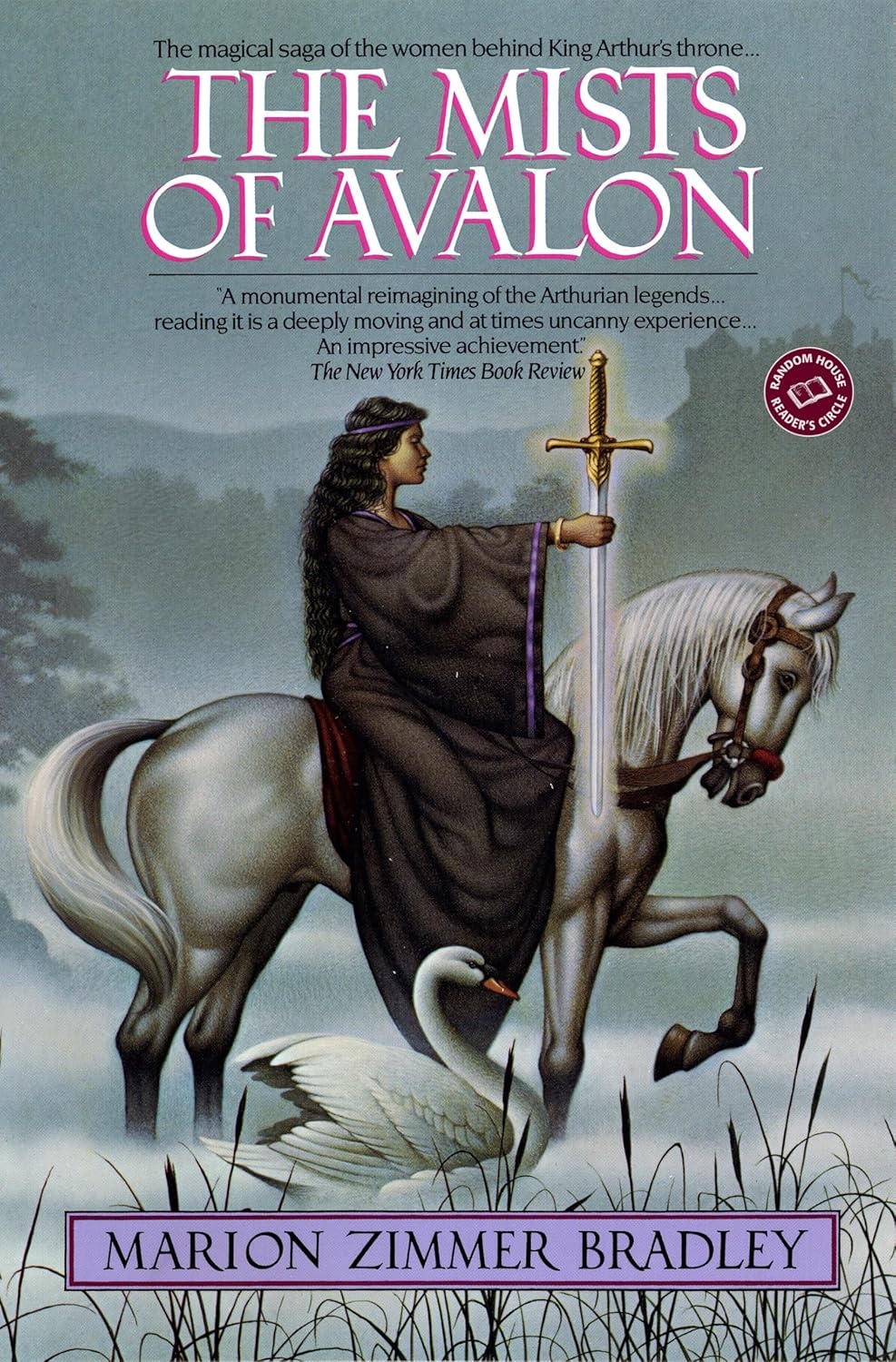
Setting: Arthurian Britain, 5th-6th century
Why It’s Essential: Bradley’s feminist retelling of Arthurian legend from the female characters’ perspectives, primarily Morgan le Fay, reimagines the familiar stories through the eyes of women. The conflict between the old pagan religion and the new Christianity becomes central, with Avalon representing the dying traditions of goddess worship.
What Makes It Special: This landmark novel gave voice to characters previously relegated to supporting roles, making Morgaine, Guinevere, and other women central to Arthur’s story. While incorporating fantasy elements (magic, priestess training), it explores historical themes of religious change and women’s power in patriarchal societies.
Perfect For: Readers seeking feminist perspectives on medieval legends, those interested in pagan/Christian conflict, Arthurian legend enthusiasts, and readers who enjoy fantasy-historical blends.
[Buy Book: The Mists of Avalon]
12. A Distant Mirror: The Calamitous 14th Century by Barbara Tuchman
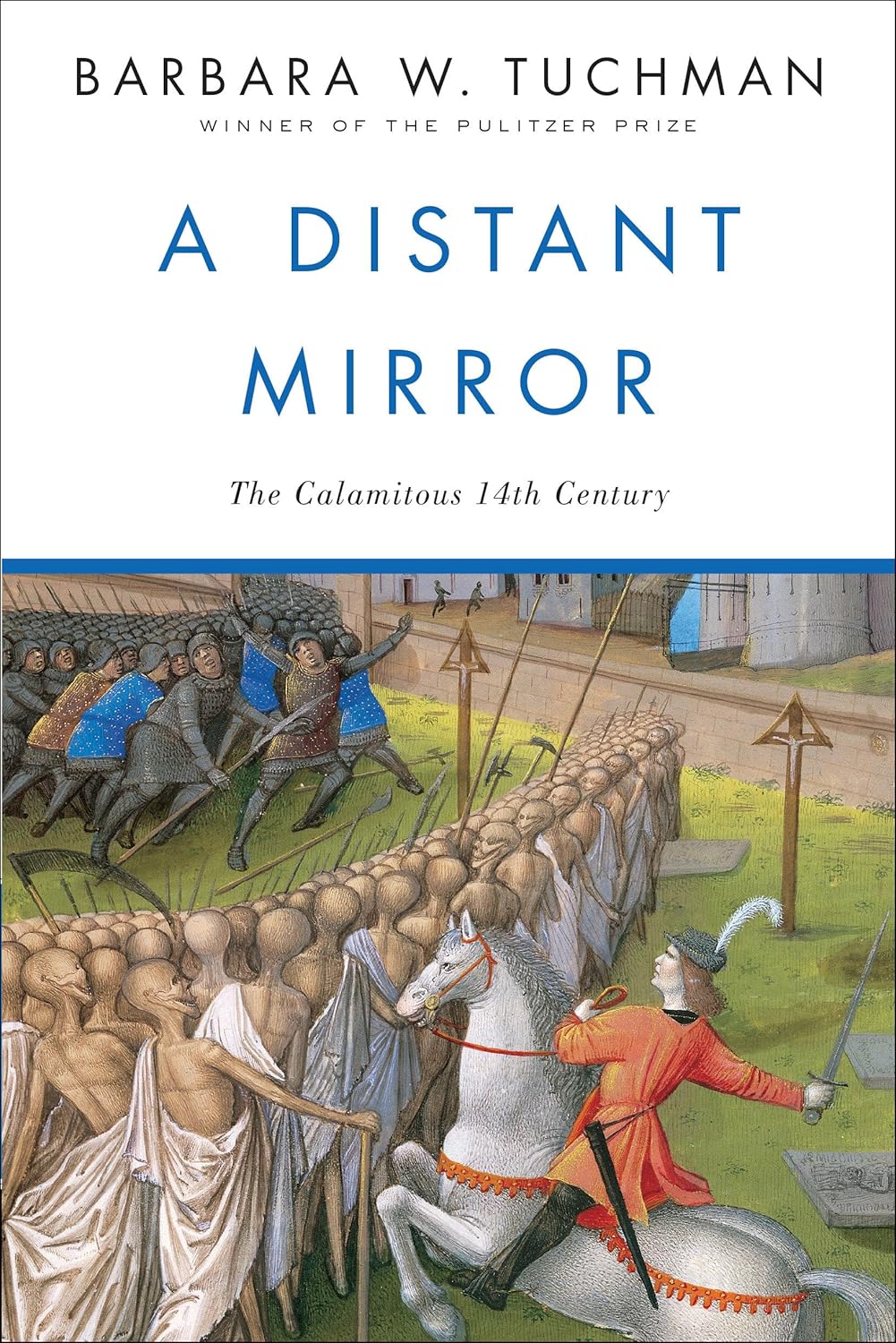
Setting: 14th-century France and Europe (1300s)
Why It’s Essential: While technically narrative non-fiction rather than a novel, Tuchman’s masterwork reads like historical fiction. Following French knight Enguerrand de Coucy VII through the catastrophic 14th-century events of the Black Death, Hundred Years’ War, peasant revolts, and papal schism, Tuchman makes medieval history deeply engaging.
What Makes It Special: Tuchman’s writing brings the medieval world alive with novelistic vividness while maintaining scholarly accuracy. The book’s thesis, that the 14th century mirrors our own turbulent times, makes medieval history feel relevant. Essential reading for anyone serious about understanding the medieval period.
Perfect for: Readers who enjoy narrative nonfiction, those seeking a deep historical understanding, individuals interested in the 14th century specifically, and readers looking for context for medieval fiction.
[Buy Book: A Distant Mirror]
13. The Grail Quest Series by Bernard Cornwell (4 books)
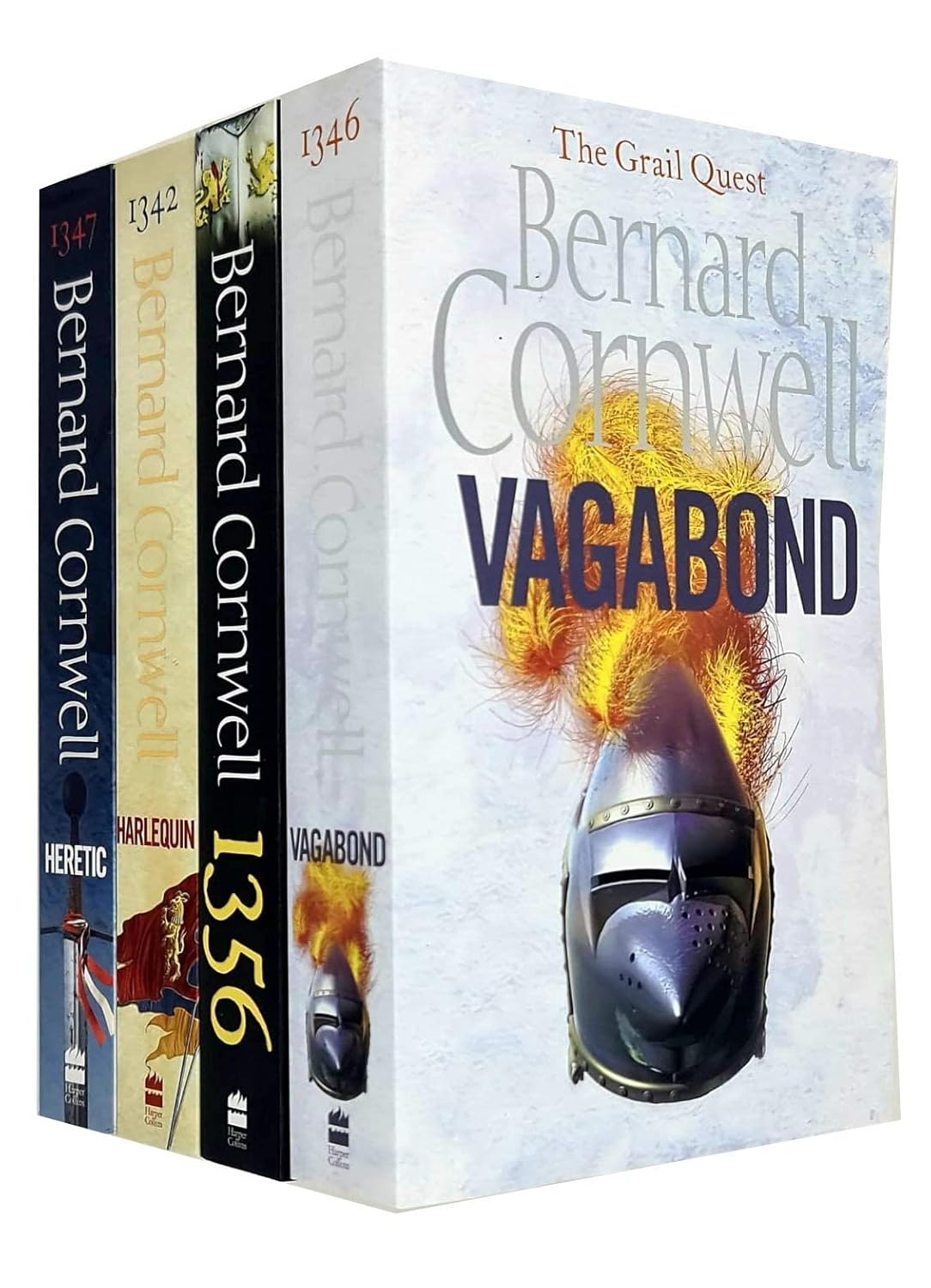
Setting: Hundred Years’ War, early 15th century (1415)
Why It’s Essential: Beginning with 1356 and culminating in Azincourt, Cornwell’s series follows English archer Thomas Hookton through the Hundred Years’ War, including the famous Battle of Agincourt. As always, Cornwell delivers meticulously researched medieval warfare with particular attention to the revolutionary longbow.
What Makes It Special: Cornwell makes medieval military technology fascinating. His detailed explanations of longbow tactics, armor penetration, and battlefield formations are both educational and entertaining. The protagonist’s journey from a common archer to a knight exemplifies medieval social mobility through the medium of military service.
Perfect For: Military history enthusiasts, readers who love battle scenes, those interested in the Hundred Years’ War, and fans of Cornwell’s other medieval works.
[Buy Series: The Grail Quest Collection]
14. The Maid by Kimberly Cutter
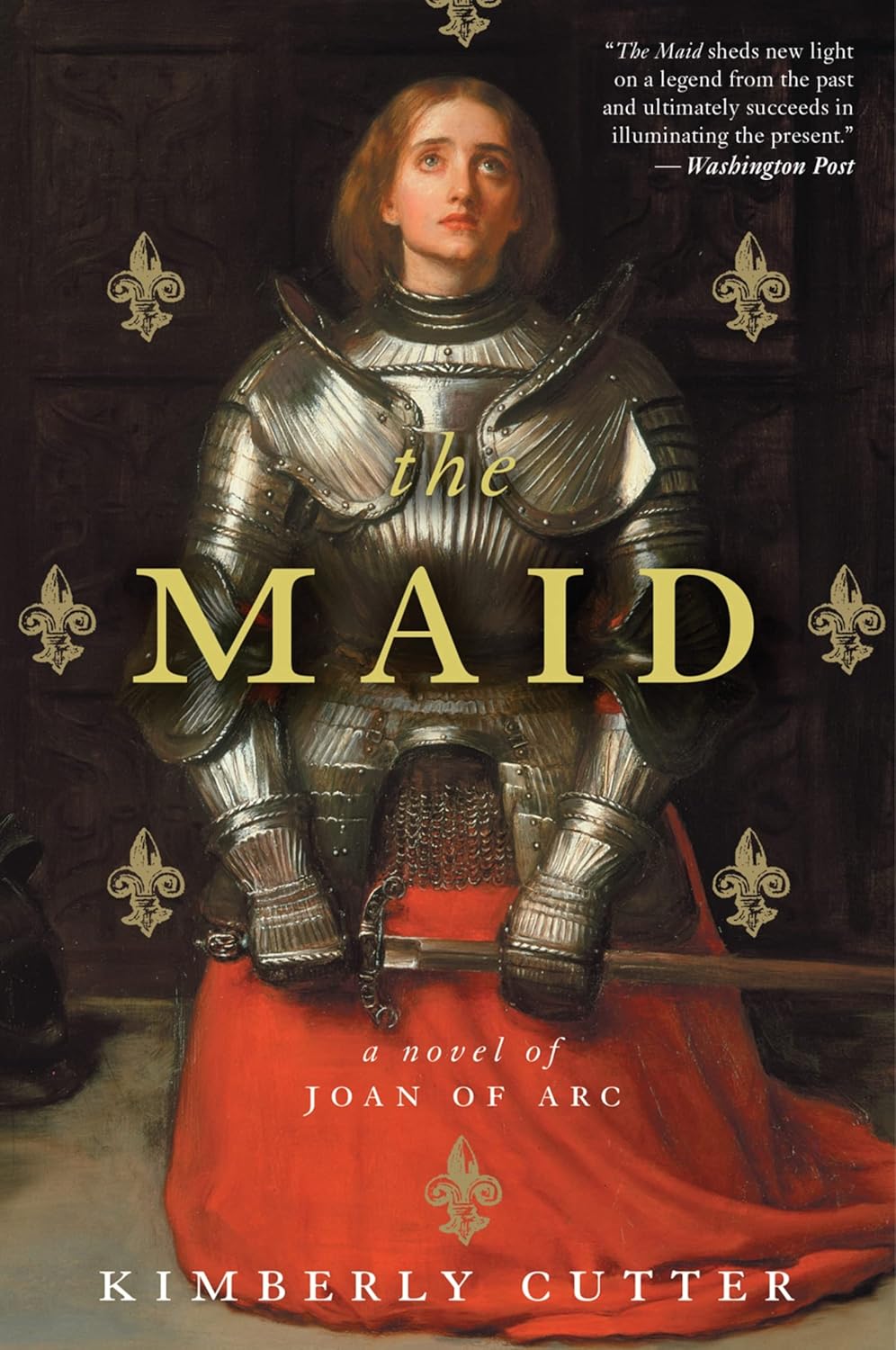
Setting: France during the Hundred Years’ War (1412-1431)
Why It’s Essential: A vivid reimagining of Joan of Arc’s life, from peasant girl to military leader to martyrdom. Cutter explores Joan’s religious visions, her unlikely military successes, and her ultimate betrayal and execution, making this legendary figure feel human and real.
What Makes It Special: Rather than simply recounting known facts, Cutter imagines Joan’s interior life, her faith, her fears, her physical experiences as a teenage girl leading armies. The novel balances historical events with psychological depth, neither dismissing Joan’s visions as delusions nor presenting them as unquestionably divine.
Perfect For: Readers interested in Joan of Arc, those drawn to strong female protagonists, medieval France, religious history, and biographical historical fiction.
[Buy Book: The Maid]
15. Between Two Fires by Christopher Buehlman
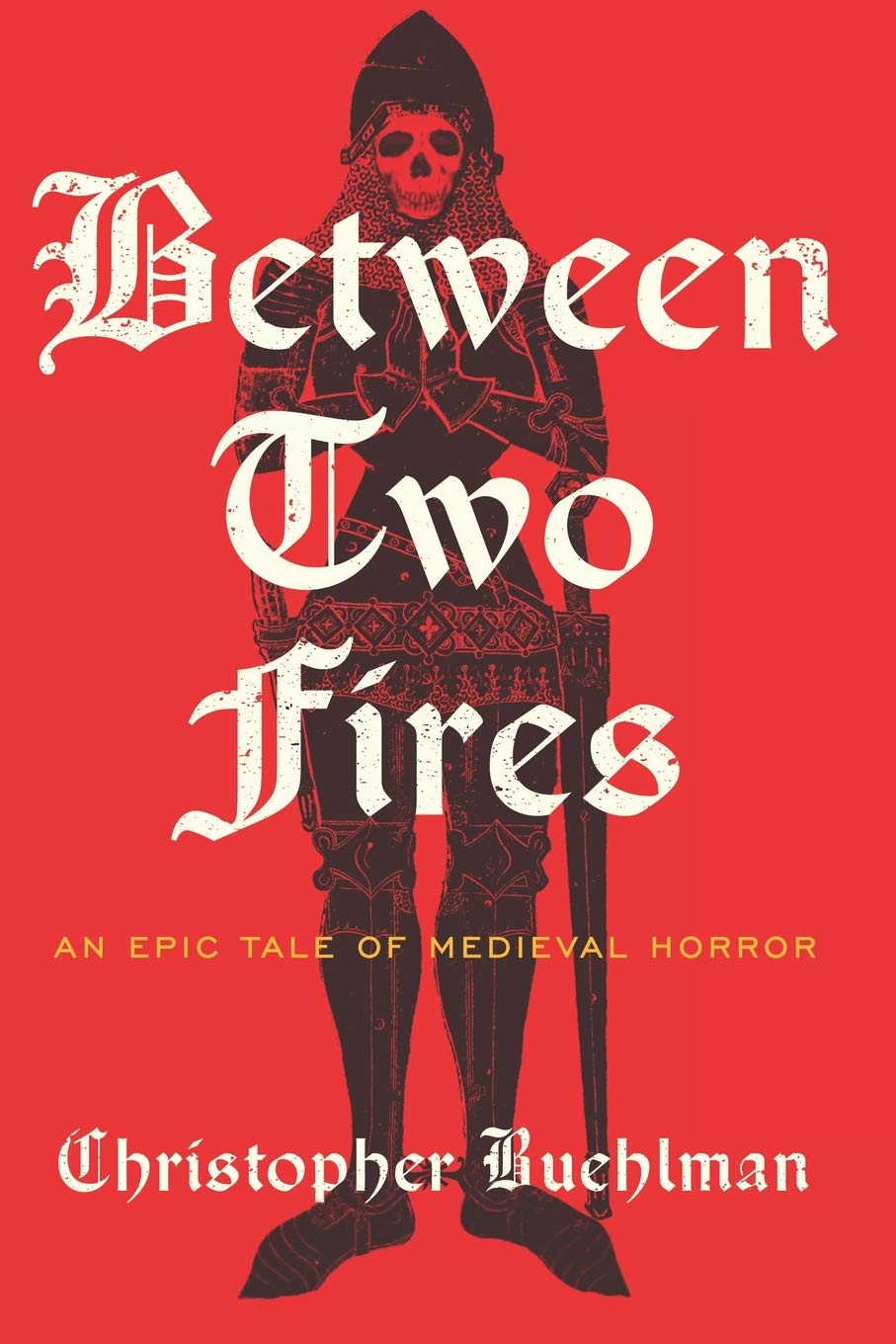
Setting: France during Black Death (1348)
Why It’s Essential: A disgraced knight and a mysterious young girl journey through plague-ravaged France in this dark, visceral novel that blends historical accuracy with horror elements. While technically containing supernatural elements, the horror of the Black Death needs little embellishment, and Buehlman’s medieval setting is thoroughly researched.
What Makes It Special: This is medieval historical fiction for readers who want something darker and more unsettling. The Black Death sections are historically accurate and genuinely horrifying. The novel captures the apocalyptic feeling of the plague years, when people believed the world was coming to an end.
Perfect For: Readers who enjoy darker historical fiction, those interested in the Black Death, horror fans seeking historical settings, and readers open to supernatural elements in medieval settings.
[Buy Book: Between Two Fires]
Medieval Sub-Genres to Explore
Crusades Fiction
The Crusades offer dramatic East-West conflict, religious fervor, and military action:
- The Knights Templar series by Jack Whyte
- Ironfire by David Ball
- The Brethren trilogy by Robyn Young
Monastic Life
Medieval monasteries and religious orders provide intimate settings:
- The Cadfael Chronicles by Ellis Peters (medieval mysteries)
- The Name of the Rose by Umberto Eco
- Dissolution by C.J. Sansom
Medieval Romance
For readers seeking love stories in medieval settings:
- Katherine by Anya Seton
- Medieval romances by Elizabeth Chadwick
- Arthurian romances (various authors)
Dark Ages Fiction
The often-overlooked early medieval period:
- The Last Kingdom series by Bernard Cornwell
- The Warlord Chronicles by Bernard Cornwell
- Hild by Nicola Griffith
Tips for Reading Medieval Fiction
Start Accessibly
If you’re new to medieval fiction, begin with more accessible novels like The Pillars of the Earth or The Last Kingdom before tackling denser works like The Name of the Rose.
Don’t Fear Length
Many of the best medieval novels are long (700+ pages) because the period requires extensive world-building. Embrace epic scope—these lengthy books often prove most satisfying.
Accept Period-Appropriate Elements
Medieval fiction includes violence, religious fervor, limited roles for women, and other period realities that may challenge modern sensibilities. The best authors present these aspects honestly without glorifying them.
Explore Different Eras
“Medieval” spans a thousand years. Viking-age Britain (9th century) differs vastly from late medieval England (15th century). Explore various medieval periods to appreciate the era’s diversity.
Mix Fact and Fiction
Supplement historical novels with narrative nonfiction (such as Tuchman’s A Distant Mirror) to deepen your understanding and appreciation of the period.
Why Medieval Historical Fiction Endures
The enduring popularity of the medieval period in historical fiction stems from multiple factors. The era offers visual distinctiveness, castles, armor, and banners that immediately signal “medieval” to readers. It provides clear, dramatic conflicts: religious wars, dynastic struggles, plague, and feudal tensions.
The period also occupies a sweet spot in historical distance. It’s far enough removed to feel exotic and adventurous, yet close enough (especially the late medieval period) that customs and concerns remain somewhat recognizable. Medieval people worried about family, security, faith, and ambition, universal concerns readers understand.
Furthermore, the medieval period witnessed foundational developments in Western civilization, including the rise of universities, Gothic architecture, parliamentary government, and vernacular literature. Reading medieval fiction connects us to the roots of modern institutions and ideas.
Finally, medievalness itself has become a genre marker. Readers know what to expect: castles and cathedrals, knights and clergy, battles and political intrigue. This familiar framework allows authors creative freedom within recognizable boundaries.
Conclusion
Medieval historical fiction offers some of the genre’s most immersive and epic reading experiences. From Bernard Cornwell’s visceral battle scenes to Ken Follett’s architectural marvels, from intimate portraits of saints to sweeping dynastic sagas, these fifteen novels showcase the range and richness of medieval storytelling.
Whether you’re drawn to the clash of swords, the building of cathedrals, the complexities of medieval politics, or the daily lives of people navigating an often brutal world, medieval historical fiction has something to offer. The Middle Ages were far from dark; they were vibrant, dramatic, and endlessly fascinating.
Start with The Pillars of the Earth if you want epic scope and accessible storytelling, The Last Kingdom if you crave action and adventure, or The Name of the Rose if you prefer intellectual depth. Whichever you choose, you’ll be embarking on a journey to one of history’s most compelling eras.
The medieval world awaits, castle gates open, battle lines drawn, cathedral spires rising toward the sky.
Frequently Asked Questions
What is the best medieval historical fiction book?
The Pillars of the Earth by Ken Follett is widely regarded as one of the best medieval historical fiction novels. Its combination of accessible writing, epic scope, memorable characters, and fascinating historical detail makes it the perfect introduction to medieval fiction. However, “best” depends on preferences. The Last Kingdom by Bernard Cornwell is better suited to readers seeking battle-focused action.
Are Bernard Cornwell’s medieval books historically accurate?
Yes, Bernard Cornwell’s medieval novels are extensively researched and historically accurate in their portrayal of warfare, weapons, tactics, and major historical events. He occasionally compresses timelines or creates composite characters for narrative purposes, but his depictions of medieval military life, Viking culture, and Dark Ages Britain are considered highly authentic by historians.
What order should I read Ken Follett’s medieval books?
Start with The Pillars of the Earth (12th century, Kingsbridge cathedral construction), then read World Without End (14th century, Black Death in Kingsbridge), followed by A Column of Fire (16th century, religious conflicts). While each works as a standalone, reading in publication order provides the most satisfying experience as the same location evolves across centuries.
Is medieval historical fiction suitable for young adults?
It depends on the book. Medieval historical fiction often contains violence, sexual content, and mature themes reflecting period realities. The Last Kingdom series and The Pillars of the Earth contain adult content. For younger readers, try The Door in the Wall by Marguerite de Angeli or Crispin: The Cross of Lead by Avi, medieval novels written specifically for young audiences.
What’s the difference between medieval fantasy and medieval historical fiction?
Medieval historical fiction is set in actual historical periods, with events that could have plausibly occurred, although the characters may be fictional. Medieval fantasy uses medieval-inspired settings (castles, knights, kingdoms) but includes magic, mythical creatures, and invented worlds. The Pillars of the Earth is a historical fiction novel; Game of Thrones is a medieval fantasy series.
Why is the medieval period so popular in historical fiction?
The medieval period offers visual distinctiveness (castles, armor, knights), dramatic conflicts (religious wars, plagues, dynastic struggles), and epic scope spanning centuries. It’s distant enough to feel exotic yet close enough to remain accessible. The era also established many modern institutions and includes fascinating historical figures and events, providing rich material for compelling stories.
Can you recommend medieval historical fiction with strong female characters?
Yes: Katherine by Anya Seton (historical Katherine Swynford), Hild by Nicola Griffith (Saint Hild of Whitby), The Mists of Avalon by Marion Zimmer Bradley (Arthurian women), The Maid by Kimberly Cutter (Joan of Arc), and medieval novels by Elizabeth Chadwick and Sharon Kay Penman often feature powerful women navigating limited medieval options.
What’s the best medieval mystery series?
The Cadfael Chronicles by Ellis Peters is the most beloved medieval mystery series. Set in 12th-century Shrewsbury, the series follows monk-detective Brother Cadfael solving murders while navigating the political turmoil of The Anarchy. For a darker take, try C.J. Sansom’s Shardlake series, set in Tudor England (technically early modern, but often grouped with medieval mysteries).


