
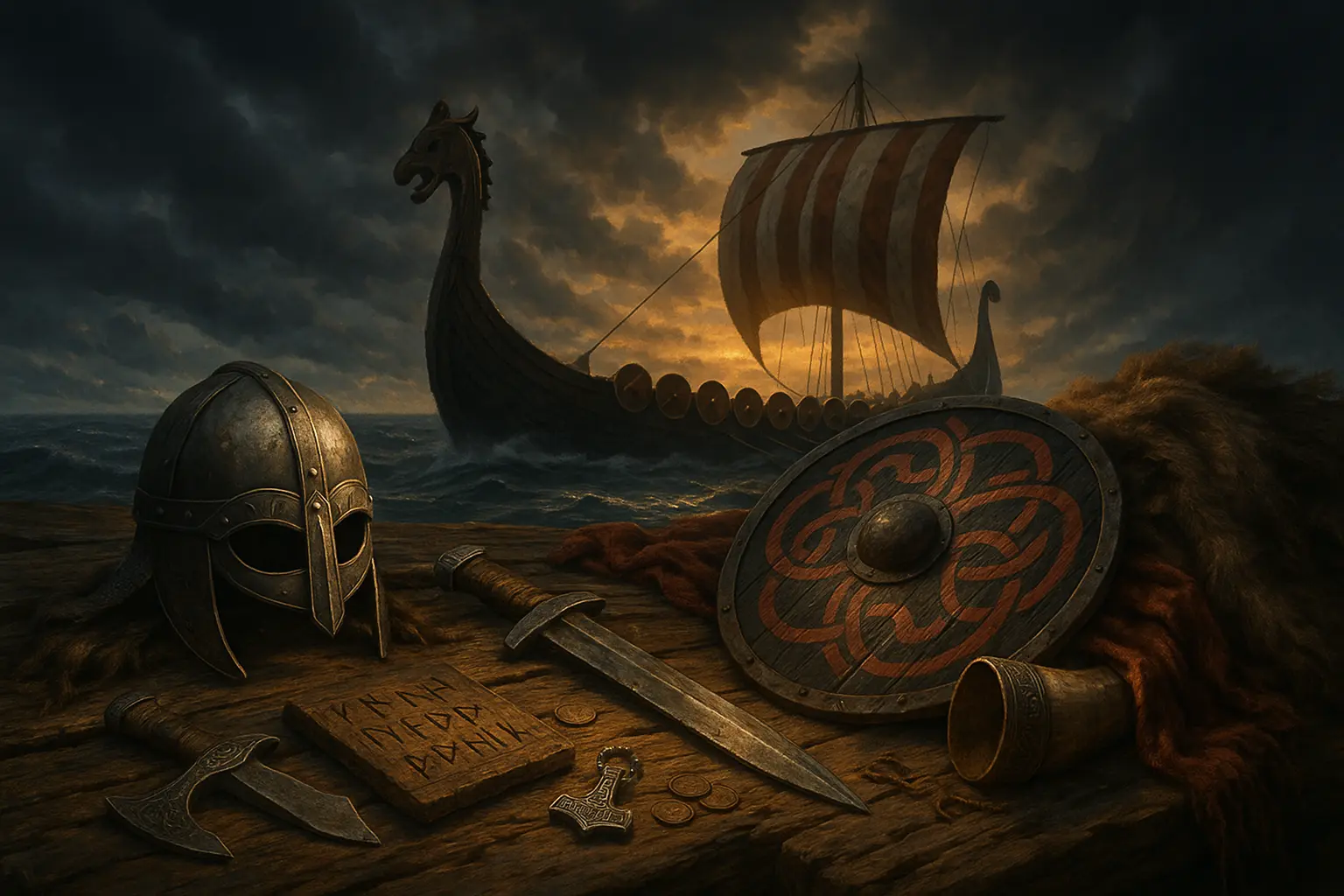

The Viking Age, roughly spanning 793 to 1066 AD, represents one of history’s most captivating periods. Norse warriors sailed from Scandinavia to raid, trade, and settle across Europe, reaching as far as North America centuries before Columbus. Their culture, which includes warriors, poets, and explorers, their dramatic mythology, and their sophisticated seafaring technology, continues to fascinate readers worldwide.
Viking historical fiction offers everything history enthusiasts crave: epic battles and raids, exploration and adventure, complex honor codes, rich mythology, and the clash of pagan Norse culture with the emerging Christian faith. From Bernard Cornwell’s gritty Saxon Stories to scholarly retellings of Icelandic sagas, these novels bring the Viking Age vividly to life.
Whether you’re drawn to shield-wall battles, longship voyages across storm-tossed seas, Norse mythology woven into historical narratives, or the cultural collision as Vikings encountered Saxon England, Francia, and Orthodox Russia, these novels capture the Viking spirit while maintaining historical authenticity.
This comprehensive guide presents twelve essential Viking historical fiction novels, spanning from the early raids to the twilight of the Viking Age. Each captures different aspects of Norse culture while delivering the compelling storytelling that makes the past feel immediate and alive.
Disclosure: This article contains affiliate links. We earn from qualifying purchases at no extra cost to you.What Makes Great Viking Historical Fiction?
Before exploring our recommendations, let’s examine what distinguishes excellent Viking fiction from merely adequate attempts.
Historical Authenticity vs. Popular Mythology
Popular culture often depicts Vikings with inaccurately horned helmets (never worn in battle), mindless berserkers, and a constant focus on raiding. Great Viking fiction balances dramatic storytelling with historical accuracy: spangenhelm helmets, sophisticated naval technology, complex social structures, and the reality that Vikings were traders and farmers as much as raiders.
Norse Culture and Values
The best novels capture the Viking worldview, including an honor-based society, warrior culture, the importance of reputation and lineage, the complex relationship with fate (wyrd), and the tension between pagan traditions and the encroaching influence of Christianity. Understanding what Vikings valued makes their choices and conflicts meaningful.
Saga Tradition
Norse sagas, epic narratives of families, heroes, and feuds, influence the best Viking fiction. These novels often adopt a saga-like storytelling style, characterized by episodic structure, matter-of-fact violence, an emphasis on lineage and family honor, and a sense that individuals exist within larger patterns of fate.
Naval and Military Realism
Viking success depended on revolutionary longship design and effective military tactics, such as the shield wall. Novels that accurately depict Norse warfare and seafaring without glorifying violence or oversimplifying combat help readers understand the effectiveness of the Vikings.
Cultural Collision
Many of the best Viking novels explore cultural encounters, such as Norse pagans meeting Christian Saxons, Scandinavian raiders settling in Ireland or France, and Vikings serving Byzantine emperors. These collisions create natural dramatic tension and explore themes of cultural change and adaptation.
Mythology and Religion
Norse mythology, Odin, Thor, Valhalla, Ragnarök, was integral to Viking identity. Great Viking fiction seamlessly weaves mythology into stories, demonstrating how religious beliefs influenced actions without compromising historical accuracy.
The 12 Best Viking Historical Fiction Novels
1. The Last Kingdom by Bernard Cornwell
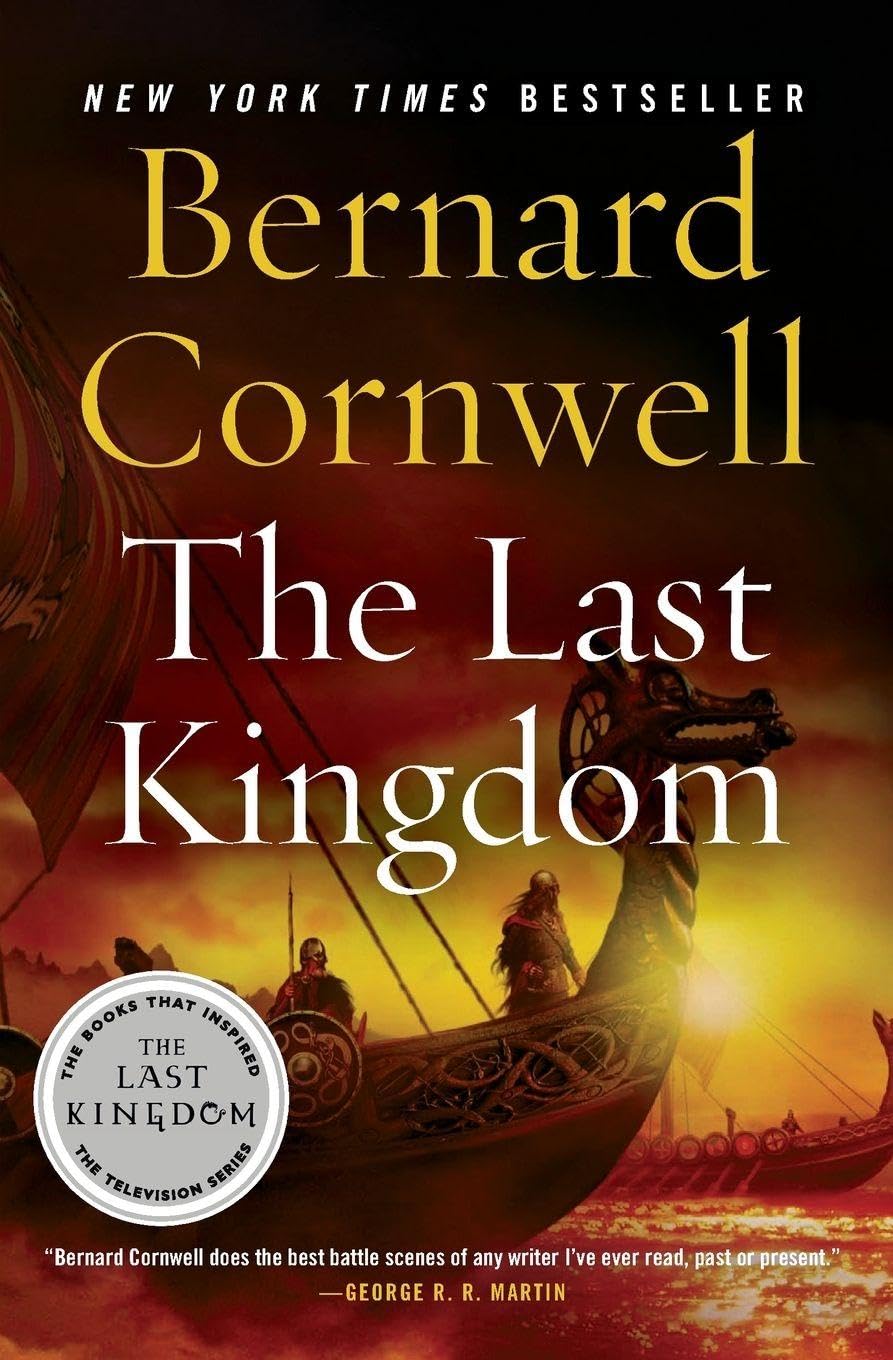
Setting: England, 866-877 AD (early Viking invasions)
Why It’s Essential: The first in Cornwell’s Saxon Stories series (comprising 13 books in total), The Last Kingdom introduces Uhtred of Bebbanburg, a Saxon nobleman captured and raised by the Danes, who must navigate conflicting loyalties as Vikings conquer Anglo-Saxon England. Uhtred serves Alfred the Great while maintaining deep connections to his Danish upbringing and pagan beliefs.
What Makes It Special: Cornwell is the undisputed master of military historical fiction. His depictions of shield-wall combat, Viking raids, and siege warfare are visceral, thoroughly researched, and historically accurate. The series explores the collision between Norse pagan culture and Saxon Christianity through Uhtred’s torn identity. Fast-paced, action-packed, and spanning decades of Viking Age England, this series epitomizes the warrior’s tale.
Perfect For: Readers seeking battle-focused action, those interested in Viking-Saxon conflicts, fans of warrior protagonists with divided loyalties, and anyone who watched the Netflix adaptation and wants more.
2. The Sea Road by Margaret Elphinstone
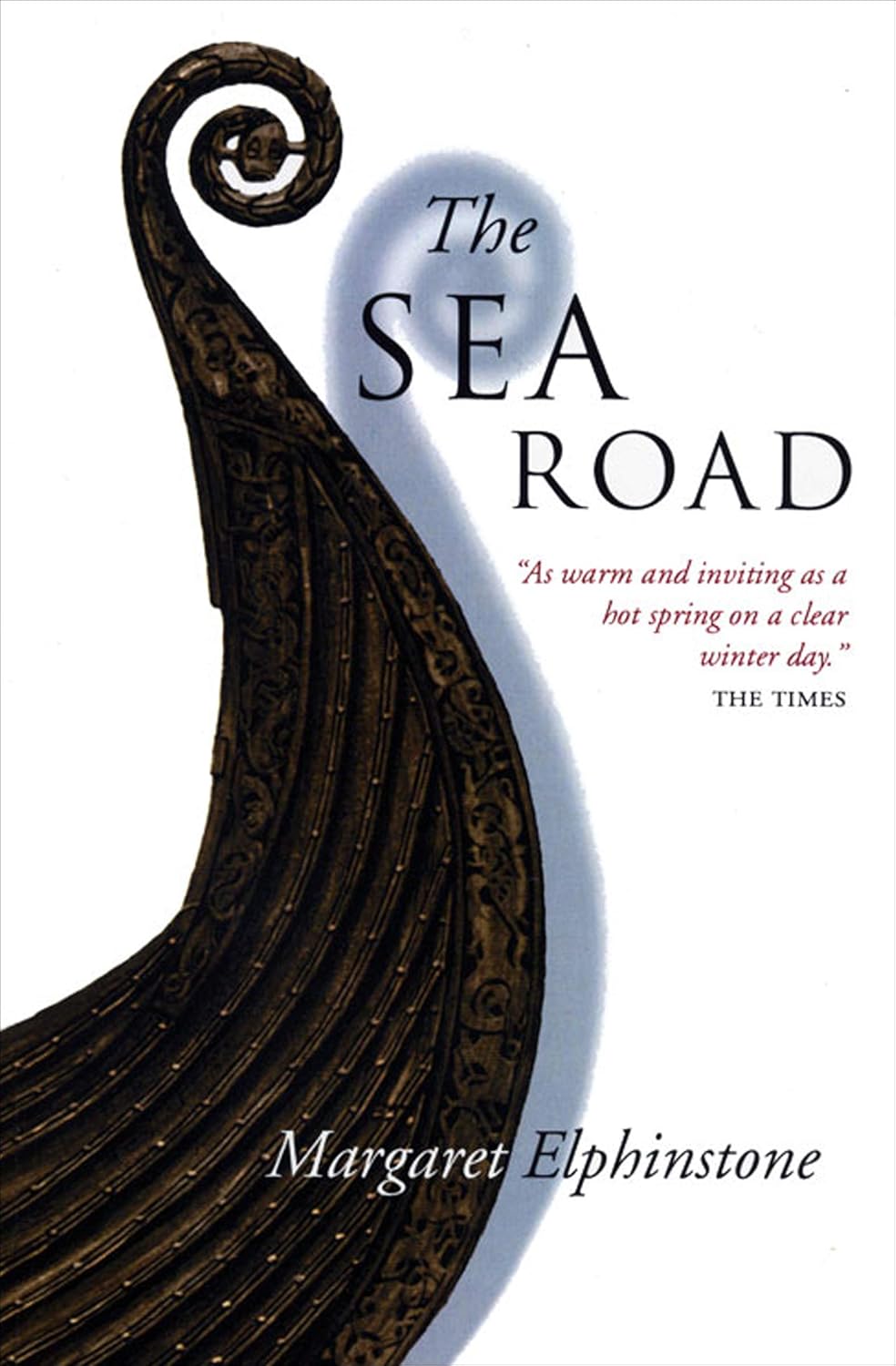
Setting: North Atlantic, Greenland to Vinland, circa 1000 AD
Why It’s Essential: Based on Icelandic sagas about Gudrid Thorbjarnardóttir, one of the most-traveled women of the Middle Ages, The Sea Road follows this remarkable Norse woman from Iceland to Greenland to North America (Vinland). Elphinstone reimagines Gudrid’s life through historical evidence and saga traditions, creating a literary exploration of the concept of exploration itself.
What Makes It Special: Viking fiction often focuses on male warriors; The Sea Road centers on a female protagonist whose travels rivaled any man’s. Elphinstone’s literary approach and focus on exploration, settlement, and family rather than warfare offer a different Viking Age perspective. The novel’s depiction of Norse voyages to Vinland (North America) illuminates one of history’s most remarkable achievements.
Perfect for: Readers seeking female protagonists, those interested in Norse exploration rather than warfare, literary historical fiction enthusiasts, and anyone fascinated by Vikings’ voyages to North America.
3. Raven: Blood Eye by Giles Kristian
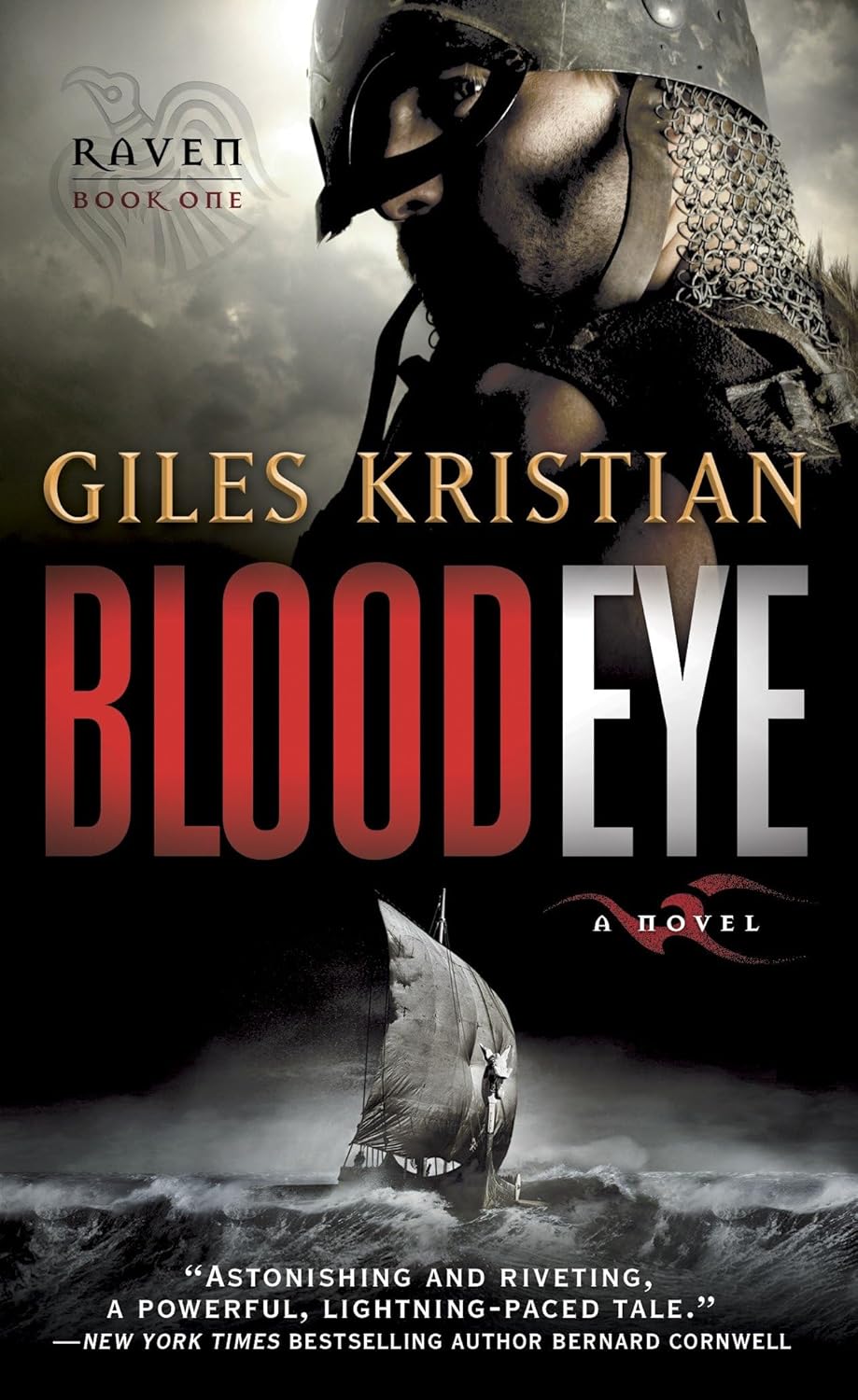
Setting: Norway and England, circa 802 AD
Why It’s Essential: Young Osric, cast out from his village for being different, joins a notorious Viking crew led by the legendary warrior Sigurd the Lucky. Kristian’s debut introduces readers to Viking life from the inside the shipboard brotherhood, pagan rituals, battle frenzy, and the brutal realities of raiding. The first in the Raven trilogy follows Osric’s transformation from outcast to warrior.
What Makes It Special: Kristian brings visceral immediacy to Viking warfare and seafaring. His prose is muscular and atmospheric, his battle scenes intense and realistic. The novel doesn’t romanticize Vikings; they’re brutal when necessary, but show them as complex people with honor codes, humor, and loyalty. Kristian’s background in military history shows in authentic combat depictions.
Perfect For: Readers seeking gritty realism, those wanting the Viking perspective rather than the victims’ viewpoint, action enthusiasts, and fans of brotherhood/warrior band narratives.
4. The Long Ships by Frans G. Bengtsson
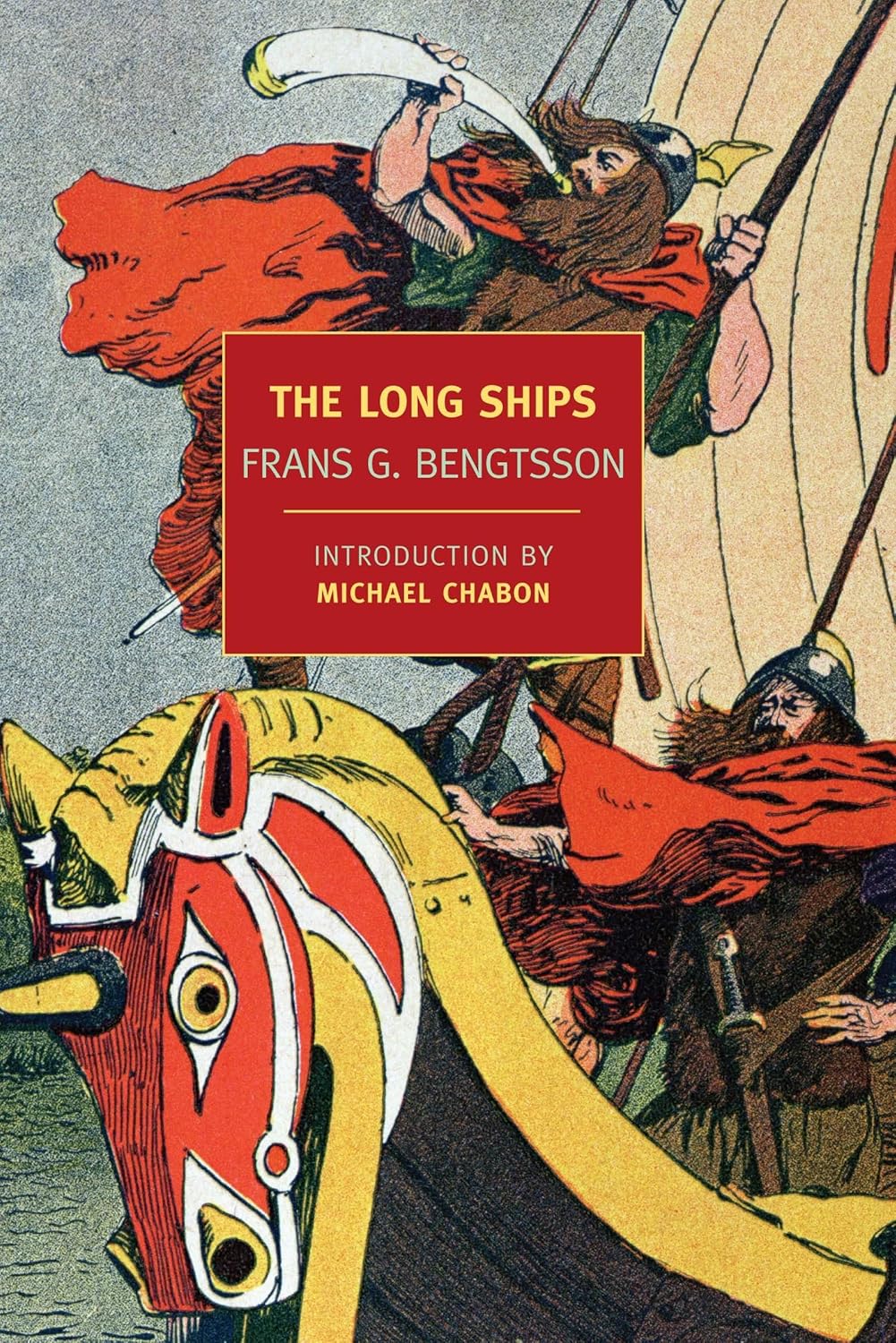
Setting: Scandinavia, Spain, and beyond, late 10th century
Why It’s Essential: Written in Swedish in the 1940s, this classic Viking novel follows Red Orm through adventures spanning the Viking world and beyond. Part picaresque adventure, part historical epic, The Long Ships combines humor, action, and cultural observation as Orm raids in Spain, rows as a galley slave, serves Moorish princes, and eventually returns to Sweden.
What Makes It Special: The Long Ships is beloved for its humor, which is rare in Viking fiction, and its episodic adventure structure reminiscent of the Icelandic sagas. Bengtsson’s wry tone and Orm’s pragmatic personality create an engaging narrator who survives through wit as much as combat prowess. The novel’s scope, spanning the entire Viking world, provides a comprehensive cultural perspective.
Perfect for readers seeking adventure over darkness, those who enjoy humor in historical fiction, fans of episodic narrative structure, and anyone looking for a lighter (yet still historically grounded) Viking tale.
5. The Half-Drowned King by Linnea Hartsuyker
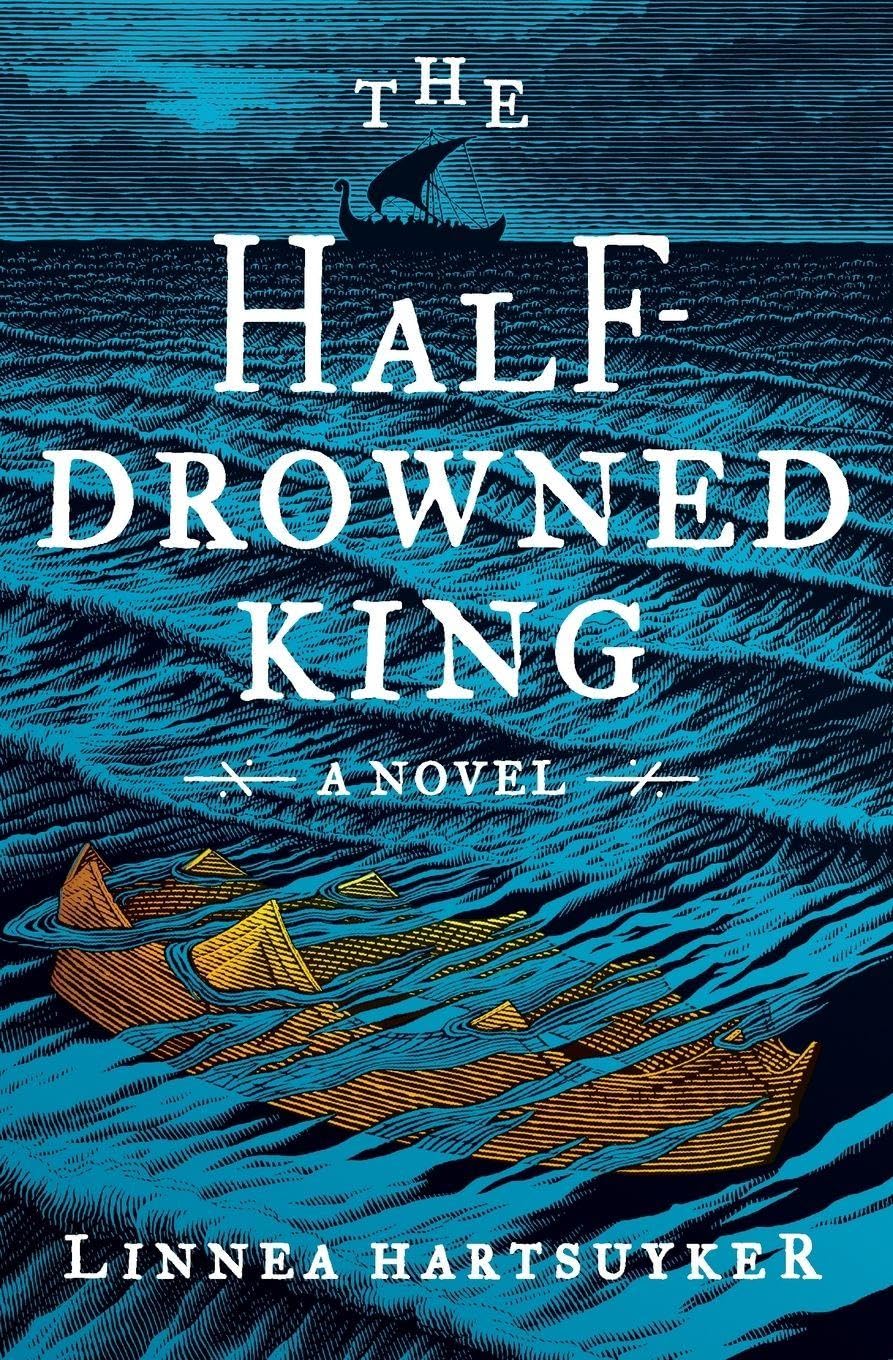
Setting: Norway, circa 872 AD (Harald Fairhair’s unification)
Why It’s Essential: Based on Icelandic sagas about Harald Fairhair (the first king of unified Norway), Hartsuyker’s trilogy begins with siblings Ragnvald and Svanhild navigating the political upheaval as Harald attempts to unite Norway’s fractious kingdoms. The novel explores Viking politics, family loyalty, ambition, and the cost of Norway’s unification.
What Makes It Special: Hartsuyker brings literary sophistication to Viking fiction. Her dual perspective (brother and sister) provides both male warrior and female political viewpoints. The focus on Norwegian politics and state-building rather than overseas raiding offers a fresh perspective. Hartsuyker’s research into saga sources and Norwegian history provides a solid historical foundation.
Perfect for readers interested in Viking politics and the constant warfare that defined them, those seeking literary quality, fans of dual perspectives (male and female), and anyone fascinated by Norway’s unification.
6. God of Vengeance by Giles Kristian
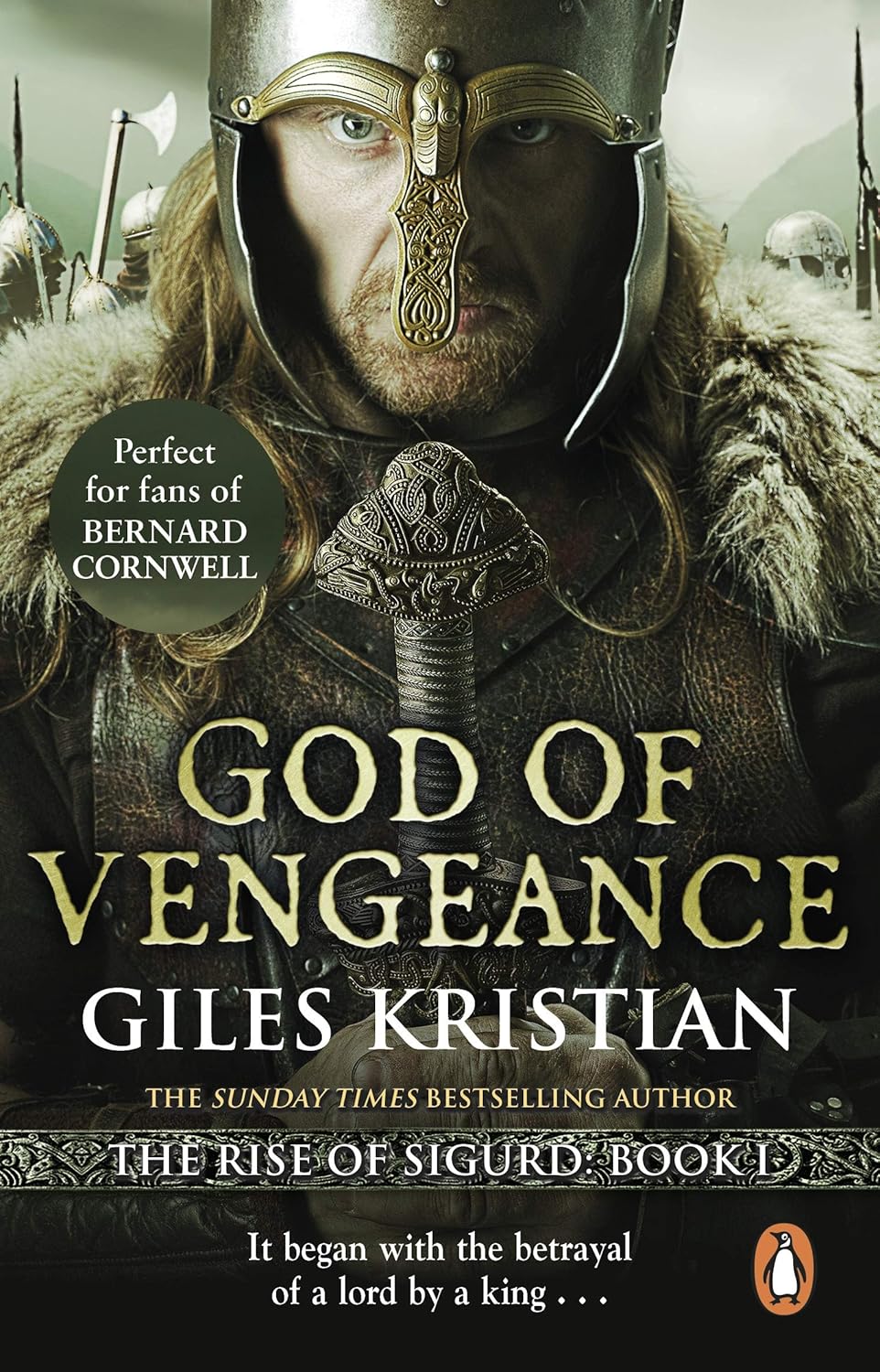
Setting: Norway, circa 785 AD
Why It’s Essential: Young Sigurd witnesses his family’s betrayal and slaughter, escaping to begin building a fellowship (crew) to take vengeance. This standalone prequel to Kristian’s Rise of Sigurd trilogy shows the legendary warrior’s origins. Kristian combines a revenge narrative with Viking Age politics, pagan rituals, and the forging of the warrior band central to Norse culture.
What Makes It Special: God of Vengeance captures the importance of fellowship (the crew/retinue) in Viking culture. Sigurd must earn loyalty, demonstrate leadership, and navigate complex honor codes. Kristian’s depiction of Norse paganism, blood sacrifices, prophecy, and warrior codes feels authentic rather than sensationalized. The novel balances action with character development and political maneuvering.
Perfect For: Readers who loved Kristian’s Raven trilogy, those interested in Viking revenge sagas, fans of warrior band formation stories, and anyone drawn to Norse paganism and mythology.
7. The Whale Road by Robert Low
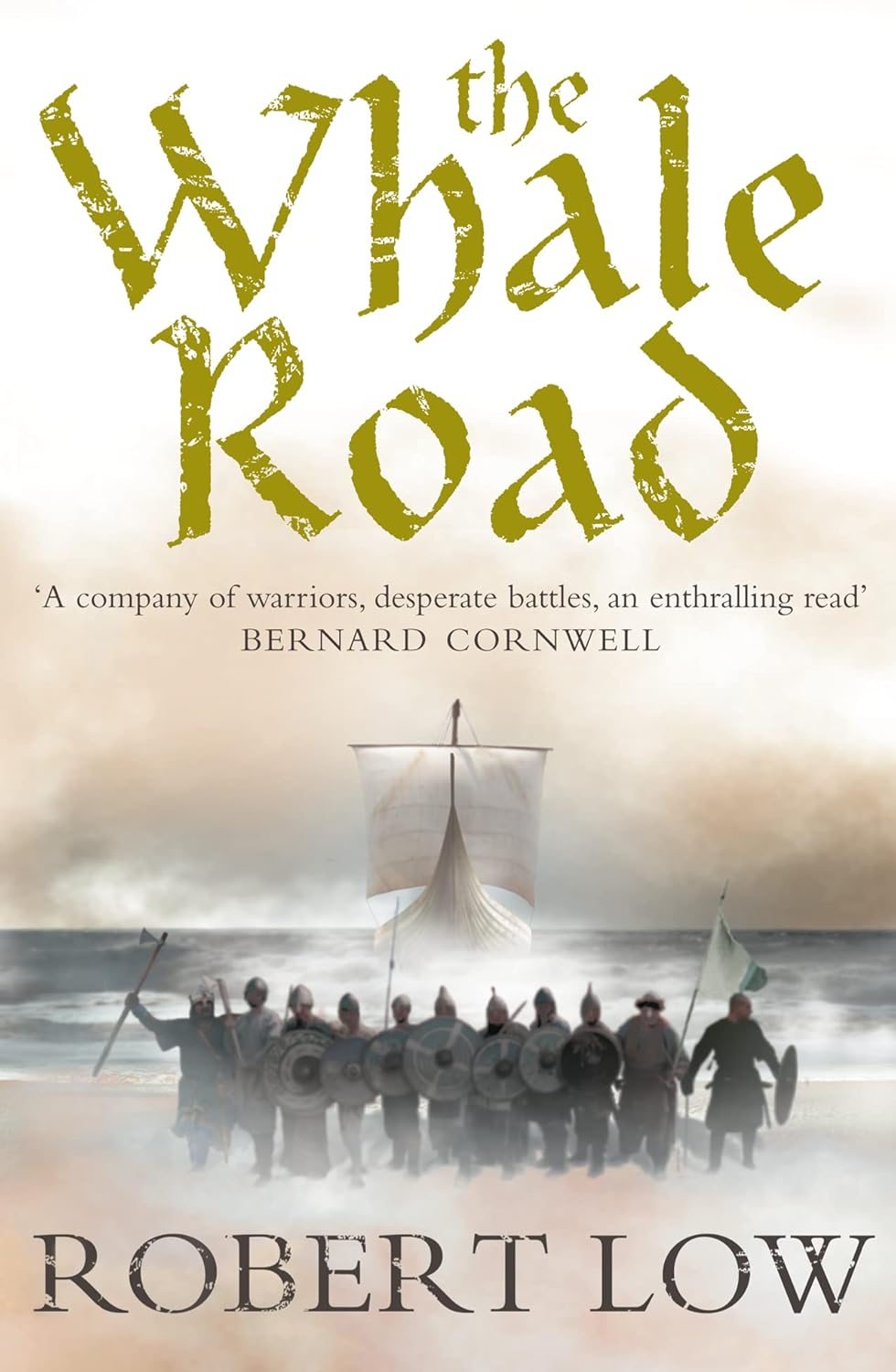
Setting: Scandinavia and beyond, circa 965 AD
Why It’s Essential: First in the Oathsworn series, The Whale Road follows young Orm Rurikson, who joins a Viking crew seeking legendary treasure. The series follows the Oathsworn fellowship across the Viking world, Russia, Constantinople, and the Silk Road, combining historical accuracy with treasure-hunt adventure. Low’s extensive historical research brings authenticity to far-flung Viking expeditions.
What Makes It Special: Low explores less common Viking territories, the Byzantine Empire, Russia, and Central Asia, showing Vikings as traders and mercenaries, not just raiders. His Oathsworn series showcases the true scope of the Viking world. The novels balance action with authentic period detail, following the fellowship across multiple books as members age and die, giving the series realistic consequences.
Perfect For: Adventure seekers, those interested in Viking presence in the Byzantine Empire and Russia, readers who want series commitment, and fans of fellowship/band-of-brothers narratives.
8. Egil’s Saga (translated by Bernard Scudder)
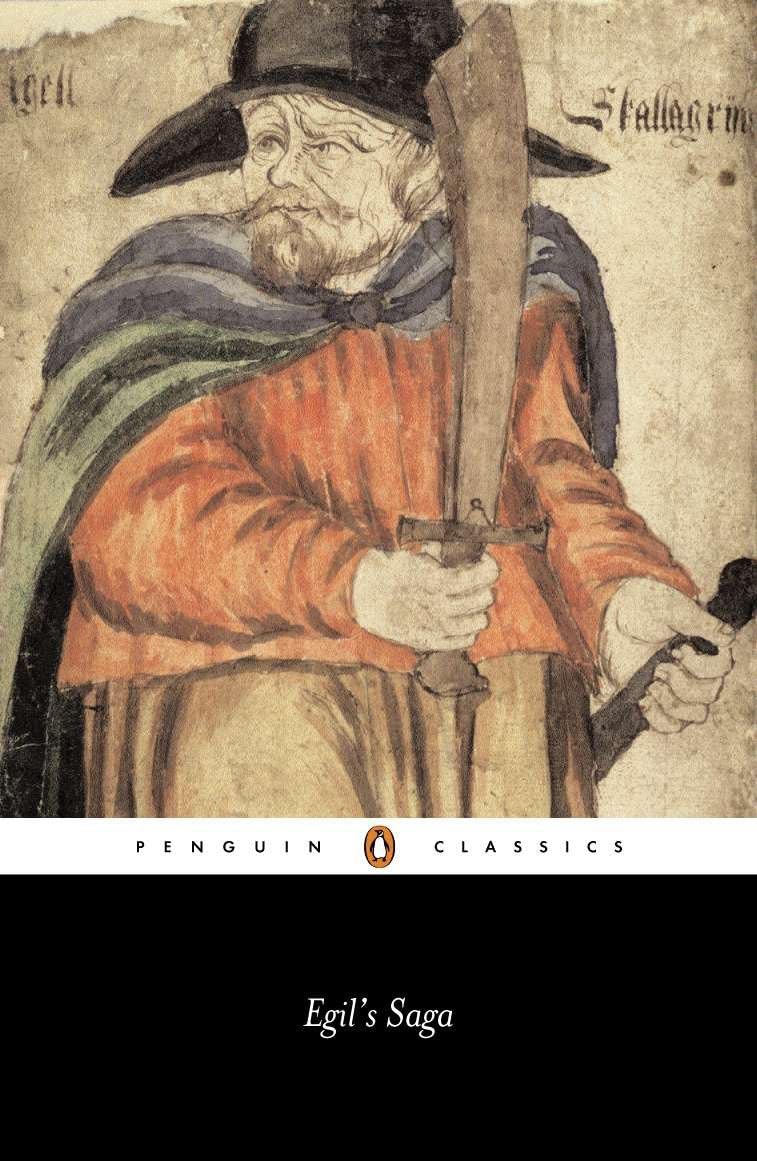
Setting: Iceland, Norway, England, 10th century
Why It’s Essential: Although not modern historical fiction, this classic Icelandic saga about the poet-warrior Egil Skallagrímsson is essential reading for understanding Viking Age literature and its worldview. Egil embodies the contradictions of the fierce Viking warrior and the subtle poet, the loyal friend and the dangerous enemy. Multiple modern translations make this medieval text accessible.
What Makes It Special: Reading an actual saga provides context for modern Viking fiction. Egil’s Saga’s matter-of-fact violence, emphasis on honor and revenge, poetry woven throughout, and complex characterization influenced every Viking novel on this list. Understanding saga tradition deepens appreciation for how modern authors adapt these storytelling approaches.
Perfect For: Serious Viking Age enthusiasts, readers interested in primary sources, those wanting to understand saga influence on modern fiction, and anyone seeking an authentic Viking worldview.
9. Sworn Sword by James Aitcheson
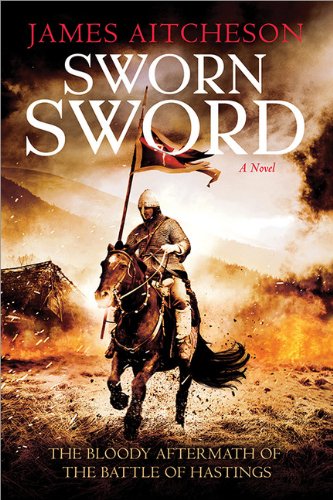
Setting: England, 1066-1070 (Norman Conquest)
Why It’s Essential: While focused on the Norman conquest aftermath, this series features significant Viking/Norse elements as the last major Viking invasion (Harald Hardrada, 1066) directly preceded the Norman conquest. The series examines how Viking/Norse culture persisted in post-conquest England, as well as the complex loyalties that emerged from Norman-Viking-Saxon interactions.
What Makes It Special: Aitcheson places readers in the immediate aftermath of the twilight of the Viking Age, showing how Norse influence persisted even as the era came to a close. His depiction of 11th-century warfare, politics, and cultural collision between Norman, Saxon, and residual Norse elements creates a complex historical tapestry. The protagonist’s conflicted loyalties echo larger cultural shifts.
Perfect for readers interested in the end of the Viking Age, those fascinated by the Norman conquest, fans of political intrigue alongside warfare, and anyone seeking to understand how the Viking Age transitioned into the medieval period.
10. The Pagan Lord by Bernard Cornwell
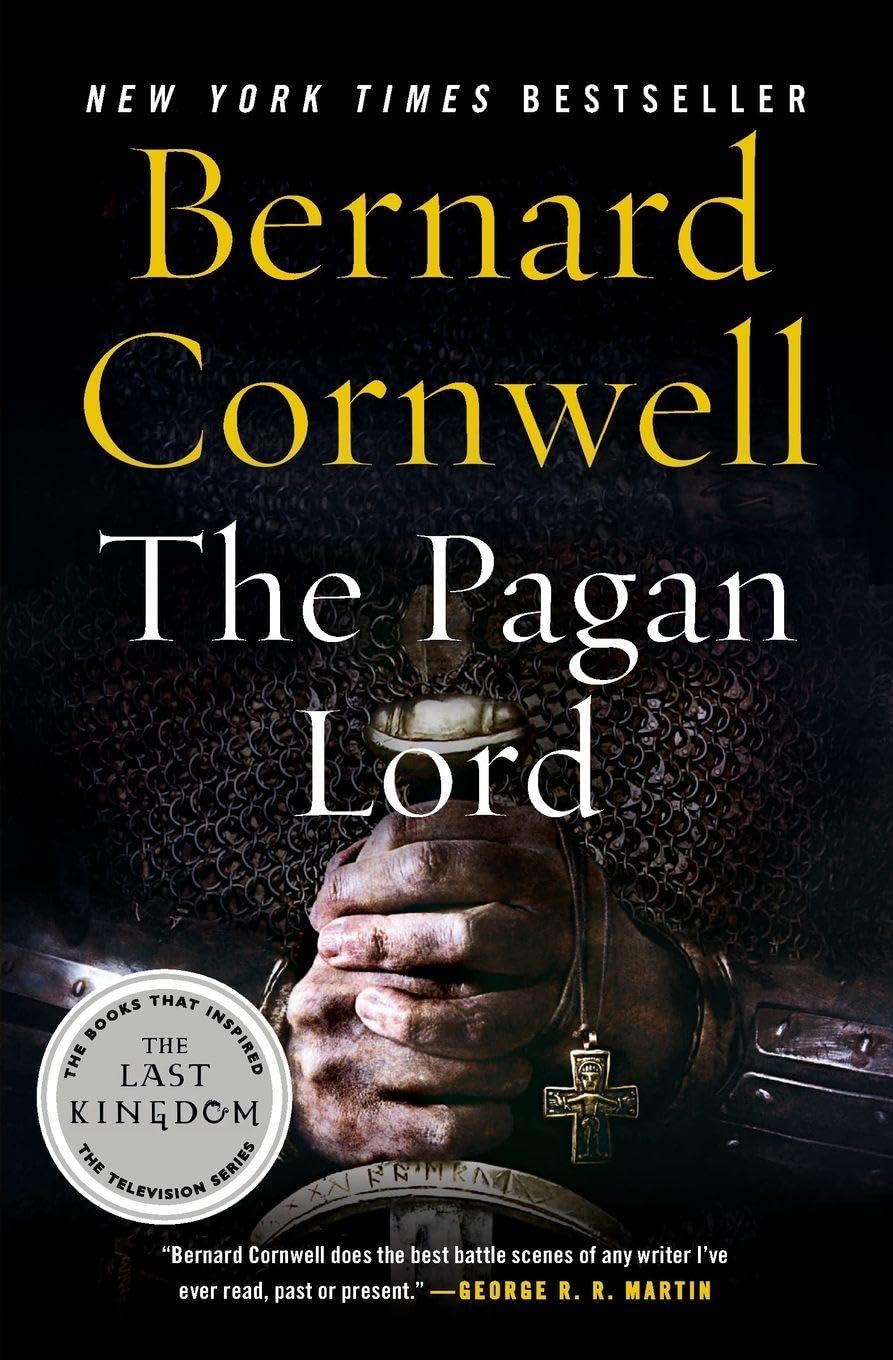
Setting: England, 910s AD (mid-Saxon Stories series)
Why It’s Essential: The seventh Saxon Stories novel represents the series’ mature phase, with older Uhtred navigating increasingly complex political and religious tensions. While the entire series merits reading, The Pagan Lord particularly explores the synthesis of Viking and Saxon cultures and the tension between Uhtred’s pagan loyalties and the dominance of Christian England.
What Makes It Special: By mid-series, Cornwell fully explores themes of cultural collision, religious transformation, and an aging warrior confronting changing times. Uhtred’s pagan beliefs grow increasingly out of place in Christianizing England, creating poignant tension. The novel demonstrates how series fiction enables deep character development that is impossible in standalones.
Perfect For: Saxon Stories fans who’ve read earlier books, those interested in cultural/religious transformation, readers who appreciate character development across series, and anyone fascinated by how Viking Age England became medieval England.
11. Winter’s Fire by Giles Kristian
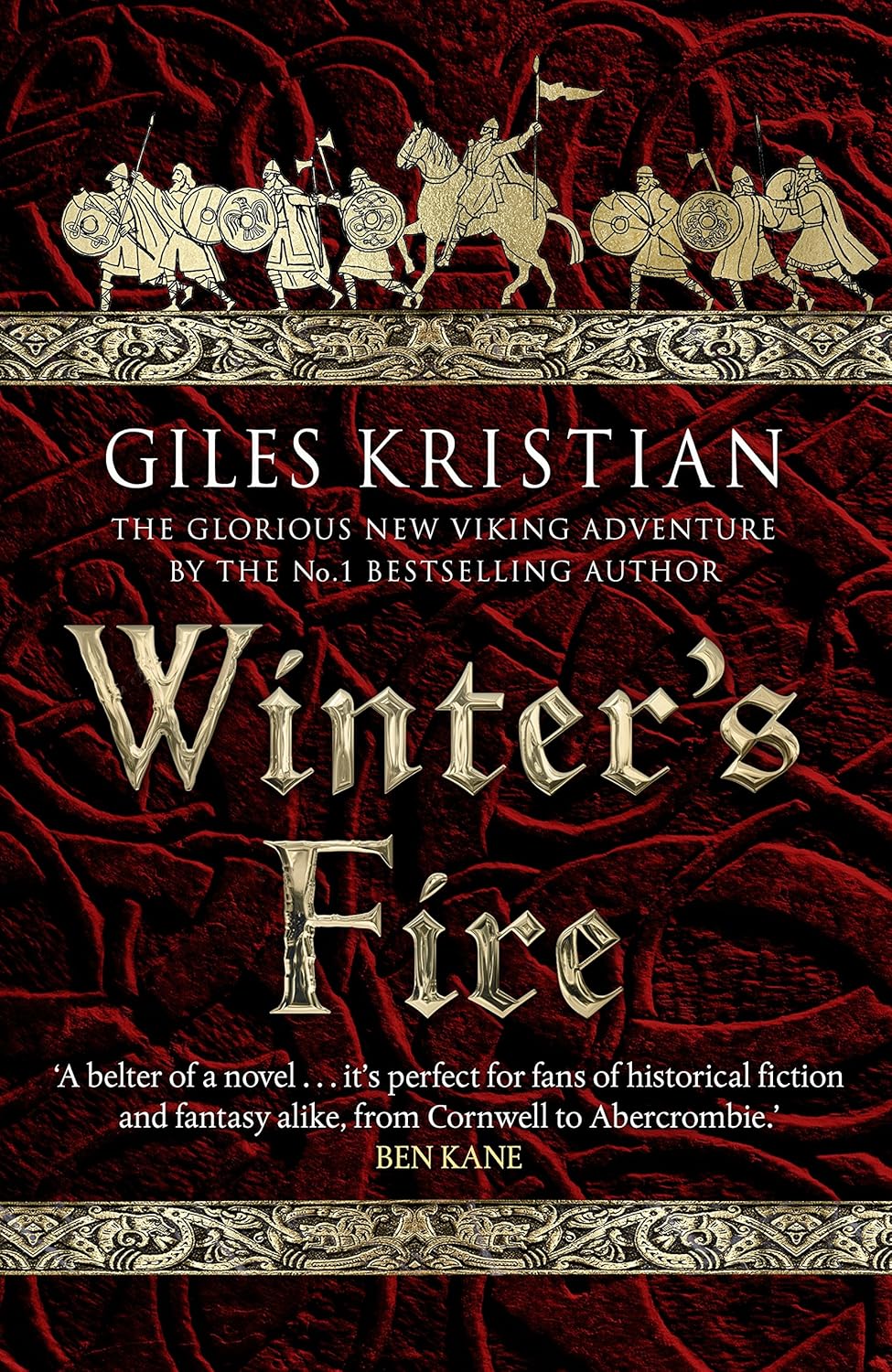
Setting: England, circa 877 AD
Why It’s Essential: The second installment in the Rise of Sigurd trilogy, this novel follows Sigurd’s fellowship as they navigate betrayal, warfare, and the quest for vengeance in Viking Age England. Kristian explores themes of loyalty, honor, and the bonds that hold warrior fellowships together even as treachery threatens from within and without.
What Makes It Special: Kristian excels at depicting the Viking warrior fellowship, the oaths, loyalty, and brotherhood that defined Norse warrior bands. Winter’s Fire explores what happens when those bonds are tested by betrayal and ambition. His visceral battle scenes and atmospheric descriptions of Viking Age England create an immersive historical experience.
Perfect For: Fans of Kristian’s other works, readers seeking intense action sequences, those interested in loyalty and betrayal themes, and anyone who values atmospheric historical writing.
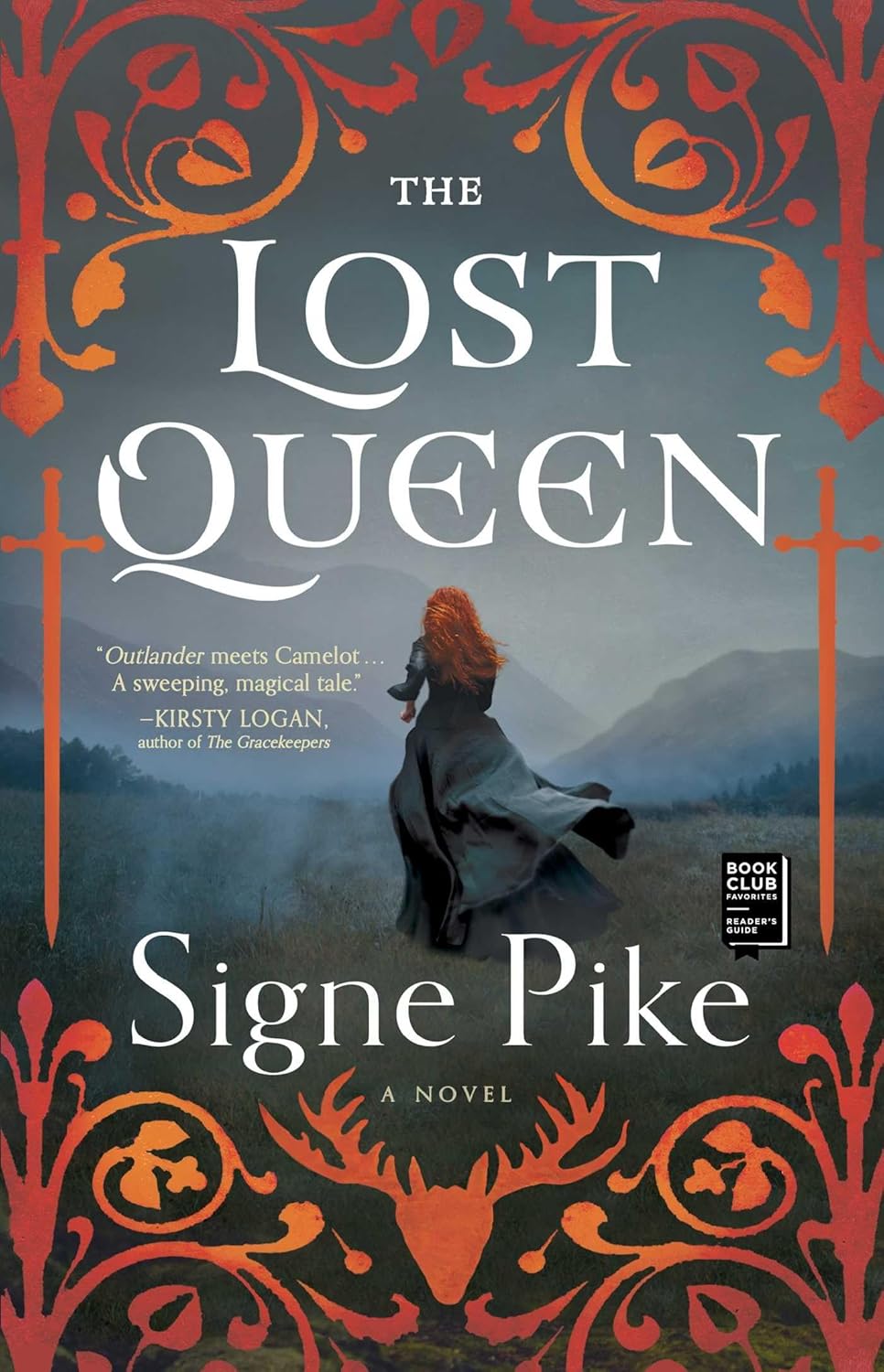
12. The Lost Queen by Signe Pike
Setting: Scotland, 6th century (Dark Ages)
Why It’s Essential: While predating the classic Viking Age, this novel about Languoreth of Strathclyde explores Scotland’s pre-Viking Celtic-Pictish world, setting context for later Norse invasions. The novel combines historical research with elements of Arthurian legend, exploring powerful women in Dark Ages Britain and the cultural landscape that Vikings would later encounter.
What Makes It Special: The Lost Queen offers valuable context for the pre-Viking era in Britain. Understanding the Celtic and Pictish cultures that Vikings raided, traded with, and eventually absorbed enriches appreciation for cultural collision. Pike’s focus on female power and agency provides a perspective often lacking in Viking fiction.
Perfect For: Readers interested in pre-Viking Britain, those seeking strong female protagonists, fans of Celtic history and mythology, and anyone wanting context for Viking-Celtic encounters.
Viking Sub-Genres and Themes to Explore
Viking Raids and Warriors
Classic Viking warfare and raiding:
- Bernard Cornwell’s Saxon Stories (13 books)
- Giles Kristian’s Raven trilogy
- Robert Low’s Oathsworn series (6 books)
Viking Exploration
Norse voyages to Iceland, Greenland, and North America:
- The Sea Road by Margaret Elphinstone
- West with the Vikings by Edison Marshall
- Historical novels about Leif Erikson and the Vinland sagas
Viking Settlement and Politics
Viking state-building and political intrigue:
- Linnea Hartsuyker’s Golden Wolf trilogy
- King Harald’s Saga translated from medieval sources
- Novels about the Danelaw establishment in England
Viking-Byzantine Connections
Norse in the Byzantine Empire and Russia:
- Robert Low’s Oathsworn series (particularly later books)
- The Varangian by Jack Ludlow
- Novels about the Varangian Guard
Norse Mythology Retellings
Mythology-focused Viking fiction:
- The Gospel of Loki by Joanne M. Harris
- Norse Mythology by Neil Gaiman (retelling, not fiction)
- Various Ragnarök and Norse god retellings
Understanding Viking Historical Fiction
Historical Accuracy vs. Popular Mythology
Common Viking myths to watch for:
- Horned helmets: Never worn in battle (ceremonial at best)
- Constant raiding: Vikings were primarily farmers and traders
- Mindless berserkers: While berserkers existed, most Vikings were disciplined warriors
- Barbarian primitives: Vikings had a sophisticated culture, law, and craftsmanship
- All Norse were “Vikings”: “Viking” referred to raiders/seafarers, not ethnicity
The Viking World’s Scope
Vikings ranged far beyond Scandinavia:
- England/Ireland: Raids, Danelaw settlement, Dublin founding
- Francia: Seine River raids, Normandy settlement (Normans = “North-men”)
- Russia: Trade routes, Rus state founding (Viking origin)
- Byzantine Empire: Varangian Guard service, trade
- North America: Vinland settlements (Newfoundland)
- Mediterranean: Raids reaching North Africa and Italy
Timeline of the Viking Age
Understanding the Viking Age’s phases:
- Late 8th century: Early raids begin (Lindisfarne 793)
- 9th century: Major invasions and settlement (Great Heathen Army)
- 10th century: State-building in Scandinavia, continued expansion
- Early 11th century: Viking Age twilight, Christianization
- 1066: Traditional Viking Age end (Stamford Bridge/Hastings)
Sagas vs. Modern Fiction
Understanding Icelandic saga influence:
- Sagas: Medieval narratives, episodic structure, matter-of-fact tone
- Modern fiction: Character psychology, continuous narrative, emotional depth
- Best modern Viking fiction: Borrows the saga structure while adding modern storytelling
Tips for Reading Viking Historical Fiction
Start Accessibly
If new to Viking fiction, begin with accessible novels like The Last Kingdom or The Long Ships before tackling denser saga-inspired works.
Don’t Fear Norse Names
Initial unfamiliarity with Norse names (Thorkell, Sigurd, Ragnar) passes quickly. Many novels include character lists if needed.
Embrace the Violence
The Viking Age was brutal. Authentic Viking fiction doesn’t glorify violence, but it doesn’t shy away from historical reality. If graphic content bothers you, seek lighter Viking fiction.
Explore Beyond England
While Viking-Saxon England is popular, Norse in Russia, Byzantium, and beyond offer fresh perspectives.
Read Some Sagas
Reading one or two Icelandic sagas (like Egil’s Saga or Njal’s Saga) deepens appreciation for how modern authors adapt saga traditions.
Why Viking Historical Fiction Endures
The popularity of the Viking Age stems from multiple factors. Vikings embody adventure, seafaring raiders, explorers of unknown territories, settlers in hostile lands, and elite mercenaries serving in distant empires. Their longships symbolize freedom and exploration.
Norse mythology remains culturally powerful; Odin, Thor, Valhalla, and Ragnarök resonate in popular culture. Viking belief in fate (wyrd), emphasis on honor and reputation, and warrior culture provide archetypal dramatic material.
The Viking Age also represents a cultural collision, as pagan Norse encountered Christian Europe, Scandinavian raiders settled and conquered lands, and Northern warriors served Byzantine emperors. These encounters explore themes of cultural adaptation, religious transformation, and identity.
Furthermore, the Viking Age has had a profound influence on the modern world. The Norse settled in Iceland and Greenland, reached North America, established Normandy (where the Normans conquered England), founded the Russian state of Rus, and shaped British identity. Understanding Vikings means understanding ourselves.
Finally, recent TV series (Vikings, The Last Kingdom, Norsemen) introduced the Viking Age to new audiences, creating demand for novels that offer deeper, more historically grounded experiences than television allows.
Conclusion
Viking historical fiction offers readers adventures across storm-tossed seas, into shield-wall battles, and through the complex honor-based society that produced warriors, poets, explorers, and kings. From Bernard Cornwell’s visceral battle scenes to Margaret Elphinstone’s literary exploration narratives, from Giles Kristian’s pagan brotherhood to Linnea Hartsuyker’s political sophistication, these twelve novels showcase Viking fiction’s remarkable range.
Whether you’re drawn to warfare and raiding, exploration and settlement, mythology and religion, or political intrigue and cultural collision, the Viking Age offers rich material for compelling historical fiction. The Norse weren’t simple raiders; they were farmers, craftsmen, poets, law-speakers, traders, and explorers whose influence shaped medieval Europe and beyond.
Start with The Last Kingdom for action-packed warrior tales, The Sea Road for literary exploration and female perspective, Raven: Blood Eye for gritty Viking brotherhood, or The Long Ships for humorous adventure. Whichever you choose, you’ll discover why the Viking Age continues to captivate readers centuries after the last longship sailed.
The North awaits, oars striking water, sails catching wind, warriors seeking glory, and sagas waiting to be told.
Frequently Asked Questions
What is the best Viking historical fiction book?
The Last Kingdom by Bernard Cornwell is widely considered the best Viking historical fiction novel and series. Its combination of historical accuracy, visceral battle scenes, a complex protagonist torn between Norse and Saxon cultures, and page-turning narrative makes it the perfect introduction to Viking fiction. For a different approach, The Long Ships by Frans Bengtsson offers humorous adventure, while The Sea Road provides a literary female perspective.
Are Bernard Cornwell’s Viking books historically accurate?
Yes, Bernard Cornwell’s Saxon Stories (featuring Vikings extensively) are thoroughly researched and historically accurate regarding warfare, weapons, tactics, major historical events, and cultural details. Cornwell occasionally compresses timelines or creates composite characters for narrative purposes, but his depiction of Viking Age England, shield-wall combat, and Norse-Saxon interactions is considered highly authentic by historians.
Did Vikings really wear horned helmets?
No, Vikings never wore horned helmets in battle. This myth originated in 19th-century Romantic art and Wagner’s operas. Actual Viking helmets were simple iron spangenhelms with nose guards, designed primarily for protection rather than decoration. Good Viking historical fiction depicts accurate helmets; horned helmets indicate poor research or intentional fantasy elements.
What’s the difference between Vikings and Norse?
“Norse” refers to the Scandinavian people, language, and culture of the Viking Age. The term “Viking” specifically referred to seafaring raiders or the act of raiding (to “go viking”). Not all Norse people were Vikings; most were farmers, craftsmen, and traders who did not engage in raiding. Modern usage often conflates the terms, but technically, “Norse” is the broader cultural term, while “Viking” is more specific.
Can you recommend Viking fiction with strong female characters?
Yes: The Sea Road by Margaret Elphinstone (a female explorer), Linnea Hartsuyker’s Golden Wolf trilogy (Svanhild as co-protagonist), and The Half-Drowned King feature a significant female perspective, as do various historical novels about shield-maidens (though their historical reality is debated). Many Viking novels include strong female characters, even when male warriors are protagonists.
Is Giles Kristian’s Viking fiction suitable for all readers?
Giles Kristian’s Viking novels contain graphic violence, battle gore, sexual content, and pagan religious practices, including blood sacrifice. The writing is visceral and intense. Suitable for adults and older teenagers who are comfortable with historical violence, but not recommended for younger readers or those seeking gentler historical fiction. Kristian doesn’t glorify violence but depicts the Viking Age authentically.
What order should I read Bernard Cornwell’s Viking books?
Read Bernard Cornwell’s Saxon Stories in publication order, starting with The Last Kingdom. The series follows the protagonist, Uhtred, chronologically through his life, with each novel building upon the previous ones. While each has a complete arc, character development, relationships, and historical progression require reading in order. The complete series comprises 13 books, spanning from The Last Kingdom to War Lord.
How did Vikings reach North America?
Vikings reached North America (Vinland) via Iceland and Greenland around 1000 AD. Norse explorers like Leif Erikson established temporary settlements in Newfoundland (confirmed by the L’Anse aux Meadows archaeological site). They didn’t establish permanent colonies due to distance, resource challenges, and conflicts with indigenous peoples. Novels like The Sea Road fictionalize these voyages based on Icelandic saga accounts.


